Why fine motor activities for preschoolers aids development
What do writing your name, buttoning and unbuttoning your shirt, and making biscuits all have in common?
They’re all fine motor skills.
And why are they important? Well, because you depend on them for using tools and to function in life. You need to learn how to eat and work to survive and the more you practice these skills and hit the fine motor milestones, the better they develop – much like riding a bike.
Developing fine motor skills in preschool is vital, even as early as the first year of life because fine motor skills during early childhood education depend on gross motor skills like body movements, i.e. walking, sitting, etc. These fine motor skills milestones allow a person to enhance their motor skill and become an expert in the field in which they’re finely tuned.
In this article, we talk about why fine motor activities for preschoolers aids developmental milestones as well as offer screen-free examples of fine motor skills activities for kids so you can help your preschooler enhance their early childhood development. The more your preschooler practices these fundamental skills, the better they become and the more competent they will be functioning and even excelling in adulthood – and that’s what it’s all for, right?
Let’s start at the beginning. What are gross motor skills?
Gross motor skills are those skills we use to develop our whole body so we can move. The more children practice coordinating their whole body movements, the more confident, agile and flexible they become.
Children should become confident in their gross motor skills because they are essential for developing fine motor skills.
What are fine motor skills?
Fine motor skills work with the brain and the nervous system to exercise the small muscles and control hand, finger, lip, tongue and eye movement. Developing fine motor skills helps children eat with a knife and fork for example, write, get dressed and enhance object manipulation. If a child is on the screens for too long, this may impair their fine motor skill development, so it’s important to limit screen time where possible. You can help your child balance their screen time by using a reward chart to encourage them to make wise choices and reward them for their hard work.
Why are fine motor skills important?
Studies show that fine motor skill development depends on the development of gross motor skills, so children need to be exposed to opportunities where they can develop both and become confident in exploring the world around them.
What are some fine motor skills examples?
Fine motor skills involve the use of small muscles in the hands and fingers to perform tasks that require precision and dexterity. Here are some screen-free examples and resources of how to improve fine motor skills for preschoolers:
- Writing, drawing, and colouring
- Using scissors to cut paper
- Buttoning and zipping clothing (using fasteners, buttons and zippers)
- Tying shoelaces
- Using utensils to eat
- Playing musical instruments
- Building with blocks or Legos to build fine motor skill development
- Using a computer mouse or keyboard
- Threading beads onto a string
- Sewing and knitting
These are just a few examples of the many fine motor skills that are involved in your child’s daily life. Fine motor skills can be improved through fine motor practice and various activities. We will go through some of the best ways to improve fine motor skills for preschoolers below.
Fun and helpful fine motor activities for preschoolers – Hand strengthening activities for kids

For the rest of the article, I will offer some examples of fine motor skills your preschooler can practice at home or out and about, starting with hand strengthening activities.
Here are some hand strengthening activities for kids:
Playdough
Kids can squeeze, pinch, and mould playdough to help build hand fine motor strength. You can make playdough with ingredients you have in your house, so it becomes a free screen-free activity!
Finger painting
This activity helps improve finger dexterity and hand-eye coordination.
Using tongs or tweezers
Have kids use tongs or tweezers to pick up small objects, like cotton balls or beads.
Squeezing a ball
Squeezing a ball, such as a stress ball, can help build hand and finger strength.
Lacing and beading
These activities involve fine motor skills to thread beads onto a string or lace up a shoe.
Playing with putty
Similar to playdough, putty can be squeezed, pinched, and moulded to build hand strength.
Using scissors
Cutting paper or other materials with scissors can help improve hand strength and coordination.
Playing with building blocks
Manipulating building blocks can help improve hand-eye coordination and fine motor skills.
Playing with Legos
This First-Bricks LEGO building set* is perfect for preschoolers
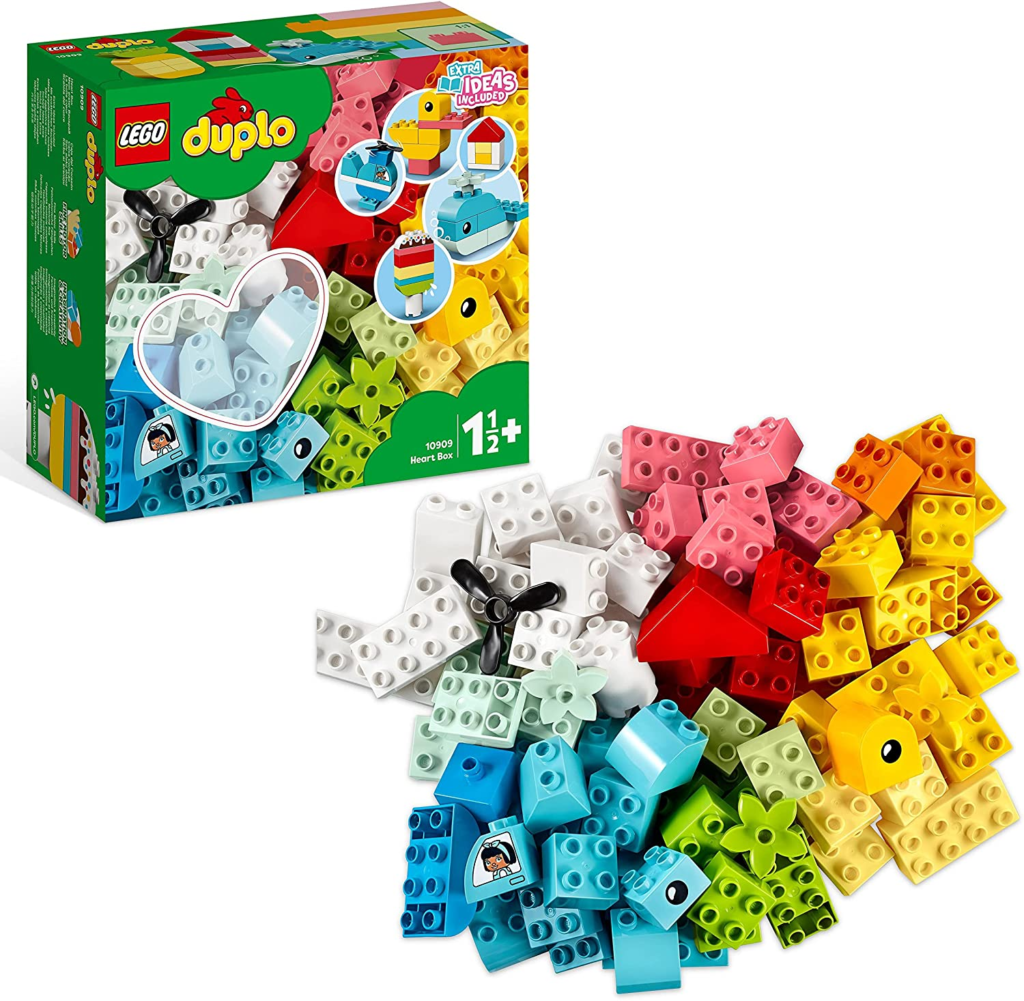
LEGO 10909 DUPLO Classic Heart Box, First Bricks Building Toy, Educational Activity and Development Set, Early Learning Toys for Toddlers 1.5-3 Years Old. Buy from Amazon here*
Building with Legos requires precise hand movements and can help improve hand strength.
Tearing paper
Tearing paper into small pieces can help build hand strength and improve fine motor skills.
Favourite fine motor activities for preschoolers – Playdough activities for fine motor skills
Using playdough is a great way for preschoolers to develop their fine motor skills. Activities can include rolling the dough into balls, snakes or shapes, poking it with fingers, using cookie cutters or creating sculptures.cccc
Grab a megapack of 36 Playdough cans exclusive to Amazon here*
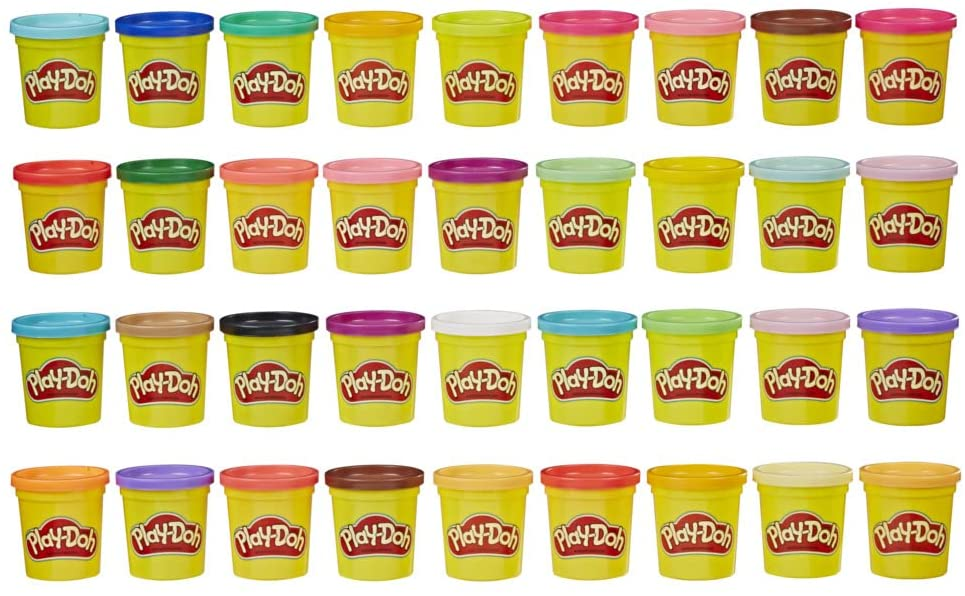
Play-Doh 36-Can Mega Pack of Non-Toxic Modelling Compound, 3-Ounce Cans – Amazon Exclusive. Buy from Amazon here*
Here are some playdough activities for fine motor skills:
Roll playdough into small balls
Kids can use their fingertips to roll playdough into small balls. This helps improve finger dexterity.
Make playdough snakes
Kids can use their hands to roll playdough into long, thin snakes. This activity helps improve hand-eye coordination and finger strength.
Flatten playdough with a rolling pin
Rolling out playdough with a rolling pin requires hand strength and hand-eye coordination.
Create playdough imprints
Kids can press various objects, like leaves or cookie cutters, into the playdough to make imprints. This activity helps develop hand strength and fine motor skills.
Cut playdough with scissors
Using scissors to cut playdough requires hand strength and coordination.
Use playdough cutters
Kids can use various cutters to create different shapes out of playdough. This activity helps improve hand-eye coordination and fine motor skills.
Add small objects to playdough
Kids can add small objects, like beads or buttons, to the playdough and manipulate them with their fingers. This helps improve finger dexterity and fine motor skills.
Create 3D playdough sculptures
Encourage kids to use their imaginations to create three-dimensional playdough sculptures. This activity requires hand strength and hand-eye coordination.
Make playdough letters and numbers
Kids can use playdough to make letters and numbers, which helps improve fine motor skills and letter/number recognition.
Playdough sensory bin
Fill a bin with playdough and various small objects for kids to manipulate with their fingers. This activity helps develop sensory skills and fine motor skills.
Block play activities for fine motor development
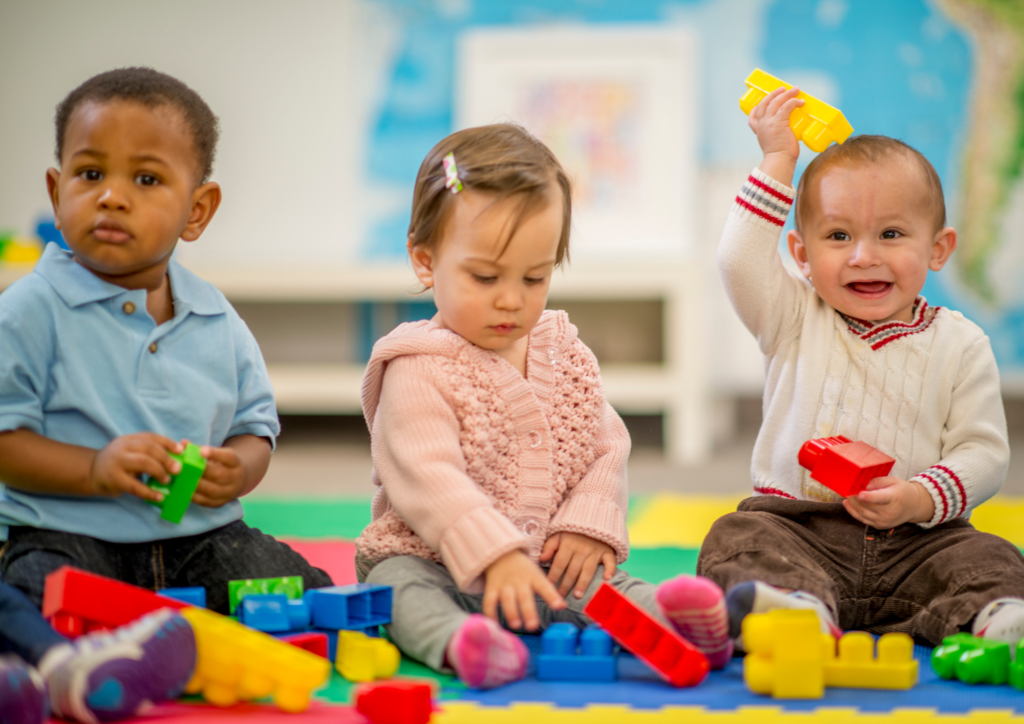
Block play activities are excellent for fine motor development in children. Here are some block play activities that can help children develop their fine motor skills:
Sorting and stacking
Encourage your child to sort blocks by size, shape, colour, and texture. They can also stack blocks to build towers, which will help develop their hand-eye coordination and hand dexterity.
Building structures
Encourage your child to use blocks to build different structures such as houses, bridges, and towers. This activity helps your child develop their problem-solving skills and improves their hand-eye coordination.
Creating patterns
Ask your child to create patterns with blocks. For example, they can create a pattern of red, blue, red, blue blocks. This activity helps your child develop their visual discrimination skills and improves their fine motor skills.
Tearing paper to create landscapes
Encourage your child to tear up coloured paper and glue it onto blocks to create landscapes. This activity helps children develop their fine motor skills and their creativity.
Tracing and drawing
Encourage your child to trace the outlines of blocks and draw their own designs. This activity helps your child develop their hand-eye coordination and improve their fine motor skills.
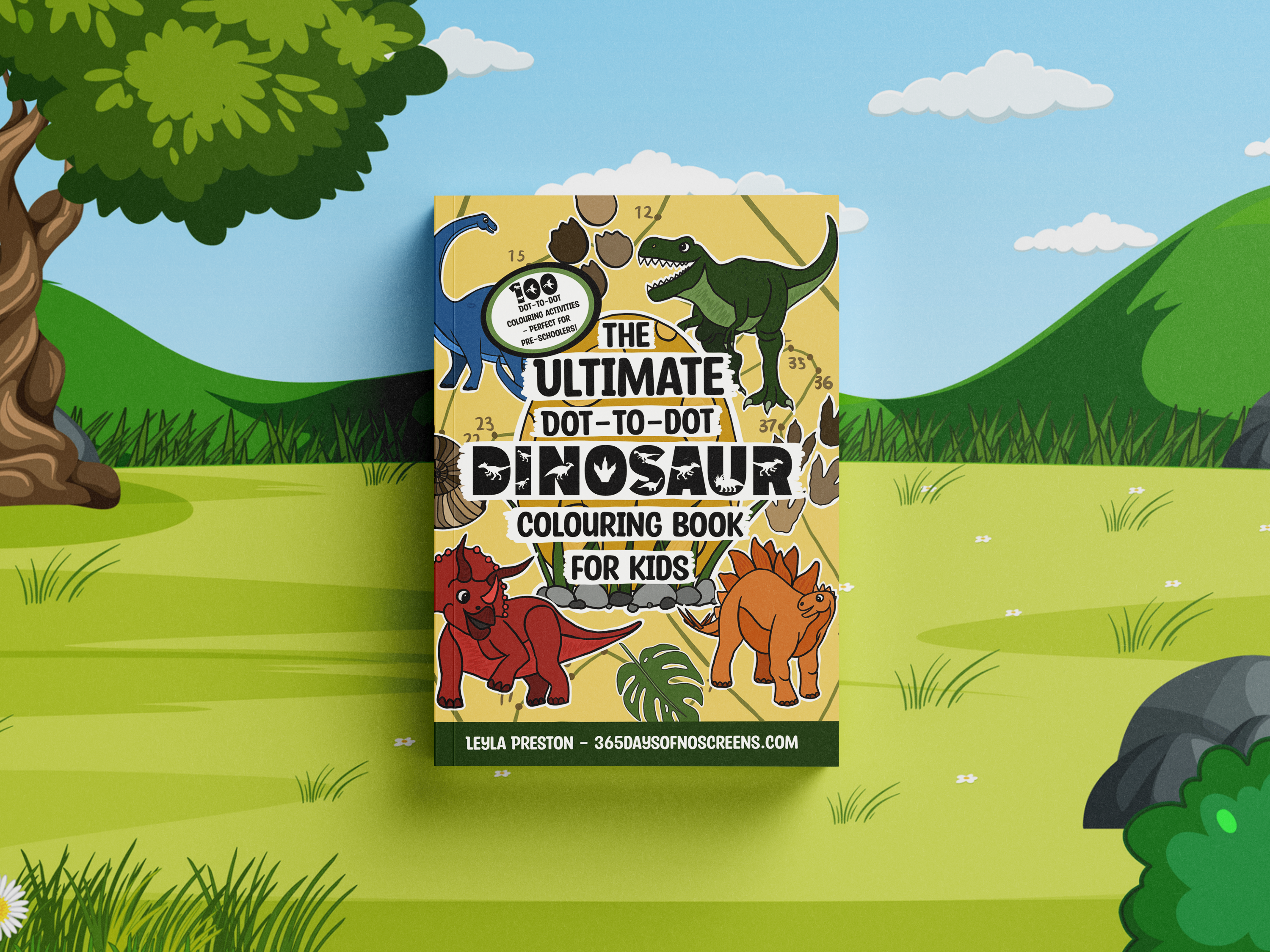
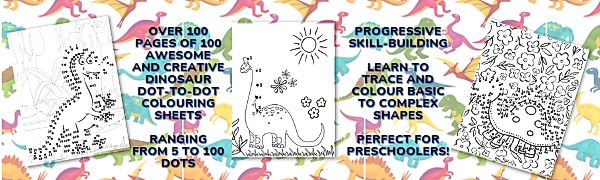
Try the below Dinosaur dot-to-dot colouring book*, which is perfect for preschoolers and offers 100 dot-to-dot colouring activities ranging from 5 to 100 dots to help develop your child’s pincer grip and handwriting and tracing skills.
Try the below Dinosaur dot-to-dot colouring book*, which is perfect for preschoolers and offers 100 dot-to-dot colouring activities ranging from 5 to 100 dots to help develop your child’s pincer grip and handwriting and tracing skills.
Click here or the images below to be taken to the Amazon page to buy the book*
Carving and sculpting
Provide your child with soft blocks of clay or playdough and encourage them to carve and sculpt the clay into different shapes and designs. This activity helps your child develop their fine motor skills and their creativity.
Remember, when engaging in block play activities, always supervise your child to ensure their safety.
Amazing fine motor activities for kids – Fine motor painting activities

The benefits of painting are limitless and encourages children to develop multiple skills to help them achieve success in life. Painting allows children to express their creative side and keep an open mind when looking at situations in the world. Painting can also allow children to expand on their imagination and create a world in which only they are a participant. Painting is also a great way to express emotion if kids are unable to vocalise their stress and anxiety. You can learn a lot from a child by what they paint onto paper.
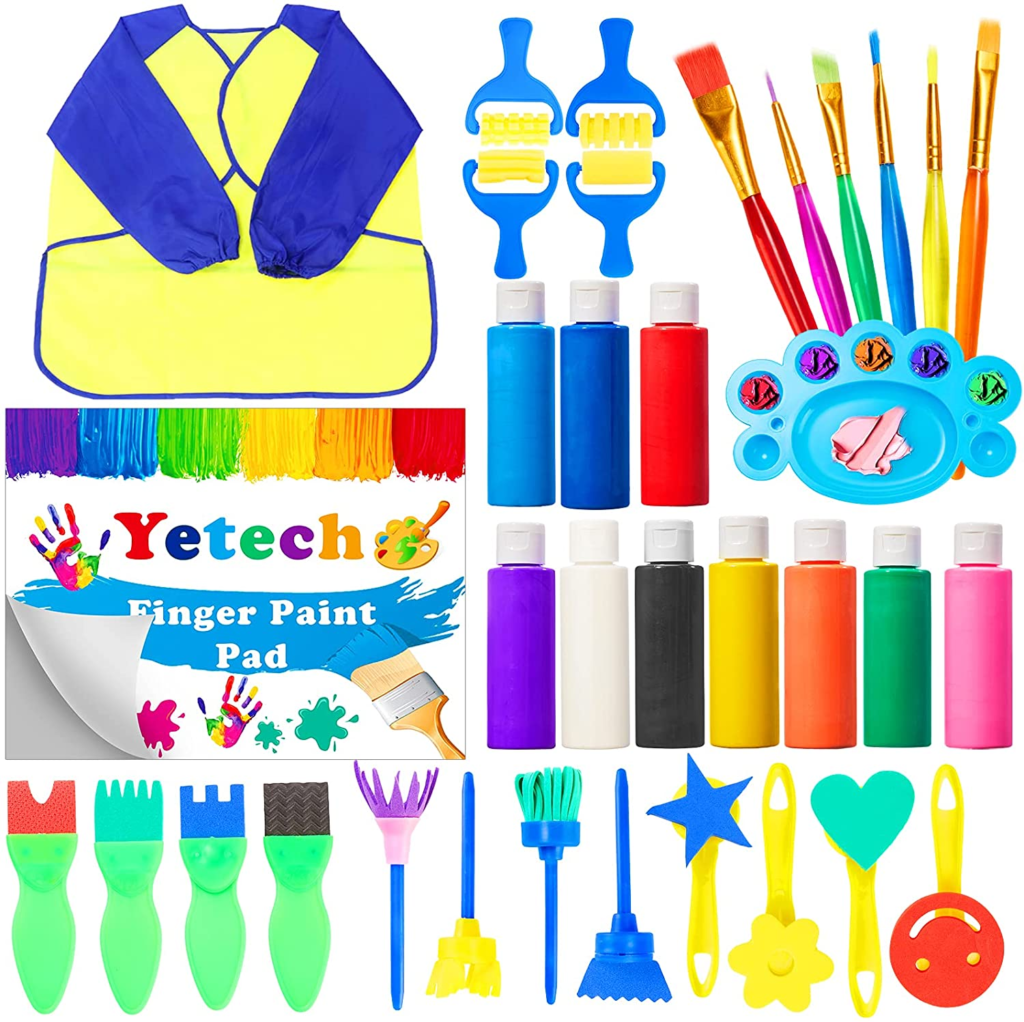
As with any arty project, there are a few things you’ll need to get started. It’s advisable to start children off with things like acrylic paints, rather than watercolours or oil paints for example. Acrylic is the best paint for kids, as they’re much easier to work with, have brighter colours, and they tend to be a bit cheaper, too.
Invest in a few good kids paint brushes with different thicknesses so your little ones can experiment with different strokes and effects on the page. Teach them how to look after them by washing them thoroughly, drying them slightly with a cloth and then letting them dry naturally. You can get kitted out with all the paints you need and some decent brushes online at sites like Artifolk which is useful.
You also definitely won’t want to forget things like a kid’s artist’s apron to stop their clothes from getting ruined, and things like wipe-able table cloths and sheets to protect your floor, too.
This epic paint set* will get your preschooler started with painting in no time!
Experiment painting different things

Experiment painting different things
Kids love having free reign to paint whatever pops into their imaginations which is of course fantastic, but if you want to give them a bit of guidance and help them develop their skills further, it may be a good idea to give them things to paint. Here are a few easy painting ideas for kids:
Canvas painting for kids
You can come up with all sorts of canvas painting ideas for kids for fun fine motor skill development. Have a look around the house for some fun things to paint and then set up simple still life drawings. Fruit works really well for example, or head outside and paint nature items. You could even have them paint their siblings to develop not only their skills but their interest in art, too.
Paint by numbers for kids
Paint by numbers are a brilliant way to teach kids how to follow a step-by-step plan to achieve a colourful painting afterwards. Kids get a ready-to-use kit, complete with the colours required for the painting and kids learn as they paint, sticking to the specified colour for each number. Paint by numbers also builds confidence as the finished product almost always looks pretty great. But, don’t be upset if they paint outside the lines – it’s a learning process and one which you should make fun for them to try.
Hand painting for kids
Hand painting is great for much younger kids too and has many developmental, creative and educational benefits. Hand painting encourages fast brain development from a very early age and improves sensory stimulation. Children can also develop fine motor skills and strengthen finger and small hand muscles through hand painting, but it’s important not to focus here on what the finished product looks like, but more on the process of hand painting.
Finger painting ideas
Just like hand painting, finger painting comes with all sorts of educational and creative benefits. Encourage children to experiment with their fingers and use their fingers to develop a painting with lots of colour and texture. For example, they can paint leaves on a tree with their fingers, or create little snowflakes. Finger painting, like hand painting, will help children learn about colour, shape and spatial relationships. So, don’t worry about the mess, just let them play!
Get your free screen-free calendar and access a screen-free activity every day for a year!
Teach them about colours and mixing them
As well as developing their actual painting skills, you could always talk about how certain colours are created by showing them what colours mix with others to make new ones. This will be really useful and it’s something they’ll cover in art class at school as well, so it’d be great to get them started early. Check out the colour wheel below which shows kids the primary colours and how they mix to make new colours.
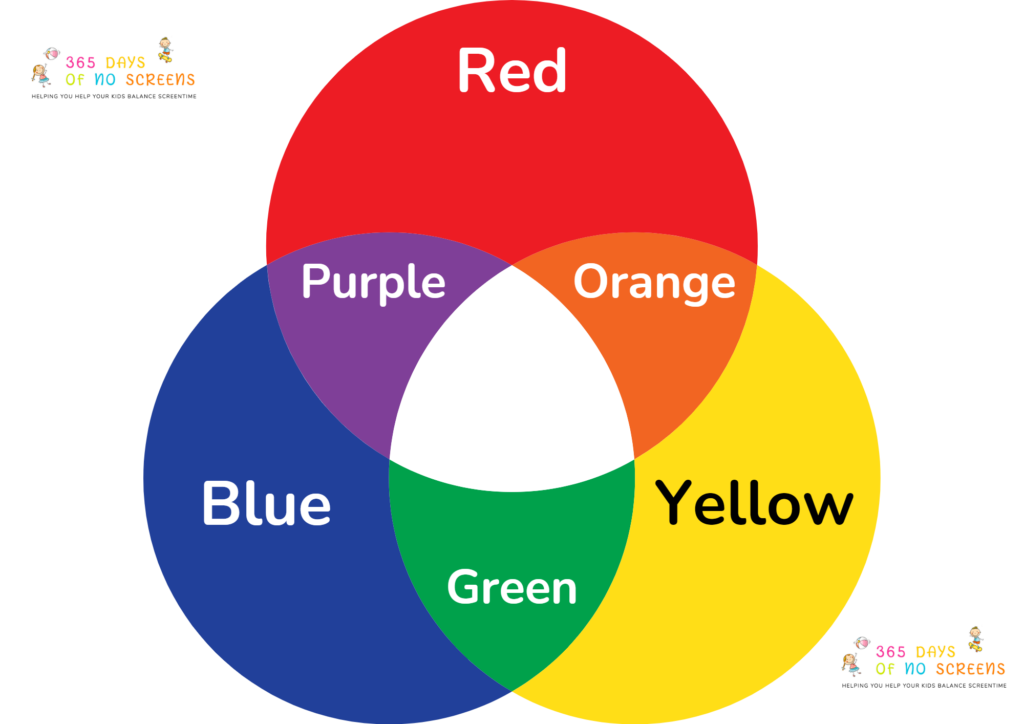
Painting with kids can become less relaxing when there’s mess everywhere (we’re sure even Picasso’s mum probably lost her rag at times) but it’s important just to go with it and have fun. There will be a lot of mess, but you could encourage them to help you clean up too to show them it’s all part of the process. Aim to make that part as fun as possible if you can, so tidying up doesn’t become too much of a chore that kids will start to identify with art.
Here are some other fine motor painting activities that you can do with children:
Q-tip painting
Dip the cotton tip of a Q-tip into paint and use it to create dots or lines on paper. This activity helps children develop their fine motor skills and their hand dexterity.
Sponge painting
Cut a sponge into different shapes and dip them into paint. Use the sponges to create patterns and designs on paper. This activity helps children develop their fine motor skills and their creativity.
Straw painting
Dip a straw into paint and blow air through it onto the paper to create designs. This activity helps children develop their fine motor skills and their hand-eye coordination.
Sticker painting
Stick different stickers onto paper and then paint over them. Once the paint is dry, peel off the stickers to reveal the design. This activity helps children develop their fine motor skills and their creativity.
Marble painting
Place a sheet of paper in a shallow box, put a few drops of paint onto the paper, and then drop in a few marbles. Tilt the box to move the marbles around and create a design. This activity helps children develop their fine motor skills and their hand-eye coordination.
Remember to always supervise children when engaging in painting activities and use washable paint to ensure easy cleanup.
Fine motor skills activities with clothespins / clothes pegs
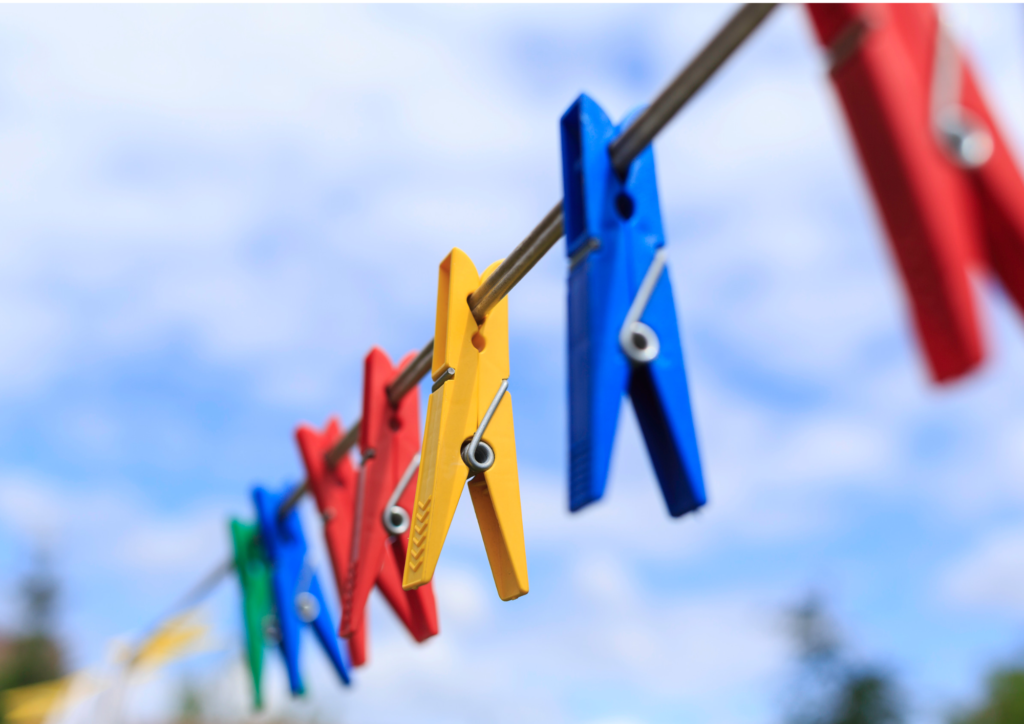
Using clothes pegs in fine motor skills activities can help children develop their hand-eye coordination, finger strength, and dexterity. Here are some activities that you can do with clothespins:
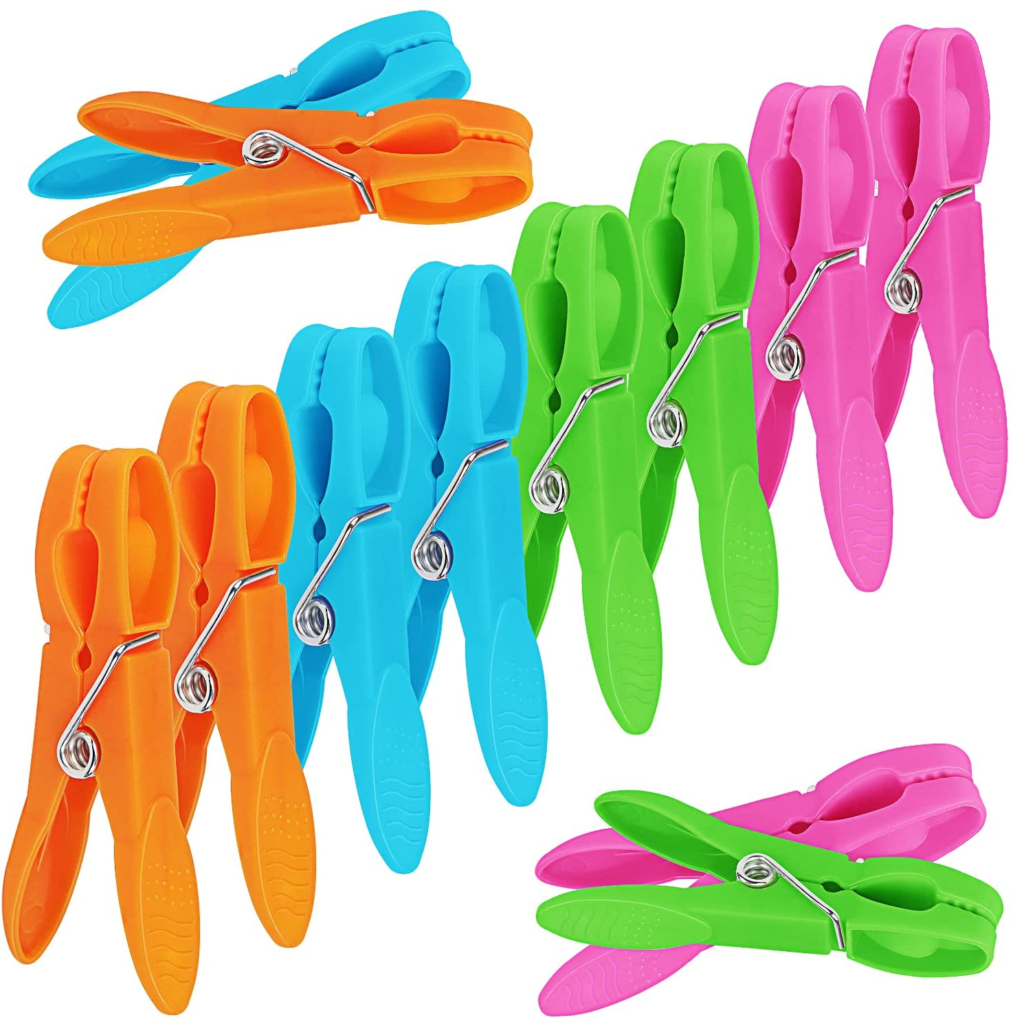
Grab these very inexpensive clothes pegs* to start the fine motor skill fun!
Pinching pom-poms
Encourage children to use clothes pegs to pick up and pinch small pom-poms. This activity helps children develop their pincer grip, which is important for holding and using writing tools.
Sorting objects
Provide a tray of small objects such as beads or buttons and ask children to use clothes pegs to sort them by colour or size. This activity helps children develop their sorting skills and hand-eye coordination.
Hanging clothes
Set up a clothesline or string and provide children with small pieces of fabric or felt. Encourage them to use clothes pegs to hang the fabric onto the line. This activity helps children develop their hand-eye coordination and finger strength.
Letter recognition
Write letters on small pieces of paper and ask children to use clothes pegs to match the letters to a corresponding letter card. This activity helps children develop their letter recognition skills and hand-eye coordination.
Number recognition
Write numbers on small pieces of paper and ask children to use clothes pegs to match the numbers to a corresponding number card. This activity helps children develop their number recognition skills and hand-eye coordination.
Making patterns
Provide children with coloured clothes pegs and ask them to create patterns by clipping the clothespins onto a string or ribbon. This activity helps children develop their pattern recognition skills and hand-eye coordination.
Remember to always supervise children when using clothes pegs to ensure their safety. Additionally, some children may find clothes pegs challenging to use at first, so offer support and encouragement as they develop their fine motor skills.
Fine motor activities with pipe cleaners
Using pipe cleaners in fine motor activities can help children develop their hand-eye coordination, finger strength, and dexterity. Here are some activities that you can do with pipe cleaners:
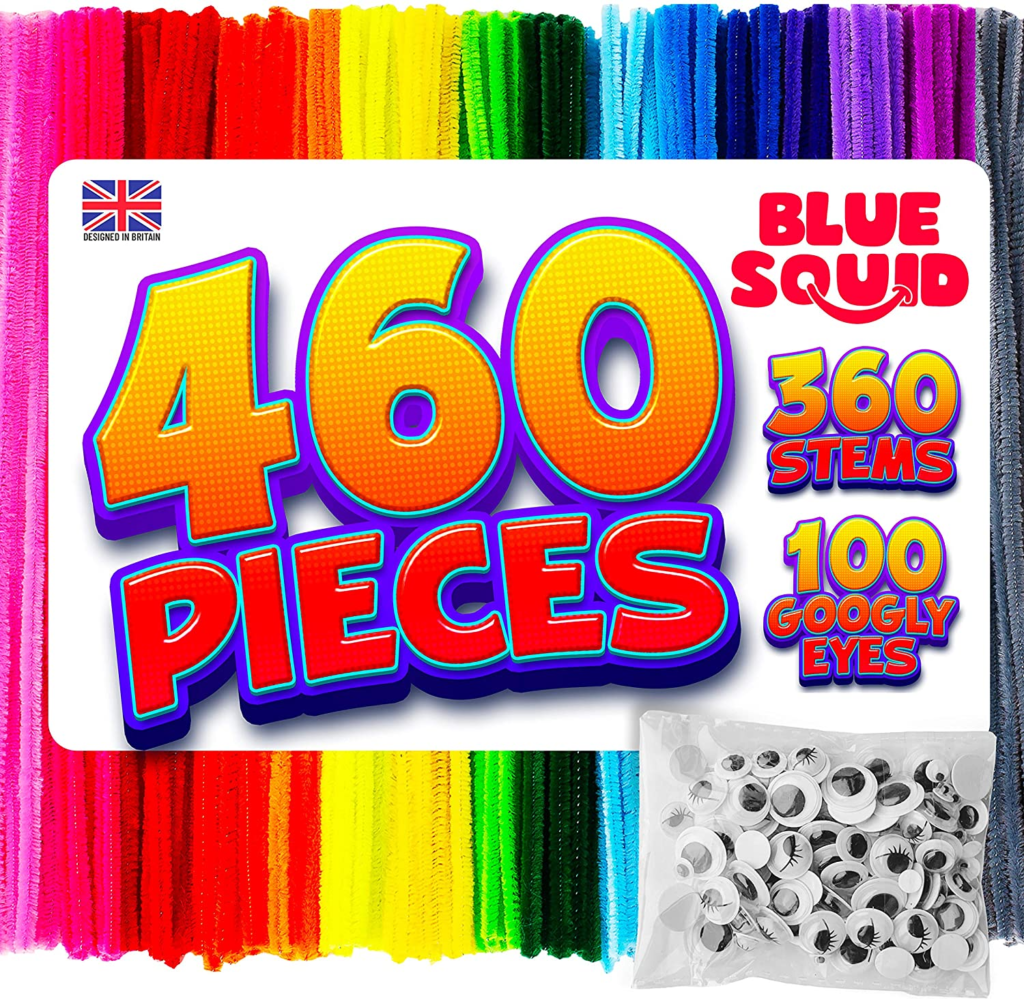
Grab a whopping 360 pipe cleaners here* to get started with the pipe cleaner fun!
Beading
Provide children with pipe cleaners and a tray of small beads. Encourage them to thread the beads onto the pipe cleaners to create necklaces or bracelets. This activity helps children develop their hand-eye coordination, finger strength, and creativity.
Sculpting
Provide children with pipe cleaners and encourage them to bend and twist them into different shapes and designs. This activity helps children develop their fine motor skills and their creativity.
Tracing shapes
Use pipe cleaners to trace different shapes such as circles, triangles, and squares onto paper. This activity helps children develop their hand-eye coordination and their fine motor skills.
Letters and numbers
Use pipe cleaners to form letters and numbers and encourage children to trace them with their fingers. This activity helps children develop their letter and number recognition skills and their fine motor skills.
Puzzles
Cut out simple shapes from cardboard and poke holes around the edges. Provide children with pipe cleaners and encourage them to thread them through the holes to create the shape. This activity helps children develop their hand-eye coordination, finger strength, and problem-solving skills.
Painting
Dip pipe cleaners into paint and use them to create designs and patterns on paper. This activity helps children develop their fine motor skills and their creativity.
Remember to always supervise children when using pipe cleaners to ensure their safety. Additionally, some children may find pipe cleaners challenging to use at first, so offer support and encouragement as they develop their fine motor skills.
Fine motor activities using office supplies

You can even encourage your preschooler’s fine motor skills by using items around the home or office. Here are some examples of fine motor activities using office supplies:
Provide your preschooler with lots of stationery fun with this stationery set* (minus the pushpins!)
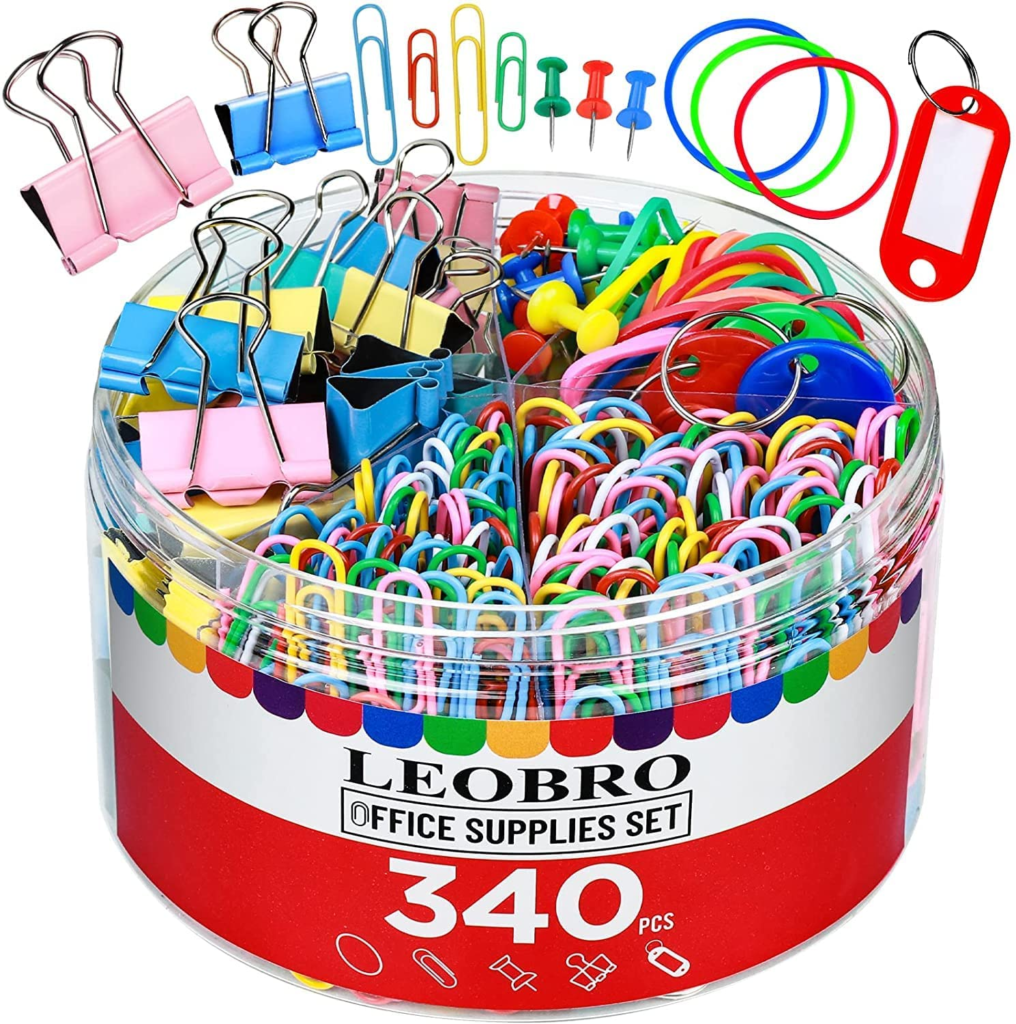
340PCS Binder Clips Paper Clips, LEOBRO Office Clips Set, 150PCS Paperclips, 34PCS Binder Clips Paper Clamps, 80PCS Rubber Bands, 70PCS Push Pins Thumb. Buy from Amazon here*
Paperclip chain
Give your child a bowl of paperclips and encourage them to make a chain by linking them together.
Pencil/Pen spinning
Encourage your child to practice spinning a pencil or pen between their fingers. This activity helps to improve dexterity and hand-eye coordination.
Hole punching
Use a single hole puncher to create confetti or punch holes in a sheet of paper. This activity strengthens hand muscles and improves hand-eye coordination.
Rubber band ball
Challenge your child to create a rubber band ball by wrapping rubber bands around a small ball. This activity improves hand strength and coordination.
Staple art
Use a stapler to create a picture or design. Your child can practice stapling and manipulating the stapler to create their artwork.
Scissor skills
Use scissors to cut out shapes, designs or even confetti. This activity improves hand-eye coordination, scissor skills and hand strength.
Paper folding
Use paper to make origami shapes, fortune tellers or paper airplanes. This activity helps to improve fine motor skills, hand-eye coordination and creativity.
Beading
Use paper clips or safety pins to create beaded necklaces or bracelets. This activity improves hand-eye coordination, dexterity and creativity.
Tape art
Use coloured tape to create artwork, designs or patterns. Your child can practice manipulating the tape and cutting it to create their masterpiece.
Keyboarding
Have your child practice typing on a computer keyboard. This activity improves hand-eye coordination, dexterity and typing skills.
Fine motor activities for preschoolers – Hand sewing
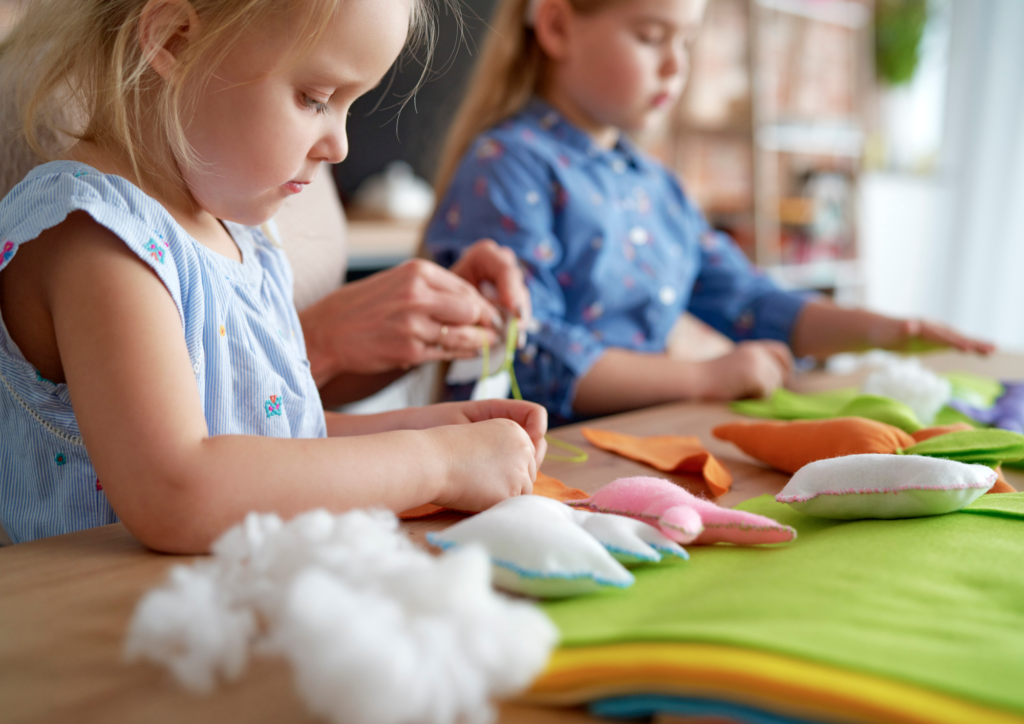
Below are some great preschool cutting activities that pair perfectly with sewing:
Sewing a button
Teach your child to sew a button onto a piece of fabric. This activity helps to develop fine motor skills, hand-eye coordination, and patience.
Embroidery
Provide your child with a piece of fabric and an embroidery hoop. Teach them basic embroidery stitches such as the backstitch or the running stitch. This activity improves hand-eye coordination, fine motor skills and creativity.
Felt sewing
Provide your child with a few felt pieces and a needle and thread. Teach them to sew the pieces together to create a simple stuffed animal or ornament. This activity improves fine motor skills and creativity.
Cross-stitch
Cross-stitching is a simple and fun hand-sewing activity for kids. Provide your child with a pattern and a piece of fabric, and teach them to stitch the pattern onto the fabric. This activity improves fine motor skills, hand-eye coordination, and creativity.
Sewing a pencil case
Provide your child with a simple pencil case pattern and some fabric. Teach them to cut out the pattern, pin it to the fabric, and sew it together. This activity improves fine motor skills, hand-eye coordination, and patience.
Sewing a drawstring bag
Teach your child to sew a drawstring bag. This activity involves cutting the fabric, pinning it together, and sewing it to create a bag with a drawstring closure. This activity improves fine motor skills, hand-eye coordination, and patience.
Applique
Applique is a fun and creative hand-sewing activity for kids. Provide your child with a piece of fabric and some felt shapes. Teach them to sew the felt shapes onto the fabric to create a fun design. This activity improves fine motor skills, hand-eye coordination, and creativity.
Quilting
Quilting is a more advanced hand-sewing activity, but it can be fun for kids who are up for the challenge. Provide your child with a simple quilting pattern, some fabric, and a needle and thread. Teach them to sew the pieces of fabric together to create a quilt. This activity improves fine motor skills, hand-eye coordination, and patience.
Playing with tweezers
Preschoolers can use plastic tweezers to pick up and transfer small objects such as pom-poms or small beads to develop their pincer grasp and hand strength.
Threading Activities – Fine motor skills for preschoolers
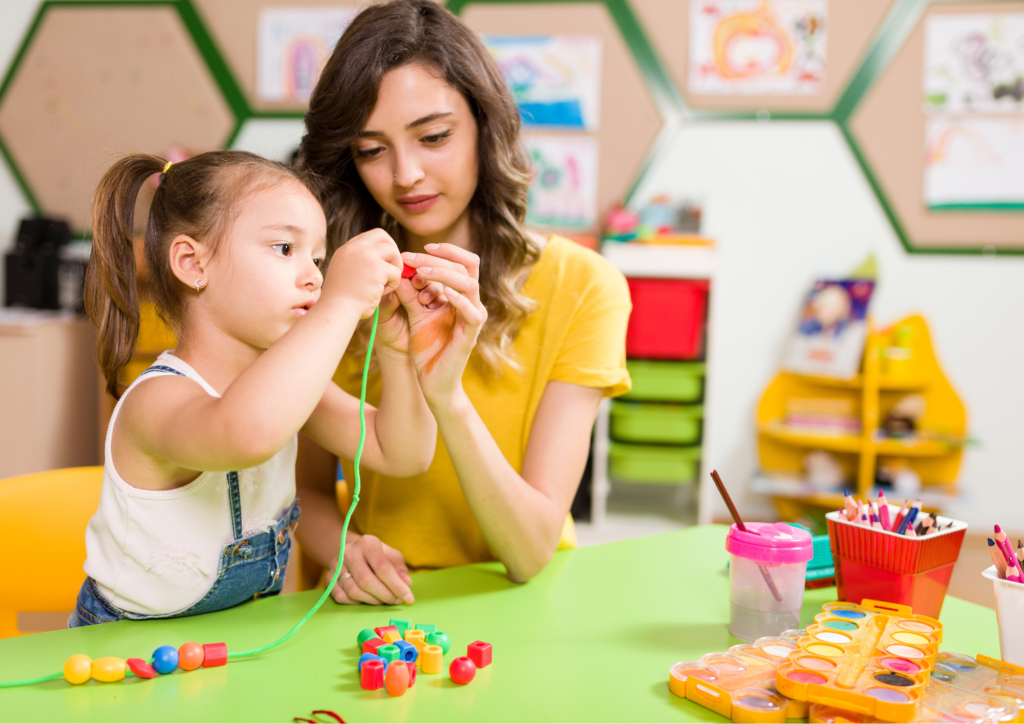
Provide your preschooler with a shoelace or string and encourage them to thread cheerios or cereal, pasta or even buttons on it. This activity helps improve hand-eye coordination, finger strength, and dexterity.
Try this inexpensive lacing/threading activity* to introduce your preschooler to sewing.
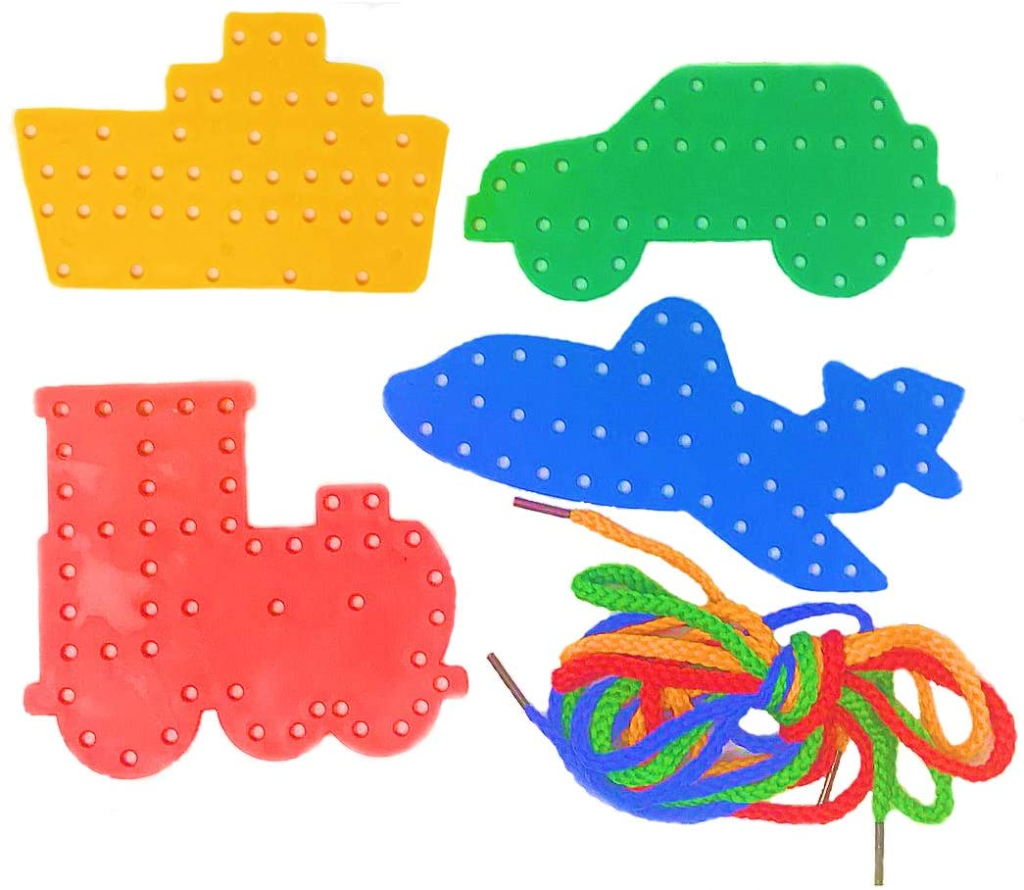
Kids B Crafty 4 Transport Lacing Shapes, Fine Motor Skills Toys, Threading Toys, Early Learning, Threading Toddler Toy, Drawing Templates. Buy from Amazon here*
Stringing beads
Give your preschooler a string and a variety of beads of different sizes and shapes to create their own necklace or bracelet. This activity helps improve hand-eye coordination, finger strength, and dexterity.
Fine motor strengthening activities with water
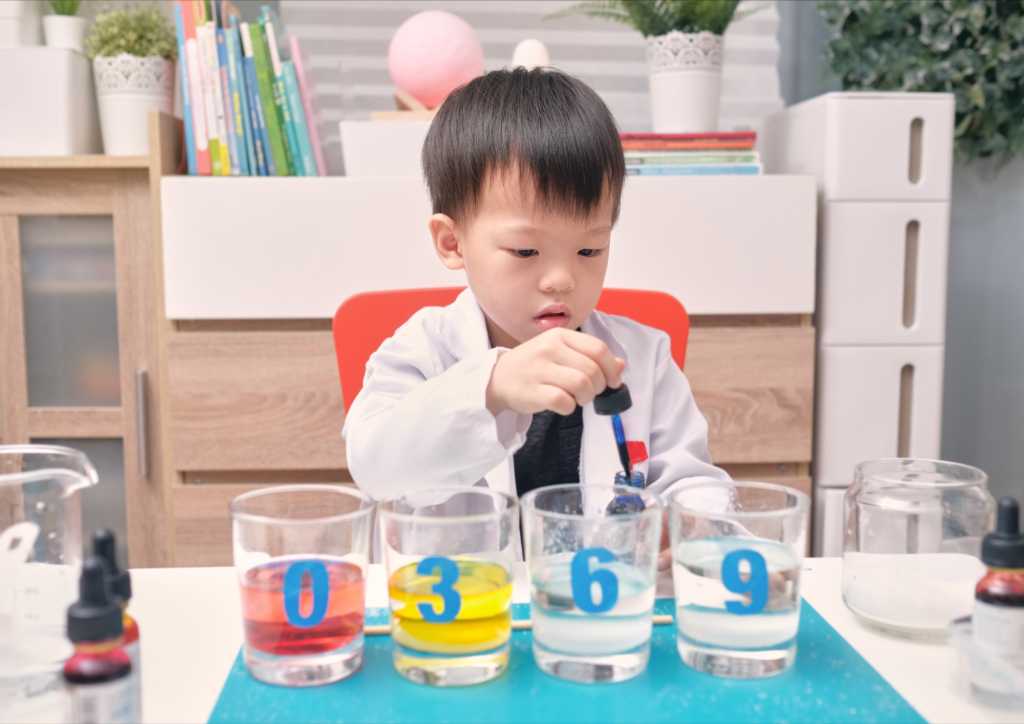
Water play activities can be a fun and effective way to develop fine motor skills in children. Water Play Activities can include:
Fine motor skill development – Daily activities – Water play activities -Pouring and transferring
Fill a basin with water and provide cups, bowls, spoons, and other containers of varying sizes. Encourage the child to pour water from one container to another and transfer objects from one container to another.
Water painting
Provide your child with a bucket of water and a paintbrush. Encourage them to “paint” designs or pictures on a sidewalk or patio using the water. This activity improves fine motor skills and creativity.
Squeezing sponges
Fill a bucket or sink with water and provide your child with sponges. Encourage them to squeeze the water out of the sponge and back into the bucket. This activity helps to strengthen hand muscles.
Bubble play
Fill a basin with water and provide dish soap. Encourage the child to create bubbles by blowing into the water or using a bubble wand.
Water beads
Water beads are small, squishy beads that expand when soaked in water. Provide your child with a bowl of water beads and encourage them to pick them up and squeeze them. This activity improves hand strength and dexterity.
Fishing
Fill a basin with water and add magnetic fishing toys. Encourage the child to use the fishing rod to catch the toys.
Spray bottles
Provide spray bottles filled with water. Encourage the child to spray the water onto targets such as plants, rocks, or walls.
Water dropper
Provide your child with an eye dropper or pipette and a cup of water. Encourage them to use the dropper to transfer water from the cup to another container. This activity improves hand-eye coordination and fine motor skills for preschoolers.
Water bottle squeeze
Fill a plastic water bottle with water and provide your child with the bottle. Encourage them to squeeze the bottle to squirt the water out. This activity strengthens hand muscles.
Pouring water
Provide your child with a pitcher or jug of water and a few cups. Encourage them to pour the water from the pitcher into the cups. This activity improves hand-eye coordination and fine motor skills for preschoolers.
Water balloon squeeze
Fill a water balloon with water and provide your child with the balloon. Encourage them to squeeze the ballon to feel the water moving inside. This activity strengthens hand muscles.
Water play with toys
Provide your child with small plastic toys such as boats, sea creatures or rubber ducks, and encourage them to play with them in a bowl or sink of water. This activity improves hand-eye coordination and creativity.
Ice cube transfer
Freeze small objects in an ice cube tray, such as marbles or beads, into ice cubes. Provide your child with a bowl of warm water and a slotted spoon. Encourage them to transfer the ice cubes from the bowl of cold water to the bowl of warm water using the slotted spoon. This activity improves hand-eye coordination and fine motor skills.
Water balloon catch
Fill a water balloon with water and play a game of catch with your child. This activity improves hand-eye coordination and strengthens hand muscles.
Writing with chalk or dry-erase Markers
Using chalk or dry-erase markers to write and draw on chalkboards, whiteboards or even on the pavement helps preschoolers develop their hand-eye coordination, grip strength, and wrist control.
Writing with chalk or dry-erase markers can be a great way to develop fine motor skills in children and even adults. Here are some ways in which these activities can benefit fine motor development:
Try these chalk erase markers* which are wipeable for blackboard, chalkboard, window, glass, signs and mirrors!
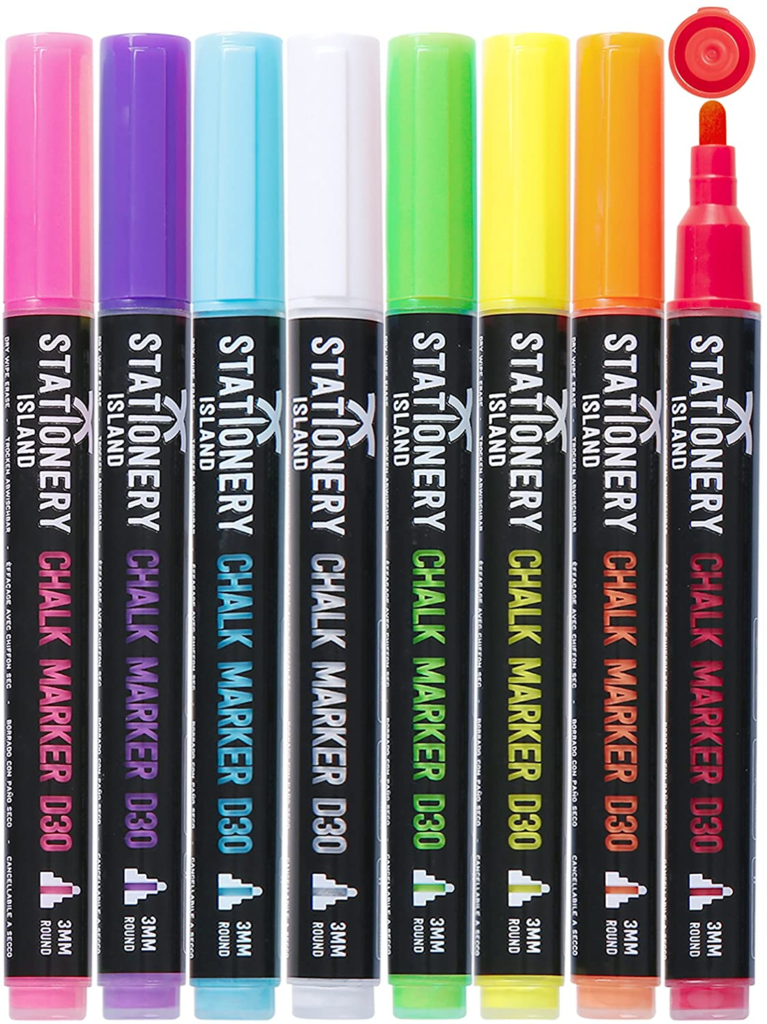
STATIONERY ISLAND Liquid Chalk Pens Markers for Whiteboard Dry Erase Chalk Marker Pens Wipeable for Blackboard, Chalkboard, Window, Glass, Signs and Mirrors… Buy from Amazon here*
Improving hand-eye coordination
Writing with chalk or dry-erase markers requires the writer to coordinate their hand movements with their eye movements. This helps to develop hand-eye coordination, which is an essential skill for many everyday tasks.
Strengthening hand muscles
Writing with chalk or dry-erase markers requires the use of fine motor muscles in the hand and wrist. These muscles can be strengthened with regular practice, leading to improved hand dexterity and control.
Developing grip strength
Writing with chalk or dry-erase markers can also help to develop grip strength. This is particularly beneficial for younger children who are still developing their grip strength and may struggle with holding a pencil or pen.
Everyday fine motor activities for preschoolers – Practicing writing skills
Writing with chalk or dry-erase markers can also provide an opportunity to practice writing skills in a low-pressure environment. This can help to build confidence and improve handwriting.
Overall, writing with chalk or dry-erase markers can be a fun and effective way to develop fine motor skills. These activities can be incorporated into daily routines or used as a part of occupational therapy sessions.
Puzzles and maniuplatives
Puzzles, building blocks, and other manipulatives like shape sorters help develop fine motor skills while also enhancing problem-solving and spatial reasoning abilities.
Here are some puzzles and manipulatives that are specifically designed to help preschoolers develop their fine motor skills:
Large pegboards
Large pegboards are designed to be easy for little hands to grip and manipulate. Children can use them to create various patterns and designs, which helps develop their fine motor skills and hand-eye coordination.
Play-Doh sets
Play-Doh sets come with various moulds and tools that children can use to create different shapes and objects. This activity helps develop their finger strength and dexterity.
Lacing cards
Lacing cards come in a variety of themes and designs and require children to thread a string through the holes. This activity helps develop their hand-eye coordination and fine motor skills.
Wooden puzzles
Wooden puzzles with large knobs are perfect for preschoolers. They’re easy to grip and manipulate, and children can use them to learn about shapes, colours, and animals.
Stacking blocks
Stacking blocks require children to use their fine motor skills to carefully stack and balance the blocks. This activity helps develop their hand-eye coordination and spatial awareness.
Snap beads
Snap beads are easy to snap together and take apart, which helps develop children’s fine motor skills and finger strength.
Sorting games
Sorting games that require children to sort objects by size, colour, or shape are a great way to develop their fine motor skills and hand-eye coordination.
Threading beads
Threading beads onto a string requires precise finger movements and hand-eye coordination. This activity helps develop their fine motor skills and concentration.
Magnetic tiles
Magnetic tiles are easy to connect and stack, which helps develop children’s fine motor skills and creativity.
Overall, these puzzles and manipulatives are a fun and engaging way to help preschoolers develop their fine motor skills, which will benefit them in many aspects of their daily lives.
Cutting and gluing
Provide child-friendly scissors and a glue stick and encourage your preschooler to cut and paste shapes, letters or images to create their own art or crafts. This activity helps develop hand strength, hand-eye coordination, and dexterity.
Cutting and gluing activities are great for developing fine motor skills in preschoolers. Here are some ideas for cutting and gluing activities:
Cutting with safety scissors
Give preschoolers safety scissors and encourage them to cut out simple shapes or patterns. This activity helps develop their hand-eye coordination and finger strength.
Tearing paper
Give preschoolers paper and encourage them to tear it into small pieces. This activity helps develop their hand strength and finger dexterity.
Collage-making
Give preschoolers a variety of materials, such as tissue paper, construction paper, stickers, and glue, and let them create a collage. This activity helps develop their creativity, hand-eye coordination, and fine motor skills.
Gluing
Give preschoolers a variety of materials to glue onto paper, such as cotton balls, feathers, and sequins. This activity helps develop their fine motor skills and creativity.
Paper cutting projects
Provide preschoolers with templates for simple paper projects, such as animals or flowers, and encourage them to cut out the shapes. This activity helps develop their fine motor skills and creativity.
Play dough cutting
Provide preschoolers with play dough and plastic knives, and encourage them to cut out simple shapes or patterns. This activity helps develop their hand-eye coordination and finger strength.
Remember to always supervise preschoolers during cutting and gluing activities to ensure their safety. Encourage them to take their time and praise their efforts. These activities not only help develop their fine motor skills but also promote creativity and imagination.
Fine motor skills activities with pool noodles
Pool noodles can be a fun and versatile tool for developing fine motor skills in children. Pool Noodle Activities can include:
Cutting
Use scissors to cut the pool noodle into smaller sections. Encourage the child to use child-friendly scissors to practice their cutting skills.
Lacing
Cut the pool noodle into small, round sections and poke holes in them. Provide shoelaces or string and encourage the child to lace the pieces together.
Sorting
Cut the pool noodle into different shapes and colours. Encourage the child to sort the pieces by colour, shape, or size.
Stacking
Cut the pool noodle into different lengths and encourage the child to stack them to create towers or structures.
Puzzles
Cut the pool noodle into different shapes and sizes and create a puzzle for the child to solve.
Threading
Cut the pool noodle into different lengths and provide pipe cleaners or string. Encourage the child to thread the pipe cleaners or string through the pieces.
Squishing
Cut the pool noodle into small sections and provide tongs or chopsticks. Encourage the child to pick up the pieces and squish them with the tongs or chopsticks.
These activities can help develop hand-eye coordination, finger strength, and dexterity in young children. Plus, pool noodles are inexpensive and can be used in a variety of ways to keep children engaged and motivated.
Try these pool noodles* for some preschool noodle fun!
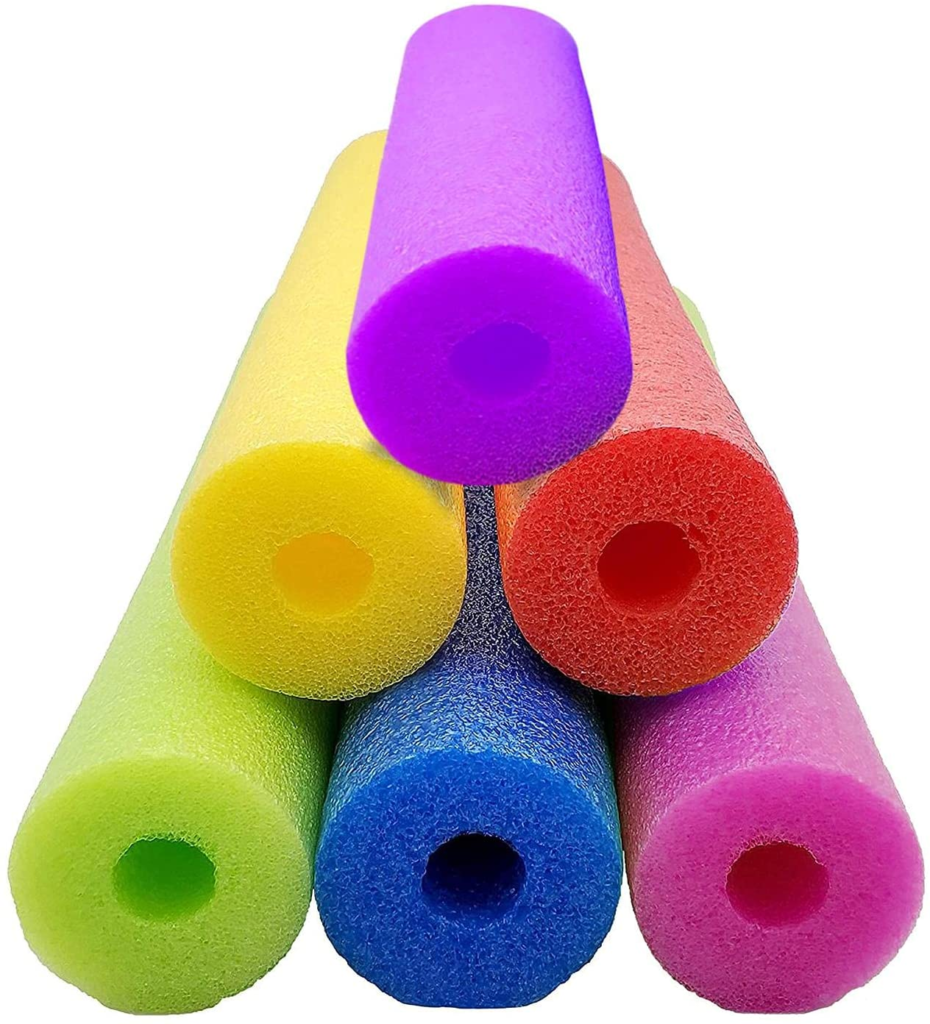
JINGLING 6 Pcs Pool Noodles 60 Inch Durable Hollow Foam Pool Swim Noodles, Foam Hollow Swimming Sticks Pool Float Sticks EPE Swabs Swim Sticks Children Toys. Buy from Amazon here*
Valentine’s fine motor activities for preschoolers
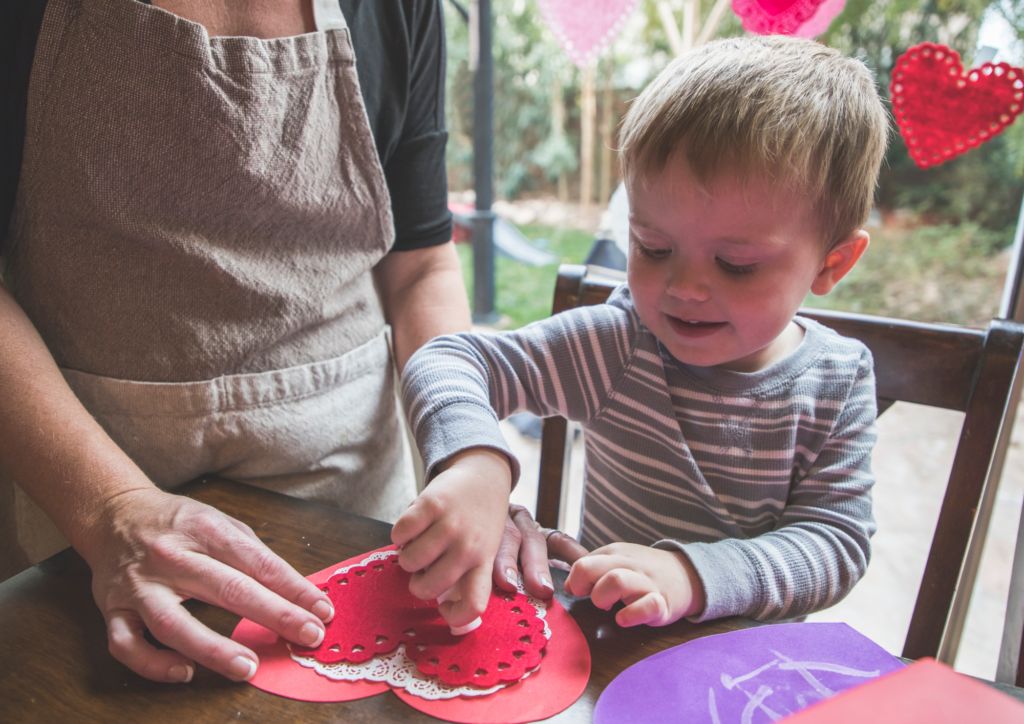
Valentine’s Day is a great opportunity to engage children in fun and creative activities that can also help develop their fine motor skills. Here are some ideas for Valentine’s Day fine motor activities for preschoolers:
Heart shaped beading
Provide a variety of coloured beads and a pipe cleaner. Encourage children to thread the beads onto the pipe cleaner to create heart-shaped decorations.
Card making
Provide paper, scissors, glue, and decorations such as stickers, sequins, and glitter. Encourage children to create their own Valentine’s Day cards.
Playdough hearts
Make homemade playdough and provide heart-shaped cookie cutters. Encourage children to roll out the dough and cut out heart shapes. They can then use the dough to create Valentine’s Day decorations or gifts.
Heart tissue paper collage
Provide tissue paper squares and a heart-shaped template. Encourage children to glue the tissue paper onto the heart template to create a colourful collage.
Heart lacing
Cut out large hearts from construction paper and punch holes around the edges. Provide shoelaces or string and encourage children to thread them through the holes to create a laced heart decoration.
Heart stamping
Provide heart-shaped stamps and paint. Encourage children to stamp hearts onto paper to create Valentine’s Day artwork.
Cutting practice
Provide heart-shaped templates and child-friendly scissors. Encourage children to practice their cutting skills by cutting out the heart shapes.
These activities can help develop hand-eye coordination, finger strength, and dexterity in young children, while also fostering creativity and a love for Valentine’s Day.
Spring fine motor activities for preschoolers
Spring is a great time to engage children in fun and creative activities that can help develop their fine motor skills. Here are some ideas for Spring fine motor activities for preschoolers:
Flower beading
Provide a variety of coloured beads and pipe cleaners or string. Encourage children to thread the beads onto the pipe cleaners or string to create flower-shaped decorations.
Garden sensory bin
Fill a large bin with soil, rocks, and fake flowers. Provide child-friendly tools such as shovels and rakes, and encourage children to dig and plant flowers in the sensory bin.
Butterfly painting
Provide butterfly-shaped cutouts and paint. Encourage children to use different painting techniques such as finger painting or stamping to decorate the butterfly cutouts.
Birdhouse decorating
Provide small birdhouses and decorating materials such as paint, stickers, and markers. Encourage children to decorate the birdhouses as they like.
Rainbow lacing
Cut out large rainbow-shaped templates and punch holes around the edges. Provide shoelaces or string and encourage children to thread them through the holes to create a laced rainbow decoration.
Spring threading
Provide plastic flowers and a shoelace or string. Encourage children to thread the flowers onto the shoelace or string to create a colourful Spring necklace or decoration.
Seed sorting
Provide different types of seeds and small containers. Encourage children to sort the seeds by size or colour and place them into the appropriate containers.
These activities can help develop hand-eye coordination, finger strength, and dexterity in young children, while also fostering creativity and a love for Spring.
Easter fine motor activities for preschoolers
Easter is a great time to engage children in fun and creative activities that can help develop their fine motor skills. Here are some ideas for Easter fine motor activities for preschoolers:
Egg decorating
Provide hard-boiled eggs, paint, stickers, markers, and other decorations. Encourage children to decorate the eggs as they like.
Easter basket weaving
Provide small baskets and strips of coloured paper or ribbon. Encourage children to weave the paper or ribbon through the basket to create a colourful Easter basket.
Bunny finger puppets
Provide felt, scissors, and glue. Encourage children to cut out bunny shapes from the felt and glue them together to create finger puppets.
Easter egg hunt
Hide plastic Easter eggs around the house or yard. Encourage children to search for the eggs and collect them in a basket.
Egg matching game
Cut out egg shapes from construction paper and decorate them with different designs. Create pairs of matching eggs and place them face down on a table or floor. Encourage children to turn over the eggs to find the matching pairs.
Bunny ear headbands
Provide paper headbands and bunny ear templates. Encourage children to cut out the bunny ears and glue them onto the headbands to create a fun Easter accessory.
Easter threading
Provide plastic Easter eggs and a shoelace or string. Encourage children to thread the eggs onto the shoelace or string to create a colourful Easter necklace or decoration.
These activities can help develop hand-eye coordination, finger strength, and dexterity in young children, while also fostering creativity and a love for Easter.
Summer fine motor activities for preschoolers
Summer is a great time to engage children in fun and creative activities that can help develop their fine motor skills. Here are some ideas for Summer fine motor activities for preschoolers:
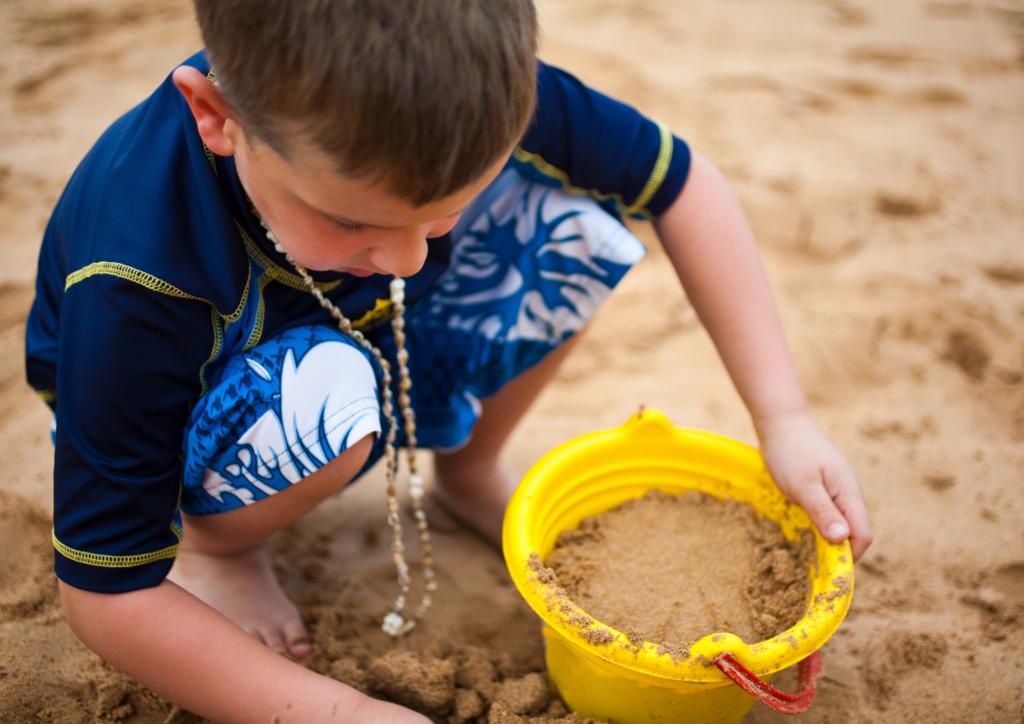
Sandcastle building
Provide buckets, shovels, and other tools. Encourage children to build sandcastles and other structures using their fine motor skills.
Shell painting
Collect seashells and provide paint, markers, and other decorations. Encourage children to decorate the shells as they like.
Water play
Provide squirt bottles, sponges, and other water toys. Encourage children to play and experiment with the different water toys to develop their fine motor skills.
Nature collage
Collect natural materials such as leaves, flowers, and sticks. Provide paper, glue, and other materials. Encourage children to create collages using the natural materials and their fine motor skills.
Bead threading
Provide a variety of coloured beads and a string. Encourage children to thread the beads onto the string to create bracelets, necklaces, and other decorations.
Bubble painting
Provide paint, dish soap, and straws. Encourage children to blow bubbles in the paint mixture and place paper over the bubbles to create unique bubble prints.
Balloon volleyball
Provide balloons and a net or rope. Encourage children to play a game of balloon volleyball, which can help develop their hand-eye coordination and fine motor skills.
These activities can help develop hand-eye coordination, finger strength, and dexterity in young children, while also fostering creativity and a love for Summer.
Autumn/Fall fine motor activities for preschoolers
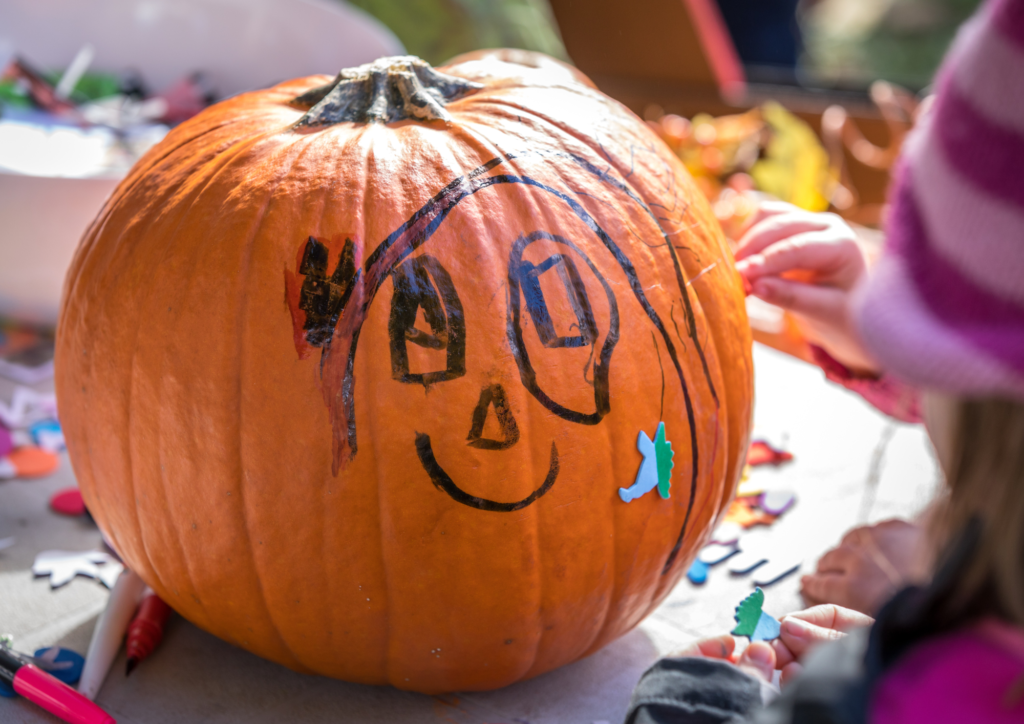
Autumn/Fall is a great time to engage children in fun and creative activities that can help develop their fine motor skills. Here are some ideas for Autumn/Fall fine motor activities for preschoolers:
Leaf rubbing
Collect leaves of different shapes and sizes. Place a leaf under a piece of paper and use a crayon to rub over the leaf, creating a leaf print.
Pumpkin decorating
Provide small pumpkins and decorating materials such as paint, stickers, and markers. Encourage children to decorate the pumpkins as they like.
Apple stamping
Cut an apple in half and use it as a stamp. Dip the apple in paint and stamp it onto paper to create apple prints.
Scarecrow making
Provide clothes pegs, felt, and other materials. Encourage children to create a scarecrow using the clothes pegs and felt to develop their fine motor skills.
Acorn sorting
Collect acorns of different sizes and colours. Provide small containers and encourage children to sort the acorns by size or colour and place them into the appropriate containers.
Fall sensory bin
Fill a large bin with leaves, pine cones, and other Autumn/Fall materials. Provide child-friendly tools such as shovels and rakes, and encourage children to dig and explore the sensory bin to develop their fine motor skills.
Pine cone painting
Collect pine cones and provide paint and brushes. Encourage children to paint the pine cones to create unique Fall decorations.
These activities can help develop hand-eye coordination, finger strength, and dexterity in young children, while also fostering creativity and a love for Autumn/Fall.
Bonfire night collage
Have your own bonfire night indoors by producing arty Catherine wheels, crayon etching fireworks and tissue paper collages of bonfires. You also get to be creative in the kitchen with the kids and prepare some of the tasty snacks that go with it.
Halloween fine motor activities for preschoolers
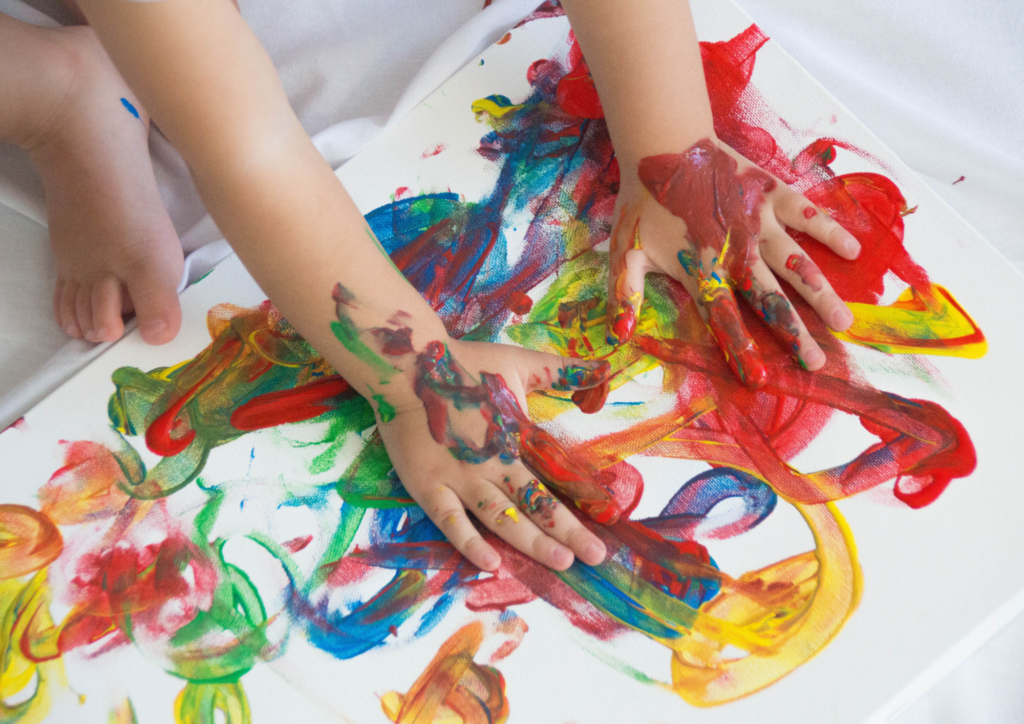
Halloween is a great time to engage children in fun and creative activities that can help develop their fine motor skills. Here are some ideas for Halloween fine motor activities for preschoolers:
Pumpkin carving
Provide small pumpkins and child-safe carving tools. Encourage children to carve their own pumpkins, developing their fine motor skills and hand-eye coordination.
Spider web weaving
Provide a paper plate, yarn, and plastic spiders. Encourage children to weave the yarn in a spider web pattern around the paper plate and place plastic spiders on the web.
Ghost painting
Provide white paint, black construction paper, and a brush. Encourage children to paint white ghosts on the black construction paper using fine motor skills.
Monster handprint craft
Provide paint, construction paper, and googly eyes. Encourage children to make handprints on the paper using paint and then decorate the handprints to create monster faces.
Halloween threading
Provide Halloween-themed beads and a string. Encourage children to thread the beads onto the string to create Halloween necklaces, bracelets, and other decorations.
Frankenstein’s monster finger puppets
Provide felt, scissors, and glue. Encourage children to cut out Frankenstein’s Monster shapes from the felt and glue them together to create finger puppets.
Halloween Sensory Bin
Fill a large bin with Halloween-themed items such as plastic spiders, candy corn, and ghost toys. Provide child-friendly tools such as tongs or scoops and encourage children to dig and explore the sensory bin to develop their fine motor skills.
Halloween costumes will start gracing the shops as soon as school starts, so you should have a healthy selection of scary outfits for the kids to choose from if you start early. By 30 October, you may only be left with a rotting pumpkin, but you can dress anything up with a little bit of art and creativity. Just decide how scary you want to go and have a bash at creating a masterpiece with the kids from your materials. Check out online costume websites for some inspiration.
Christmas fine motor activities for preschoolers

Christmas is a wonderful time to engage children in fun and creative activities that can help develop their fine motor skills. Here are some ideas for Christmas fine motor activities for preschoolers:
Ornament making
Provide plain ornaments and decorating materials such as paint, glitter, and markers. Encourage children to decorate the ornaments using their fine motor skills.
Paper snowflake cutting
Provide paper and scissors. Teach children how to fold paper and cut out snowflakes using their fine motor skills.
Gingerbread man decorating
Provide gingerbread man cookies and decorating materials such as icing, candy, and sprinkles. Encourage children to decorate the gingerbread men using their fine motor skills.
Christmas tree decorating
Provide a small Christmas tree and decorating materials such as tinsel, lights, and ornaments. Encourage children to decorate the tree using their fine motor skills.
Holiday threading
Provide holiday-themed beads and a string. Encourage children to thread the beads onto the string to create Christmas necklaces, bracelets, and other decorations.
Reindeer antlers
Provide brown construction paper, scissors, and glue. Encourage children to cut out antlers from the construction paper and glue them onto a headband or hat to create reindeer antlers.
Christmas sensory bin
Fill a large bin with holiday-themed items such as jingle bells, pinecones, and small ornaments. Provide child-friendly tools such as tongs or scoops and encourage children to dig and explore the sensory bin to develop their fine motor skills.
While you’re getting busy creating snowmen, robins and Santas, why not produce your own holiday greetings cards? If you’re feeling especially creative, you can go that extra mile and decorate a picture frame or make Christmas sock puppets as gifts.
Winter fine motor activities for kids
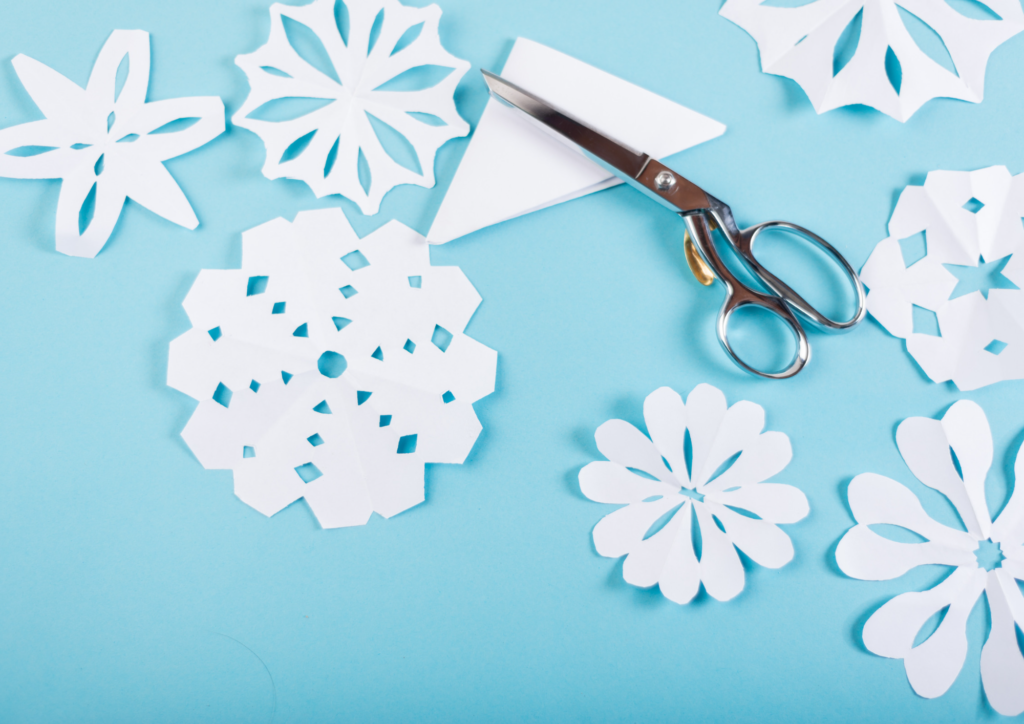
Winter is a great time to engage children in fun and creative activities that can help develop their fine motor skills. Here are some ideas for winter fine motor activities for preschoolers:
Snowflake cutting
Provide paper and scissors. Teach children how to fold paper and cut out snowflakes using their fine motor skills.
Snowman building
Provide materials such as snow or cotton balls, glue, and buttons. Encourage children to build their own snowmen using their fine motor skills.
Winter threading
Provide winter-themed beads and a string. Encourage children to thread the beads onto the string to create winter necklaces, bracelets, and other decorations.
Ice cube painting
Freeze water with food colouring in ice cube trays. Provide paper and encourage children to paint with the colourful ice cubes, developing their fine motor skills.
Penguin craft
Provide black and white construction paper, scissors, and glue. Encourage children to cut out penguin shapes from the construction paper and glue them together to create a penguin craft using their fine motor skills.
Snowball sensory bin
Fill a large bin with fake snowballs, cotton balls, or other sensory materials. Provide child-friendly tools such as tongs or scoops and encourage children to dig and explore the sensory bin to develop their fine motor skills.
Winter painting
Provide white paper and blue or black paint. Encourage children to create winter-themed paintings using their fine motor skills.
These activities can help develop hand-eye coordination, finger strength, and dexterity in young children, while also fostering creativity and a love for winter.
New Years resolutions poster

Teaching your kids about New Year’s resolutions encourages them to think about goals and work at keeping to them. You can create bright and colourful pledge posters together and stick them on the wall or somewhere where you can always see them, so you can remind yourselves of your resolutions. Make sure to create a resolution for yourself too. It doesn’t matter if you don’t keep them, you can always prepare for next year with some more inspiration New Year resolution craft.
Chinese New Year decorations

Some great kids art prompts include practising your origami and dragon drawings in February in time for the Chinese New Year. To continue the theme, why not cook a Chinese banquet and get the whole family helping out? Make sure to use lots of red and gold to mark the cultural colours.
St Patricks Day activities and recipes
Here are some St. Patrick’s Day activities and recipes:
Activities
Shamrock crafts
Provide green construction paper, scissors, and glue. Encourage children to cut out shamrock shapes from the construction paper and glue them together to create a St. Patrick’s Day craft.
Leprechaun traps
Encourage children to create their own leprechaun traps using boxes, construction paper, and other craft supplies. This activity can help develop problem-solving skills and creativity.
Green sensory bin
Fill a large bin with green rice, beans, or other sensory materials. Provide child-friendly tools such as tongs or scoops and encourage children to dig and explore the sensory bin.
St. Patrick’s Day scavenger hunt
Hide St. Patrick’s Day-themed items around the house or yard and create a scavenger hunt for children to find them. This activity can help develop problem-solving and critical thinking skills.
Irish dancing
Teach children traditional Irish dances such as the jig or reel. This activity can help develop coordination and rhythm.
Recipes
Shamrock cookies

Use a shamrock-shaped cookie cutter to make sugar cookies. Decorate with green frosting and sprinkles.
Irish soda bread
Make a traditional Irish soda bread using flour, buttermilk, baking soda, and salt. This recipe can be a fun way to introduce children to traditional Irish cuisine.
Pot of gold cupcakes
Use gold cupcake liners and frosting to create a pot of gold cupcake decoration. Top with chocolate coins or other gold candies.
Leprechaun punch
Mix green Hawaiian Punch, lemon-lime soda, and lime sherbet for a fun and festive St. Patrick’s Day drink.
Corned beef and cabbage
Make a traditional corned beef and cabbage dinner for St. Patrick’s Day. This can be a fun way to introduce children to traditional Irish cuisine.
These activities and recipes can help children develop their creativity, problem-solving skills, and fine motor skills, while also learning about St. Patrick’s Day and Irish culture.
Sorting activities with small items
Sorting activities with small items can be a fun and educational way for children to develop their fine motor skills, hand-eye coordination, and cognitive skills. Here are some ideas for sorting activities:
Colour sorting
Provide a variety of small items such as beads, buttons, or pom poms in different colours. Encourage children to sort the items by colour, using their fine motor skills to pick up and sort the items.
Shape sorting
Provide a variety of small items in different shapes such as foam stickers, paper cutouts, or small toys. Encourage children to sort the items by shape, using their fine motor skills to pick up and sort the items.
Texture sorting
Provide a variety of small items with different textures such as fabric scraps, small toys, or natural materials like rocks or shells. Encourage children to sort the items by texture, using their sense of touch to feel and sort the items.
Size sorting
Provide a variety of small items in different sizes such as beads, buttons, or blocks. Encourage children to sort the items by size, using their fine motor skills to pick up and sort the items.
Counting and sorting
Provide a variety of small items such as small toys, buttons, or coins. Encourage children to sort the items by colour, shape, texture, or size and then count how many items are in each category, developing their math skills along with their fine motor skills.
These sorting activities can be adapted to different age levels and can be done with a variety of small items found around the house. They are a great way for children to learn about categorization, develop their fine motor skills, and engage in hands-on learning.
Why not try my Maths Actiity Book to help your preschooler practice their numbers in prepartion for school! Check out the easy tutorial here or click on the image below.

Rubber band fine motor activities for preschoolers
Rubber band fine motor activities can help children develop their hand-eye coordination, finger strength, and dexterity. Here are some ideas for rubber band activities:
Grab approx. 400 different coloured and sized rubber bands for so cheap fine motor fun here*
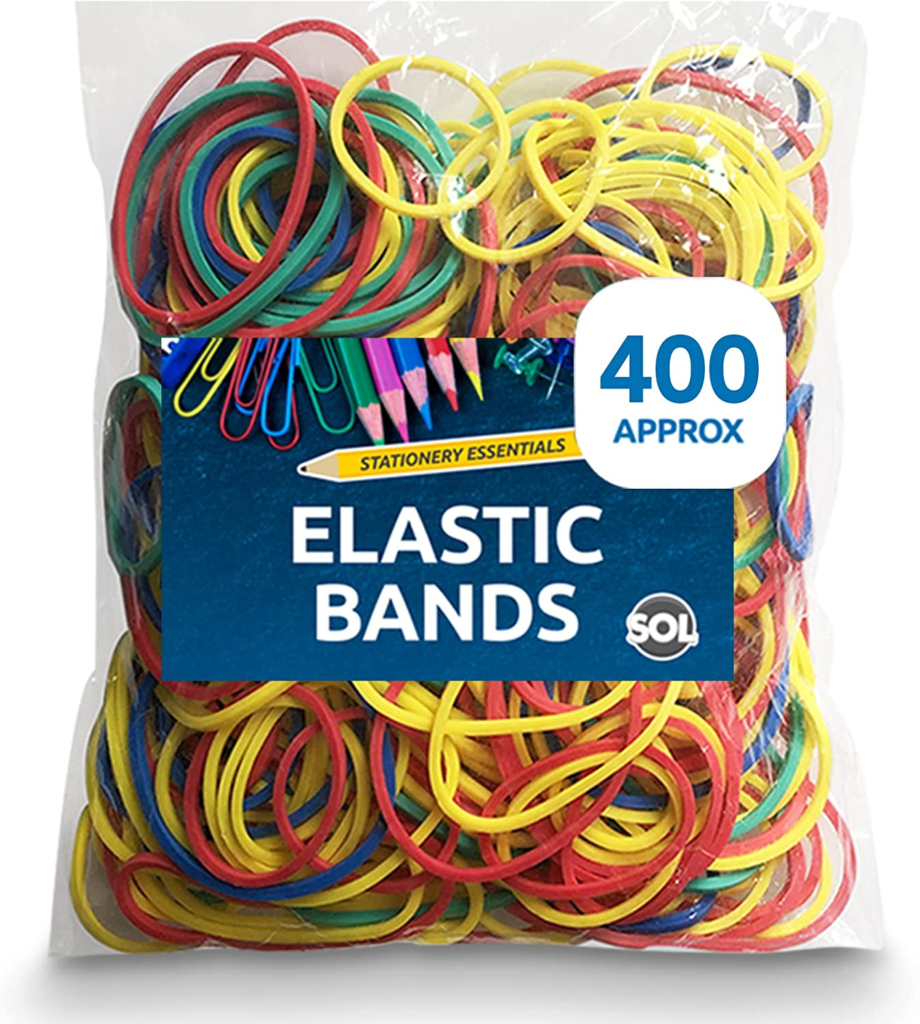
400pk SOL Elastic Bands | Rubber Bands Assorted Sizes | Thick Elastic Bands Office | Sturdy Strechable Rubber Band for Home, Office, School | Coloured… Buy from Amazon here*
Rubber band board
Create a board with pegs or nails in a pattern, and provide rubber bands for children to stretch and loop over the pegs or nails, creating patterns and designs.
Rubber band weaving
Provide a small wooden or plastic loom, or create one by threading nails into a board in a pattern. Provide rubber bands in different colours and thicknesses for children to weave over and under the nails, creating a woven design.
Rubber band bracelets
Provide rubber bands in different colours and sizes, and teach children how to create rubber band bracelets by looping and weaving the rubber bands together with their fingers.
Rubber band catapults
Create a simple catapult out of popsicle sticks and rubber bands, and encourage children to use their fine motor skills to stretch and pull the rubber bands to launch small objects.
Rubber band instruments
Create a simple musical instrument such as a guitar or banjo by stretching rubber bands over a cardboard box or tissue box and strumming them with a popsicle stick.
These rubber band activities can be adapted to different age levels and can be done with a variety of materials found around the house. They are a great way for children to engage in hands-on learning while developing their fine motor skills and creativity.
Weaving for preschoolers
Weaving can be a great activity for preschoolers to develop their fine motor skills, hand-eye coordination, and creativity. Here are some tips for weaving activities for preschoolers:
Start with a simple loom
Use a cardboard or plastic loom with fewer warp threads spaced apart, to make it easier for preschoolers to weave. You can also create a simple loom by threading yarn or string between two chairs or objects, with a space between each thread.
Use colourful yarn or ribbon
Choose yarn or ribbon in bright colours and textures to make the weaving process more engaging for preschoolers. Let them pick their favourite colours and textures to make the weaving project more personal.
Teach simple weaving techniques
Teach preschoolers how to weave over and under the warp threads, using their fine motor skills to manipulate the yarn or ribbon. You can also teach them how to change colours or add embellishments to their weaving.
Encourage creativity
Let preschoolers experiment with different weaving patterns and techniques, and encourage them to use their imagination to create unique designs. They can also add beads or other small objects to their weaving for added texture and interest.
Display the finished product
After the weaving is completed, display the finished product for preschoolers to show off their hard work and creativity. They can also give their weaving as a gift to a loved one or hang it up in their room as a decoration.
Weaving can be a fun and educational activity for preschoolers, helping them develop their fine motor skills and creativity. With simple materials and techniques, preschoolers can create beautiful woven pieces that they can be proud of.
These safety scissors* are perfect for preschoolers!
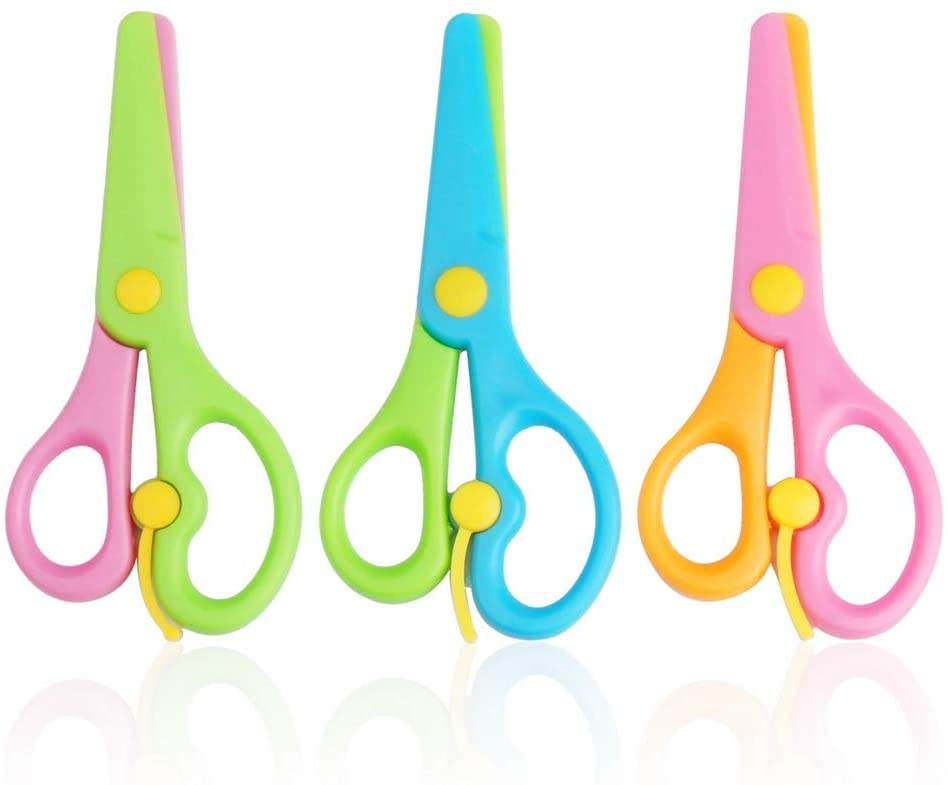
kuou 3 Pcs Children Safety Scissors Set, Toddler Scissors Age 3 Spring Loaded Plastic Preschool Scissors Pre-School Training Toys DIY Christmas Gifts… Buy from Amazon here*
Scissor skills activities
Scissor skills are an important part of developing fine motor skills and hand-eye coordination in children. Here are some activities to help children develop their scissor skills:
Cutting practice sheets
You can find free cutting practice sheets online or create your own by drawing lines or shapes for children to cut along. Start with straight lines and then progress to curved lines and shapes.
Cutting strips
Create strips of paper or cardboard with lines drawn on them, and have children cut along the lines. You can also add patterns or designs to the strips to make the activity more engaging.
Cutting food
Cut out pictures of food from magazines or draw pictures of food on paper, and have children cut them out with scissors. This can also be a good opportunity to teach children about different foods and healthy eating habits.
Cutting playdough
Cutting playdough is a great motor skills a. ctivityProvide children with playdough and child-safe scissors to practice cutting the playdough into different shapes and sizes.
Cutting art projects
Incorporate scissor skills into art projects by having children cut out shapes or create collages with cut-out pictures or designs.
It is important to supervise children during scissor activities to ensure their safety, and to use child-safe scissors appropriate for their age and skill level. With regular practice and guidance, children can develop their scissor skills and gain confidence in their ability to use scissors.
Remember to always supervise your preschooler during these activities and choose ones that are appropriate for their developmental level.
Keep your toddler busy with the personalised, laminated and reusable Busy Book here!*
Check out the tutorial for the Toddler Busy Book here too!
FAQ
What is fine motor skills development?
Fine motor skills development refers to the gradual improvement and refinement of small muscle movements, primarily in the hands and fingers, which are necessary for tasks requiring precision and dexterity. These skills involve the use of smaller muscles in the fingers, hands, and wrists, as well as eye-hand coordination, and are essential for many daily activities such as writing, drawing, buttoning clothes, using utensils, and playing with small toys.
Fine motor skills development typically begins in infancy and continues throughout childhood and into adolescence. Babies start by exploring their environment by reaching, grasping, and touching objects with their hands. As children grow, they develop greater control and accuracy in their movements, allowing them to manipulate smaller and more complex objects.
Fine motor skills development can be encouraged through play and practice. Activities that promote fine motor skills include drawing, colouring, painting, cutting with scissors, building with blocks, playing with puzzles, and stringing beads. Additionally, many crafts and DIY projects can be great for fine motor skill development.
What are 3 fine motor skills a preschooler can do?
Other questions asked were:
- What fine motor skills are developed as a toddler?
- Examples of fine motor skills for preschoolers/toddlers?
Preschoolers typically develop fine motor skills, which involve the coordination of small muscles in the hands and fingers, at varying rates. Here are three examples of fine motor skills that many preschoolers can do:
- Holding and using a crayon or pencil: Preschoolers can usually hold a crayon or pencil with their fingers and make basic marks on paper.
- Building with blocks: Preschoolers can manipulate small blocks or other building materials, such as legos, with their fingers to create towers, houses, or other structures.
- Stringing beads: Preschoolers can often use their fingers to string small beads onto a string or shoelace, developing their hand-eye coordination and dexterity.
What activities are good for fine motor skills?
Other questions asked were:
- What are some fine motor activities for preschoolers?
- Which are the fun activities available for preschoolers?
- What are some examples of fine motor activities for preschoolers?
- What are some examples of fine motor activities for preschoolers?
- What are some fine motor skill development activities?
- What are some fine motor skills preschoolers should learn?
- What are fine motor activities for preschoolers
- What is fine motor skills for preschoolers?
- What are some fine motor skills for preschoolers?
- What are fine motor skills for preschoolers?
- 10 fine motor activities for preschoolers?
10 of the best fine motor activities for kids include:
- Playdough: Playing with playdough is an excellent way for preschoolers to strengthen their hand muscles and improve their fine motor skills. They can roll, squish, and mold the dough.
- Scissor Skills: Cutting with scissors is a great way for preschoolers to practice their hand-eye coordination, grip strength, and cutting skills. You can provide child-safe scissors and encourage them to cut paper into different shapes.
- Beading: A great fine motor skills activity includes stringing beads to help preschoolers practice their fine motor skills. You can provide them with large, colourful beads and a string to create their own necklaces or bracelets.
- Drawing and Colouring: Another great fine motor activity is drawing and colouring which are simple activities that help preschoolers develop their hand-eye coordination and fine motor skills. You can provide them with crayons, markers, or coloured pencils.
- Puzzles: Puzzles are an excellent way for preschoolers to develop their problem-solving skills and fine motor skills. You can start with simple puzzles and gradually increase the difficulty level.
- Threading: fine motor skills activities for preschoolers should include threading activities which involve using a needle and thread to create patterns or designs. You can use materials like buttons, beads, or pasta for this activity.
- Stickers: Sticking stickers onto paper is a fun way for preschoolers to improve their hand-eye coordination and fine motor skills. You can provide them with a variety of stickers and let them create their own designs.
- Play with Building Blocks: Playing with blocks is an excellent way for preschoolers to develop their hand-eye coordination, spatial awareness, and fine motor skills. They can build towers, houses, or other structures.
- Tracing: Tracing shapes or patterns is a simple activity that helps preschoolers develop their hand-eye coordination and fine motor skills. You can provide them with tracing sheets and encourage them to trace different shapes.
- Cutting and Gluing: Cutting out shapes and gluing them onto paper is an excellent way for preschoolers to practice their cutting and gluing skills. You can provide them with pre-cut shapes and let them create their own designs.
What are fine motor skills activities for 2 year olds?
There are many fine motor skill activities that can be appropriate for 2-year-olds, and they can help improve their hand-eye coordination, dexterity, and overall development. Here are some fine motor skills activities for toddlers/preschoolers:
- Finger Painting – This activity allows toddlers to explore with their fingers and practice their pincer grasp.
- Playdough – Fine motor activities for toddlers should include squishing, rolling, and manipulating playdough to help strengthen hand muscles and aid easy fine motor control.
- Puzzles – Fine motor activities for 2 year olds should involve puzzles which help improve hand-eye coordination and problem-solving skills.
- Stringing Beads – This activity improves hand-eye coordination and helps develop fine motor skills.
- Stacking Blocks – Activities for fine motor skills for toddlers should include stacking blocks which can improve hand-eye coordination and spatial awareness.
- Drawing and Scribbling – Toddler fine motor activities should include drawing with crayons or markers to encourage fine motor development, and allow toddlers to practice their grip and hand control.
- Cutting and Pasting – Fine motor skills activities for toddlers should involve using child-safe scissors to cut paper and paste shapes as it helps with hand-eye coordination and fine motor skills.
Remember to always supervise your child during these activities and choose age-appropriate materials.
How can you improve the fine motor skills in preschoolers?
Other questions asked were:
- What are some fine motor skills activities for 2/3 year olds?
- what are fine motor activities for 3 year olds?
- What are activities for fine motor skills for kindergarten?
- What is a fine motor skill activity for 4 year olds?
- What are some fine motor activities for 5 year olds?
- How to improve fine motor skills activities for 6 year olds?
There are many ways to improve fine motor skills in preschoolers. Here are some fine motor activities for Toddlers/preschoolers that can help:
- Playdough: Playing with playdough can help strengthen the hand muscles and improve fine motor skills. Encourage preschoolers to roll, squeeze, and mould the dough.
- Cutting and Pasting: Cutting out shapes and gluing them onto paper can help preschoolers improve their cutting and pasting skills, and also strengthen their fine motor skills.
- Beading: Stringing beads can help preschoolers improve their hand-eye coordination and fine motor skills. Provide large, colourful beads and a string to create their own necklaces or bracelets.
- Tracing: Tracing shapes or patterns can help preschoolers develop their hand-eye coordination and fine motor skills. Provide tracing sheets and encourage them to trace different shapes.
- Drawing and Colouring: Drawing and colouring are simple activities that can help preschoolers develop their fine motor skills. Provide them with crayons, markers, or coloured pencils.
- Stickers: Sticking stickers onto paper is a fun way for preschoolers to improve their hand-eye coordination and fine motor skills. Provide them with a variety of stickers and let them create their own designs.
- Puzzles: Activities for fine motor skills for toddlers should include puzzles which are an excellent way for preschoolers to develop their problem-solving skills and fine motor skills. Start with simple puzzles and gradually increase the difficulty level.
- Play with Building Blocks: Playing with blocks can help preschoolers develop their hand-eye coordination, spatial awareness, and fine motor skills. Encourage them to build towers, houses, or other structures.
- Threading: Threading activities involve using a needle and thread to create patterns or designs. Use materials like buttons, beads, or pasta for this activity.
- Sensory Bins: Sensory bins are filled with materials like rice, beans, or sand, and provide a tactile experience for preschoolers. Encourage them to scoop, pour, and manipulate the materials, which can help improve their fine motor skills.
Remember to always supervise preschoolers during these activities and choose age-appropriate materials. Consistent practice and exposure to a variety of fine motor activities can help improve their skills over time.
What are fine motor skills applied in sports?
Fine motor skills are essential in many sports activities. Here are a few examples of how fine motor skills are applied in sports:
- Dribbling a basketball: Dribbling a basketball requires precise hand-eye coordination and the ability to control the ball with the fingers and hands.
- Hitting a baseball: Hitting a baseball requires fine motor skills in the hands, wrists, and fingers to control the bat and make contact with the ball.
- Shooting a hockey puck: Shooting a hockey puck requires precise control of the stick and the ability to manipulate the puck with the hands and fingers.
- Serving a tennis ball: Serving a tennis ball requires the use of the hand and wrist to generate power and control the ball’s trajectory.
- Shooting a basketball: Shooting a basketball requires the use of fine motor skills in the hands, fingers, and wrists to control the ball’s direction and arc.
In addition to these examples, fine motor skills are also important in many other sports activities such as golf, gymnastics, and rock climbing. The ability to control small movements in the hands and fingers is essential for achieving success in these activities.
What are some examples of fine motor muscle memory?
Fine motor muscle memory refers to the ability to perform skilled movements with precision and accuracy without conscious effort or thought. Here are some examples of fine motor muscle memory:
- Typing: Touch typing on a keyboard is a skill that requires the use of fine motor skills in the hands and fingers. With practice, the fingers learn the locations of the keys and the movements required to type different letters, numbers, and symbols.
- Playing a musical instrument: Playing a musical instrument such as the piano or guitar requires precise movements of the fingers and hands to produce specific notes and chords. With practice, these movements become automatic, and the musician can play more complex pieces without having to think about each individual movement.
- Knitting or crocheting: Knitting and crocheting involve intricate hand movements to manipulate yarn and needles or hooks. With practice, the movements become more automatic, and the knitter or crocheter can focus on the pattern or design rather than each individual movement.
- Painting or drawing: Painting and drawing require fine motor skills in the hands and fingers to create precise lines and shapes. With practice, the artist can develop muscle memory for different strokes and techniques, allowing them to create more complex and detailed artwork.
- Sewing: Sewing involves precise movements of the hands and fingers to manipulate fabric and thread. With practice, the movements become more automatic, and the seamstress can focus on the design and construction of the garment rather than each individual movement.
Is clapping a fine or gross motor skill?
Clapping is generally considered a gross motor skill, as it involves the use of large muscle groups in the arms and shoulders to bring the hands together to produce the clapping sound. However, it also requires some level of fine motor control, as the hands need to be accurately positioned to produce the desired sound. Overall, clapping is a simple movement that involves both gross and fine motor skills.
What can I do to help my 17 month old toddler progress in her speech and fine motor skills? She is a very active child who has no patience to sit down and learn or play with educational toys like shape sorters
It’s great that you are looking for ways to support your toddler’s development! Here are some tips to help encourage speech and fine motor skill development:
- Talk to your child: Children learn language through exposure to it, so it’s important to talk to your child often, even if they don’t seem to be responding. Describe what you are doing as you go about your day, and encourage your child to respond in whatever way they can, such as babbling or pointing.
- Read to your child: Reading to your child is a great way to expose them to language and encourage their interest in books. Even if your child is not interested in sitting still for a story, you can try incorporating books into your daily routine, such as looking at picture books during mealtime.
- Provide opportunities for exploration: Children learn through play and exploration, so provide opportunities for your child to play with a variety of objects and materials, such as toys with different textures, shapes, and colors. This can help to develop their fine motor skills as they manipulate and explore different objects.
- Encourage movement: Physical activity is important for overall development, including fine motor skills. Encourage your child to crawl, walk, run, and play outside. This can also help to develop their gross motor skills, which are important for more complex fine motor movements.
- Incorporate play into daily routines: If your child is not interested in sitting down to play with educational toys, try incorporating learning into everyday activities. For example, encourage your child to help with tasks such as folding laundry, pouring water, or putting away toys. This can help to develop their fine motor skills and also expose them to new vocabulary.
Remember that every child develops at their own pace, and it’s important to be patient and supportive as your child progresses. If you have concerns about your child’s development, consult with your paediatrician or a developmental specialist.
Are fine motor issues a sign of a medical condition or developmental delay? My 8 year old is extremely clumsy and her movements are slow. The school is requiring me to have her assessed by a doctor?
Fine motor issues can be a sign of a medical condition or developmental delay, but they can also be a normal part of a child’s development. It’s important to have your child assessed by a doctor or a specialist if you have concerns about their motor skills.
There are several medical conditions that can affect fine motor skills, including:
- Cerebral palsy: This is a neurological disorder that affects movement and coordination.
- Muscular dystrophy: This is a genetic disorder that causes progressive muscle weakness and deterioration.
- Down syndrome: Children with Down syndrome may have delays in motor development, including fine motor skills.
- Developmental coordination disorder (DCD): This is a condition that affects motor coordination and can lead to difficulties with fine motor skills.
It’s also possible that your child’s motor skills are delayed due to other factors, such as lack of practice or exposure to certain activities.
If your child’s school is requiring an assessment, it’s important to follow through with this recommendation. The assessment can help to identify any underlying issues and determine the best course of action for supporting your child’s development. Your child’s doctor or specialist may recommend occupational therapy or other interventions to help improve their motor skills.
What instruments can be mastered by a person with weaker fine motor skills?
There are several instruments that can be mastered by a person with weaker fine motor skills. Here are some examples:
- Piano/Keyboard: Piano or keyboard playing can be a great option for those with weaker fine motor skills because it requires larger, gross motor movements. Additionally, many piano methods focus on building finger strength and dexterity over time.
- Guitar: While guitar playing does require finger dexterity, it’s also possible to modify the technique to use a flatpick or fingerpick to play, which can help compensate for weaker finger control.
- Drums/Percussion: Playing drums or percussion instruments can be a great option for those with weaker fine motor skills because it requires larger, gross motor movements. Additionally, it can be easier to modify technique to compensate for weaker fine motor control.
- Ukulele: The ukulele is a smaller instrument than the guitar and requires less finger strength, making it a good option for those with weaker fine motor skills.
- Voice: Singing is an instrument that doesn’t require any fine motor skills, making it a great option for those with weaker fine motor control.
It’s important to note that each individual’s abilities and limitations may vary, and it’s always a good idea to consult with a music teacher or occupational therapist to determine the best instrument for you or your child’s abilities. With patience, persistence, and practice, individuals with weaker fine motor skills can still become accomplished musicians on a wide range of instruments.
Is the person whose motor skills are split with one side being fine motor and the other side being gross motor truly ambidextrous?
It’s possible for a person to have different levels of motor skills on different sides of their body, but this does not necessarily mean they are ambidextrous. Ambidexterity refers to the ability to use both hands equally well, and it typically implies a high level of proficiency with fine motor skills on both sides of the body.
If a person has one side of their body that is better at fine motor skills and the other side that is better at gross motor skills, they may be referred to as having mixed laterality. This is a term used to describe people who exhibit different handedness and/or dominant foot, eye, and ear for different tasks.
It’s worth noting that hand dominance is not always an all-or-nothing phenomenon, and some people may have a degree of mixed laterality even if they are not completely ambidextrous. It’s also possible for a person’s motor skills to change over time due to injury, illness, or changes in brain function.
Ultimately, the labels we use to describe a person’s motor skills are less important than their ability to function and perform daily activities. With practice and patience, individuals can improve their motor skills on both sides of their body, regardless of whether they are considered ambidextrous or have mixed laterality.
*Links marked with a ‘*’ are affiliate links which means I may earn a small commission if you click through to buy at no extra cost to you – thank you for your support.