How to teach your child to ride a bike in three easy steps
I remember the first time my two boys started riding a bike – well, they started on scooters and I was so impressed with how they got the knack of them so quickly. And my second wasn’t even two yet!
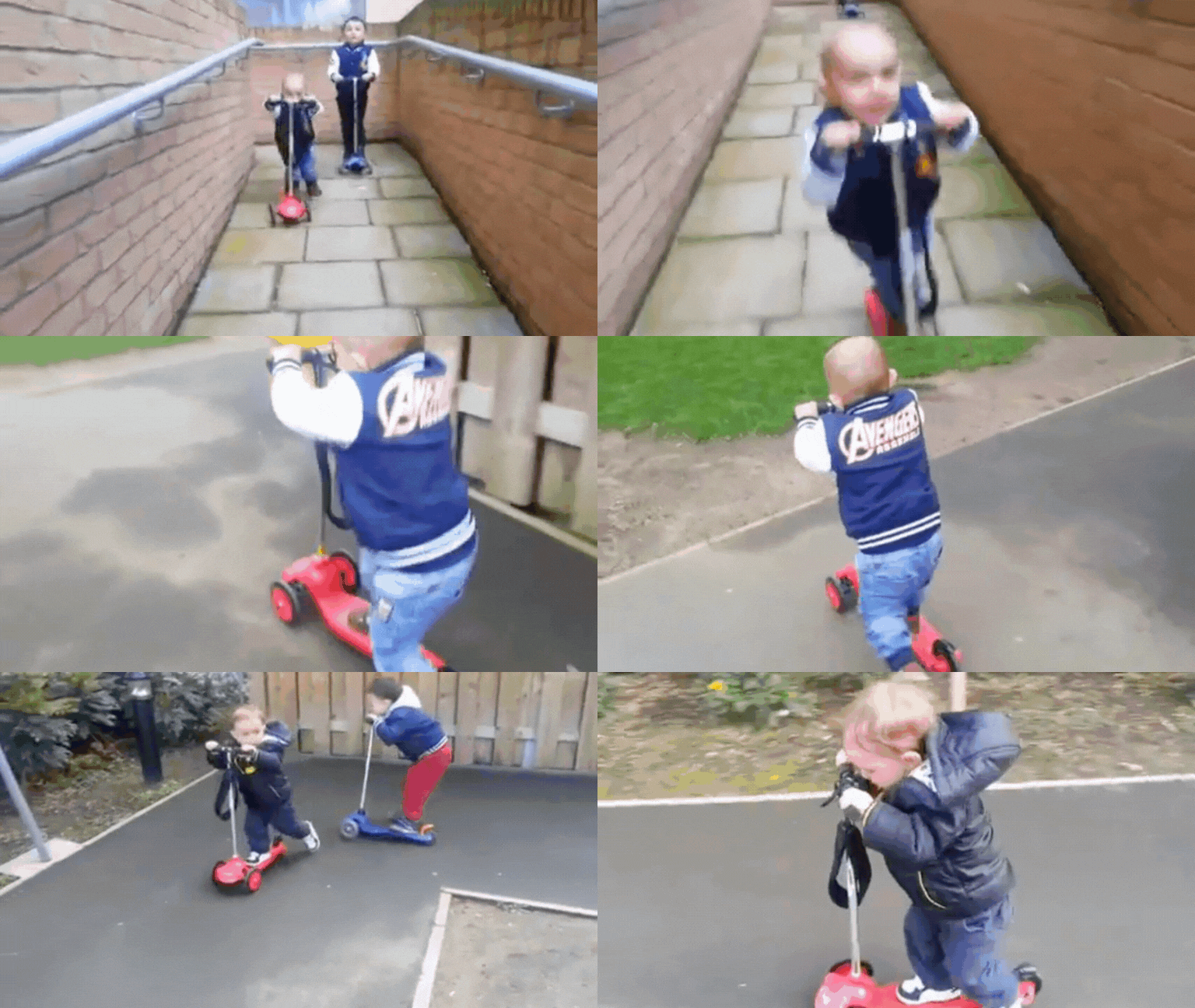
As they got older, the boys gained more confidence and they transitioned to the balance bike and a bike with stabilisers.
Ultimately they ended up on super-duper bikes without stabilisers, but if you can see the tricks they do at 12 and 13, you’ll be impressed!
The girls, on the other hand, started off a bit slow on the bike journey. We were met with a lot of pushback, even with scooters, so we had to start right from the beginning, which was all about getting a feel for the bike.

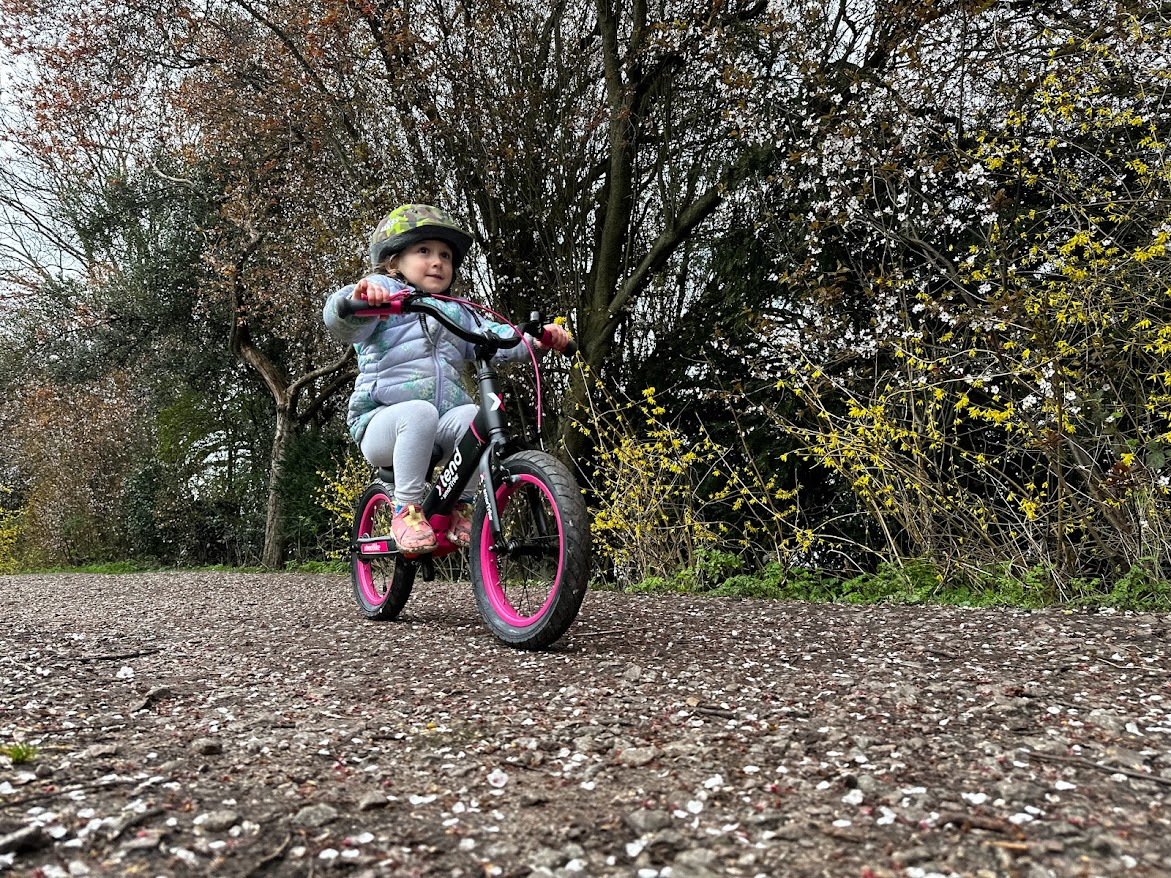
Thankfully we were gifted an Xtend bike* for our four-year-old to try out and she took to it like a duck to water! From riding literally nothing to a super amazing Xtend bike that can grow with her, i.e. this bike transitions from balance bike to a pedal bike sans stabilisers, shows how versatile and high quality this bike is. Also an Xtend bike will save you money and give your child the confidence to learn a new skill with confidence too!
@_t.o.m.m.m.y_ This bike is awesome! Starts off as a balance bike with little balancing support/ encouragemnt steps for the feet, and then converts into a bike with pedals once the child is ready! #kidsfun #kidscycling #learntocycle #bycicle #xtendbike @smarTrike #smartrike ♬ original sound – -Tommy Preston-
So in this article, I wanted to pass on my experience about how I reduced my four kids’ screentime by teaching them how to ride a bike in three very easy steps. We’ll explore the best ages and methods to introduce your child to biking and go through how to start with a balance bike and then transition to ultimately a pedal bike without stabilisers. We’ll end with some tips on how to ride a bike safely and review the innovative SmarTrike Xtend Line that grows with your child and supports a sustainable and cost-effective biking experience.
The key is to start small and slow then grow. This is my favourite phrase that I attach to any large challenge/project because it always fits and once you accomplish your goal, there’s nothing like the feeling of earning the reward (riding a bike unassisted) at the end.
So here is my article on how to teach your child to ride a bike.
What’s the big deal about riding a bike anyway?
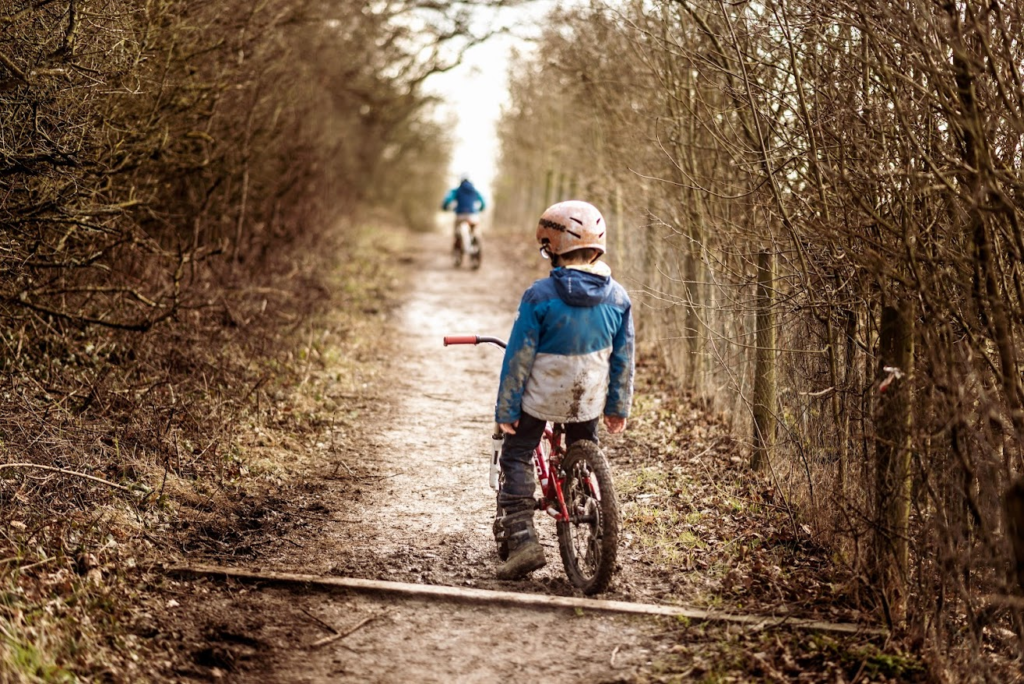
For many families, teaching a child to ride a bike is more than just a fun activity; it’s a gateway to independence and a healthier lifestyle away from screens. When I see children gliding on their bikes, I see more than just play; I see a fundamental shift from digital entertainment to engaging, real-world experiences.
Riding a bike is such a valuable form of exercise and an essential part of child development. It’s the freedom to engage directly with the world around you. Each ride can be an adventure, exploring the surrounding nature and experiencing exhilarating speeds you can’t reach simply by walking or riding in a car. Biking is so sensory-rich, so the earlier you teach your child to ride a bike, the sooner they will experience this liberation. This brings me to my next point.
When should you teach your child to ride a bike?
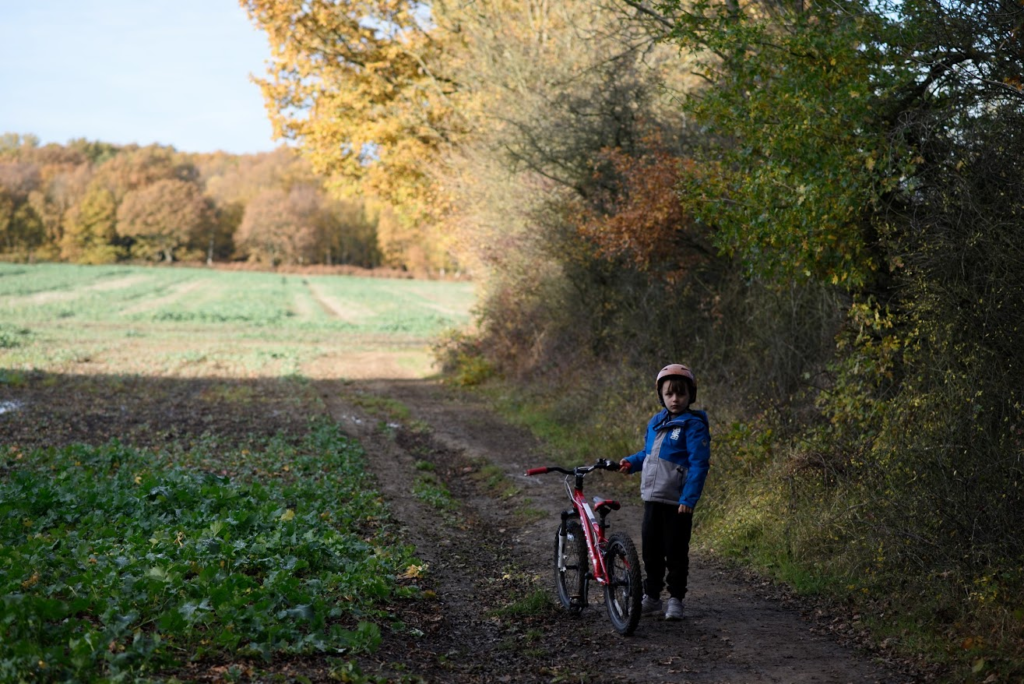
So, we talked about the developmental benefits of biking. But what is the best age to teach a child to ride a bike?
The truth is, there is no specific answer to when to teach your child to ride a bike – your child will be ready when they’re ready. But you at least want them to get a feel for a balance bike, scooter or trike from as early as 18 months (as mentioned earlier, my second was whizzing around in a scooter from 18 months, so you can start even earlier if you wanted to). A balance bike, scooter or trike will introduce your child to essential balance and steering skills, but with support and none of the pressure of trying to do it on their own.
By ages three to five, you can transition them to pedal bikes with training wheels to further develop their pedalling and handling skills, although some kids skip this part completely (again, like my second).
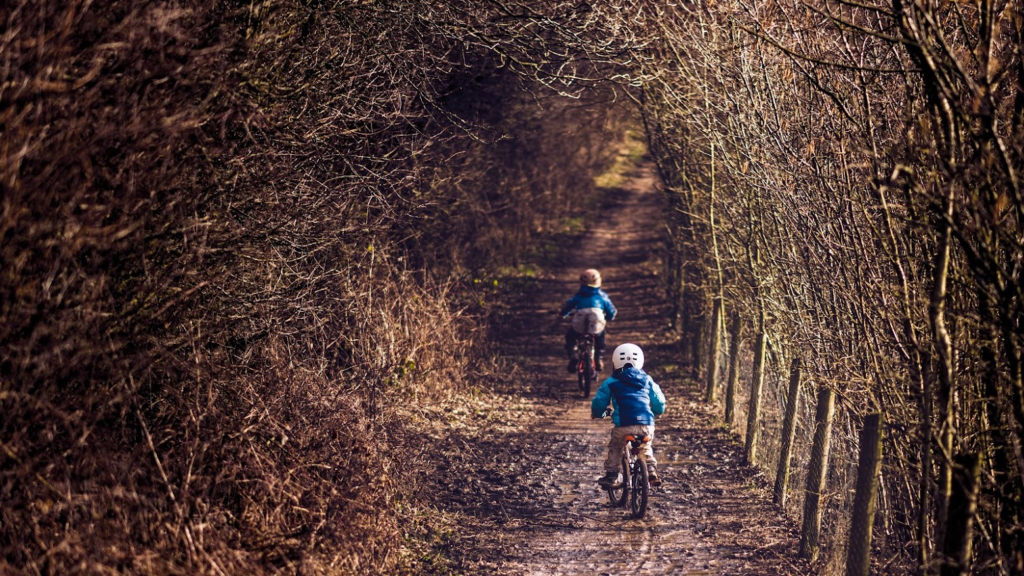
By ages five to seven, your child may be ready to ride a bicycle without stabilisers (training wheels) if their balance and motor skills have developed enough to try on their own. However, every child is different. If your child is struggling to pedal a bike, then take a step back and put the support back on. There’s no rush and it’s better to flow through the process with as little anxiety as possible, so as not to deter them from trying at all.
The key here is to watch for signs that they’re interested and feeling confident enough to give it a go. Supportive encouragement and a safe, positive learning environment are key factors to starting this journey on the bike – so no forcing or pushing. Some kids naturally don’t want to because of other issues, like perhaps inner ear imbalance or sensory issues, so read their cues and start off very slow in the process. Eventually, they will gain the confidence to try again.
Who can teach my child to ride a bike?
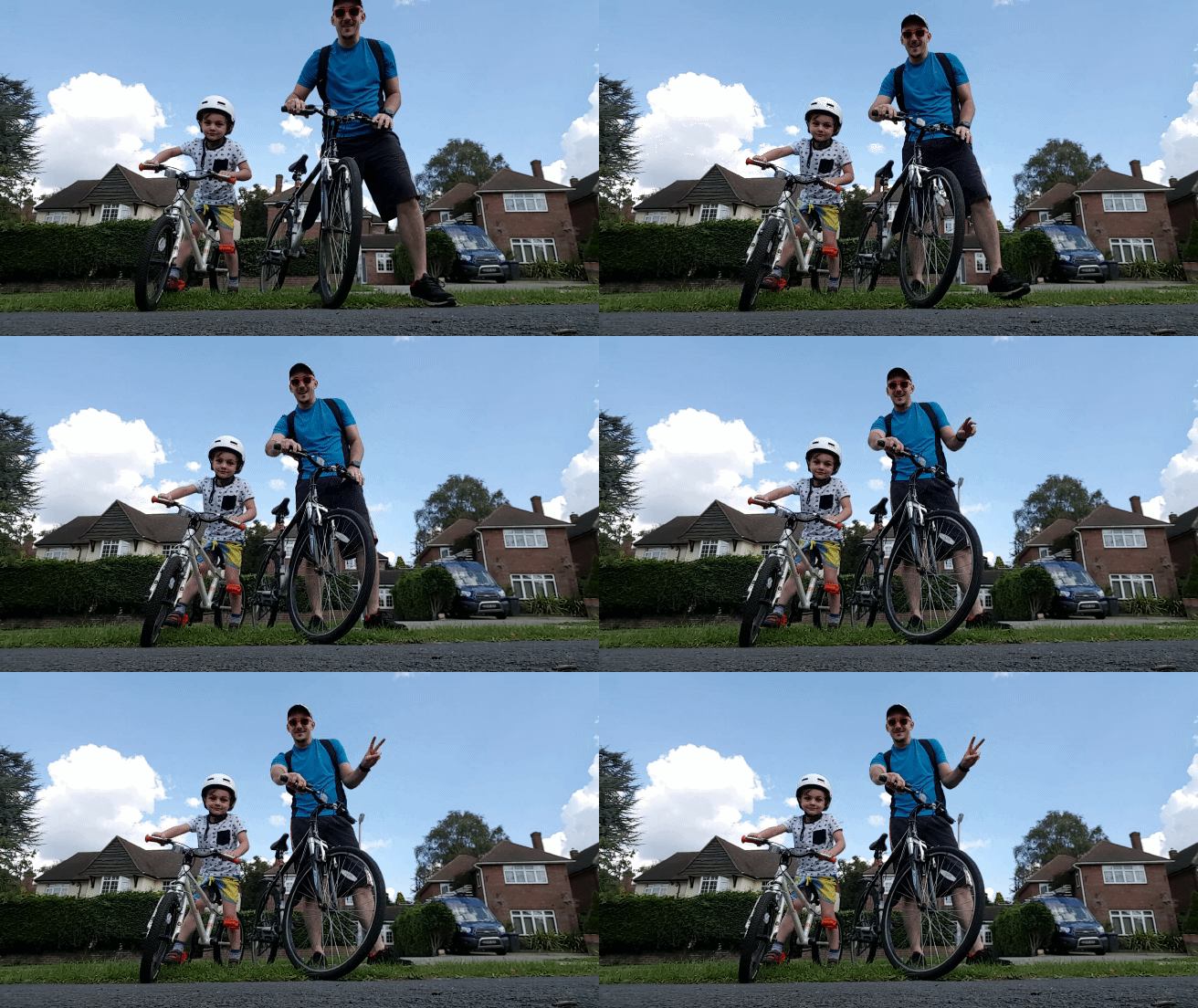
Generally, parents are the first choice when it comes to passing down the skill of riding a bike. It can make for a wonderful bonding experience and give you the chance to tailor the learning pace according to your child’s individual needs, as you know them best. However, if you feel unprepared or you think your child will respond better to instruction from someone else, here are some ideas on who else can teach your child to ride a bike:
Older siblings or family members

If your child has an older brother, sister or close family member who already knows how to ride a bike, then they can also be great instructors. Plus, it may make the learning process less intimidating for the younger child. We’re lucky that the girls have older brothers who are highly skilled at riding a bike, so they naturally make excellent instructors and have equally helped the girls gain more confidence on the bikes.
Friends or neighbours
Your child might feel more motivated to learn when watching their friends do it, especially if they’re of a similar age. If this is the case, try to get a group of similar-skilled kids together and encourage your friends/neighbours to help them start on the bike. You can always help another person’s child at the same time, so everybody is helping each other out.
Professional instructors
In some communities, you will find cycling instructors or local bike shops that offer lessons specifically for children. This can be a good option if you don’t feel you can teach your child yourself.
Bike schools or camps
You can find specialised bike schools or camps that provide structured learning environments for bike riding skills. These programs are great for teaching a range of related skills, from basic riding techniques to road safety.
Recreational community programs
Check with your local play centres or community groups to see if there are any seasonal classes or workshops focused on how to teach your child to ride a bike, often conducted in safe, traffic-free environments too.
What is the best way for a child to learn to ride a bike?
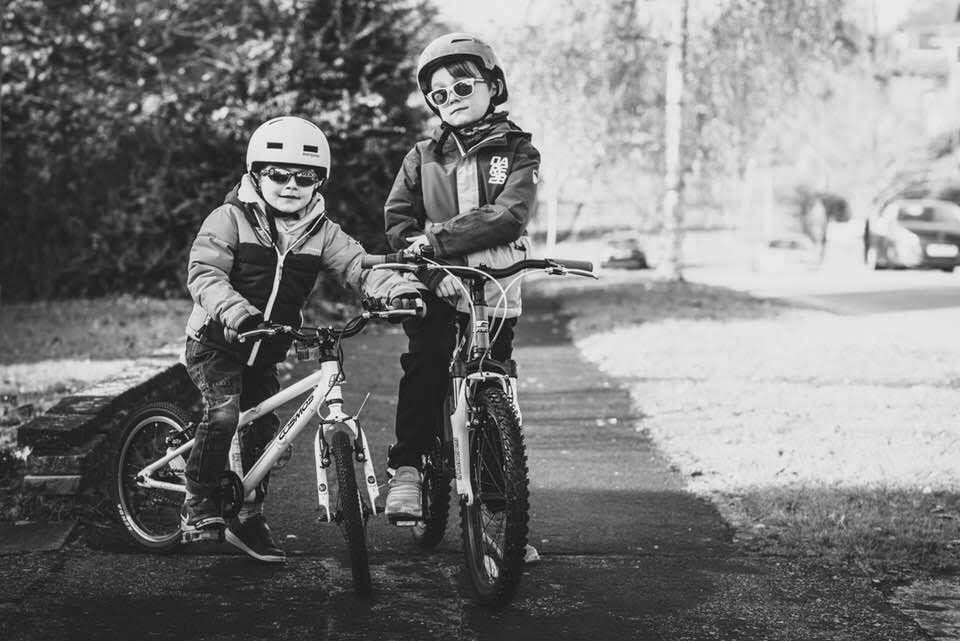
Ok, this is where we get to the nitty-gritty of how to teach your child to ride a bike and it’s very much a ‘one-step-at-a-time’ approach. But to do this, we need to know the different bike types out there and what bike is right for your child at that particular time. Then I’ll let you know how you can incorporate all the steps using just one bike! The Xtend bike* can be used for the whole journey – but we’ll go through that in a moment.
So, what wheeled vehicles do we have out there that will help you get your child to independent riding status?
Scooters
Considering my boys lived on scooters at the beginning of their bike journey, it would only be fair to include them in the bike family, considering they are still wheeled independent vehicles.
Scooters are excellent for developing balance and coordination because they require your child to balance on two wheels while pushing off the ground with their foot. Children can start using scooters from as young as 2 years old (or even younger, like my son) depending on their physical development.
Trikes (Tricycles)
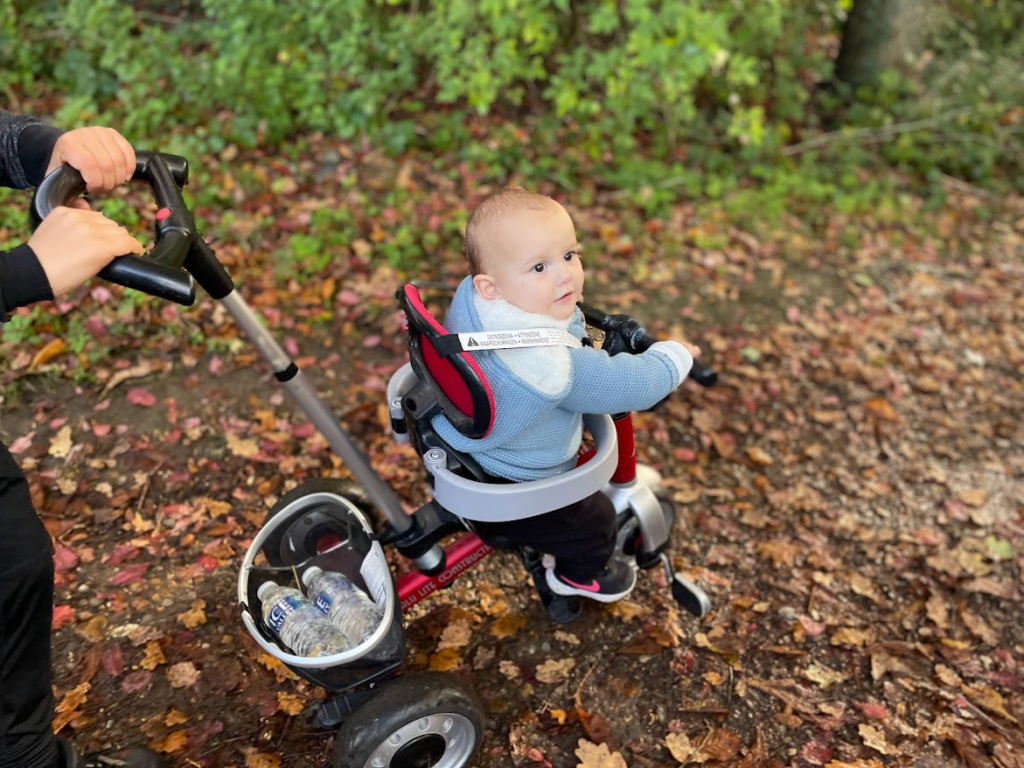
Trikes are stable and easy to pedal, so they are perfect introductions to wheeled vehicles for toddlers as young as 18 months. Toddlers can rest their feet on paddles and get a feel for steering via the handlebar, all while you control the movement. Then, when they’re ready (and tall enough), they can pedal just like they would a bike, but still feel comforted that the adult is controlling the steering, They also have the option to pedal and steer on their own but the back wheels provide the support like stabilisers.
Balance Bikes

Balance bikes don’t have pedals and rely on your child’s feet to propel and stop, which is crucial for teaching balance and steering. You can introduce how to teach your child to ride a balance bike from 18 months to two years and they can practice until they are ready for a pedal bike.
Pedal bikes with stabilisers (training wheels)

These pedal bikes have training wheels attached to prevent tipping, so it’s a great way for your child to get a feel for the bike before learning to balance on their own. It’s a great way to bridge the gap from balance bike to a pedal bike without stabilisers.
Pedal bikes without stabilisers
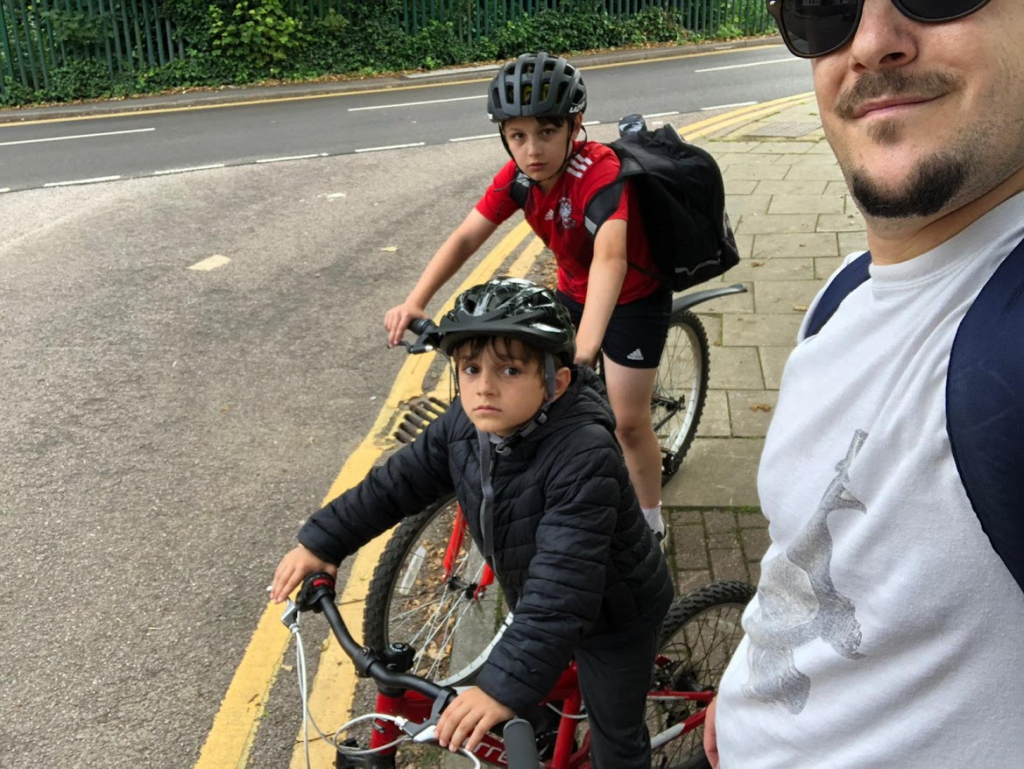
Once your child is ready, they can transition to a pedal bike without stabilisers, which promotes full independent riding, develops advanced coordination and improves motor skills.
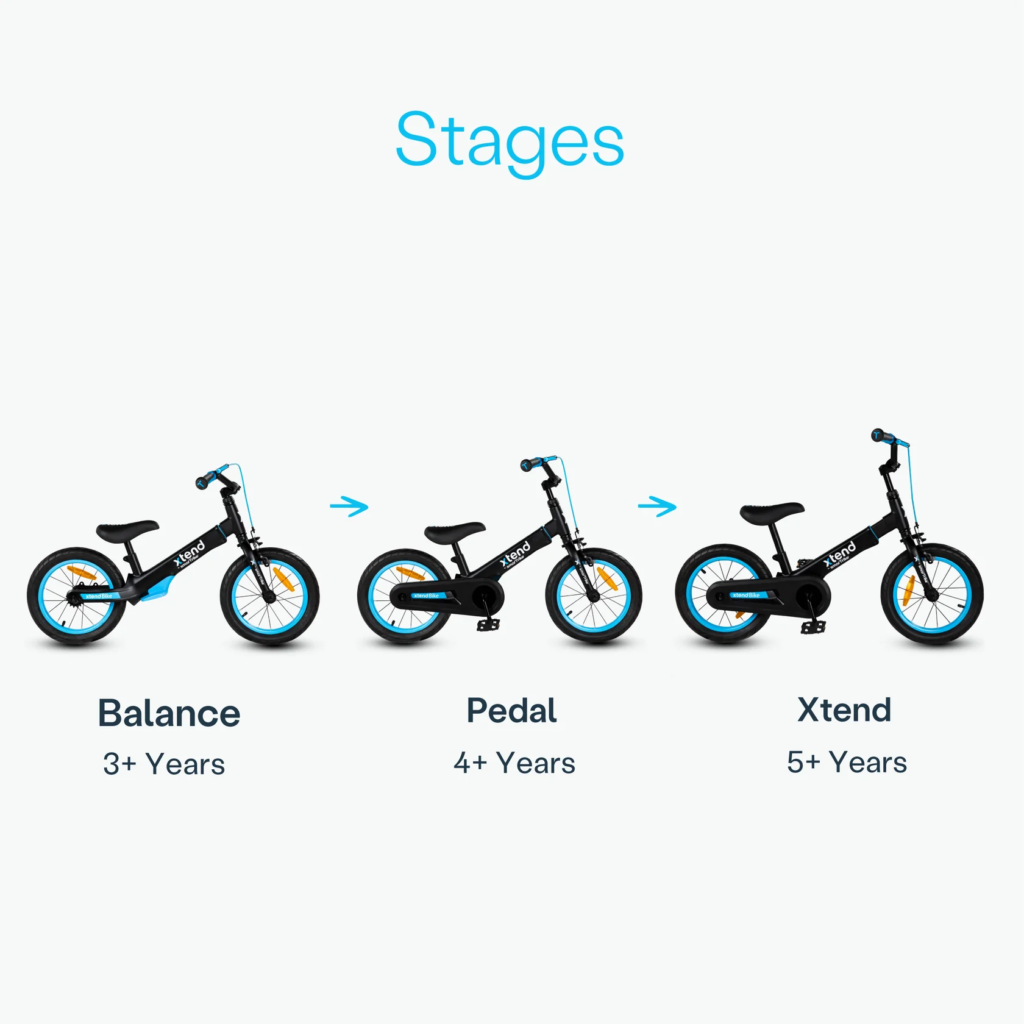
The Xtend bike is a fantastic option here because it’s designed to grow with your child, transforming from a balance bike into a pedal bike. This adaptability not only saves you from buying multiple bikes over the years but also supports your child through each learning phase. If you’re browsing for a transition bike for sale, consider the Xtend for its adjustable features, making it perfect for those moving from a balance bike to more complex biking adventures.
What are the three main steps of riding a bike?
Learning to ride a bike involves several stages, but it can be distilled into three main steps to help your child transition from beginner to confident rider. Let’s go through these stages now:
1. Learning to balance
Balance is the key component for riding a bike, so it must be taught first. Before introducing pedals, help your child get a feel for how to balance on two wheels – a balance bike, as opposed to a bike with training wheels, is preferable as it naturally teaches your child to manage their body’s position and momentum.
Help your child use their feet to push off the ground to move forward and stay upright while the bike is in motion. They should learn to do this on different terrains and eventually, they will naturally start to glide longer distances as they gain more confidence in staying upright.
2. Transitioning from balance bike to pedal bike – mastering pedalling and steering
After your child has mastered balancing, the next skill is to learn pedalling, along with steering the bike at the same time. They can coordinate these two actions with the help of training wheels. Stabilisers can help your child learn how to pedal without having to balance the bike, although this is not the preferred option as balance is still a foundational skill to learning how to bike independently.
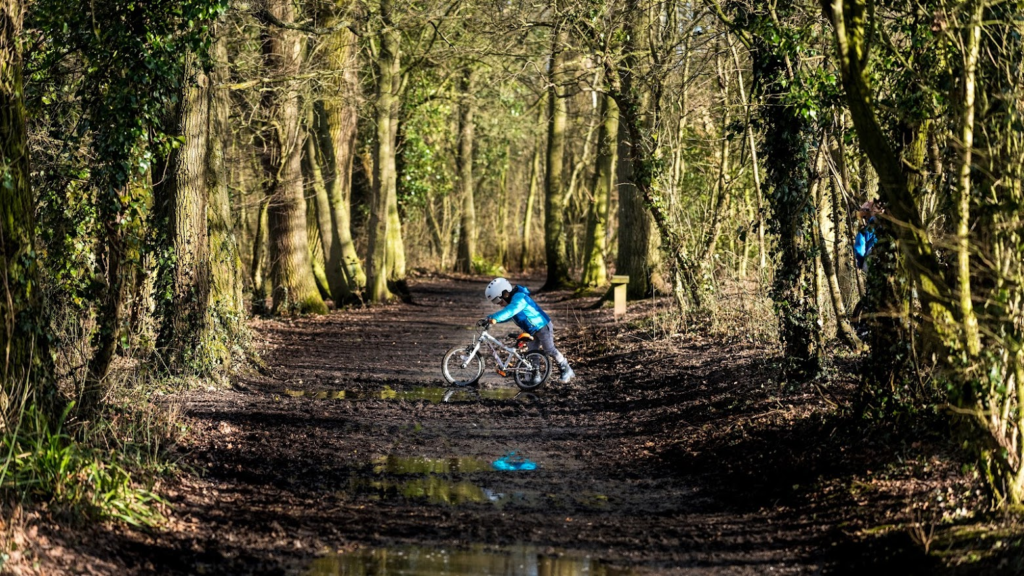
Ensure you get the right bike size, so your child can comfortably reach the pedals and handlebars when learning. Start by helping them steer, then slowly transition the control to them as they become more comfortable with pedalling. Also, some kids skip out stabilisers altogether like my second who had a natural affinity for bikes. However, some kids need a little more time to get used to balance and that’s ok. The key is not to rush.
When you feel like they have got the hang of pedalling and steering and when your child consents to being ready, you can remove the training wheels and try again with the same motions until your child is confident enough to allow you to step away.
So, now your child can steer and they can pedal, which is great. But this is not the final tick in the box. Your child should learn how to control, brake and navigate the bike effectively so they can stay safe on the bike, which brings us to Step 3!
3. Stopping and navigating
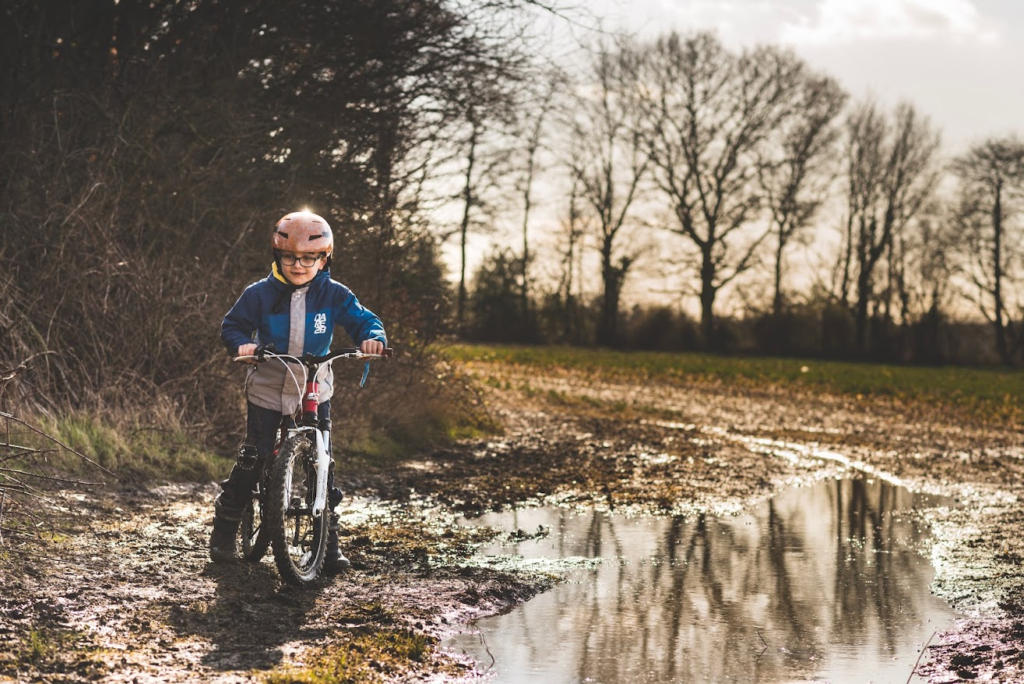
The final step in learning to ride a bike is mastering safe stopping and navigating surrounding obstacles. Your child will need to learn how to use their brakes properly and turn the bike left and right around obstacles.
Start by introducing how the brakes work, showing them gentle presses and then progressing to firmer braking to show them how to stop the bike. As they gain confidence, you can go from practising in a safe and flat area away from traffic, like a park, a quiet street, or even your garden, to setting up a small obstacle course or using a safe path to practice manoeuvring and braking in different situations.
The importance of picking a bike that grows with your child
Choosing a bike that grows with your child means you can save money by not buying multiple bikes over the years and your child can continue to ride the same bike. This massively simplifies the learning process and your child can feel comfortable and confident on the same bike.
The SmarTrike Xtend Bike grows with your child
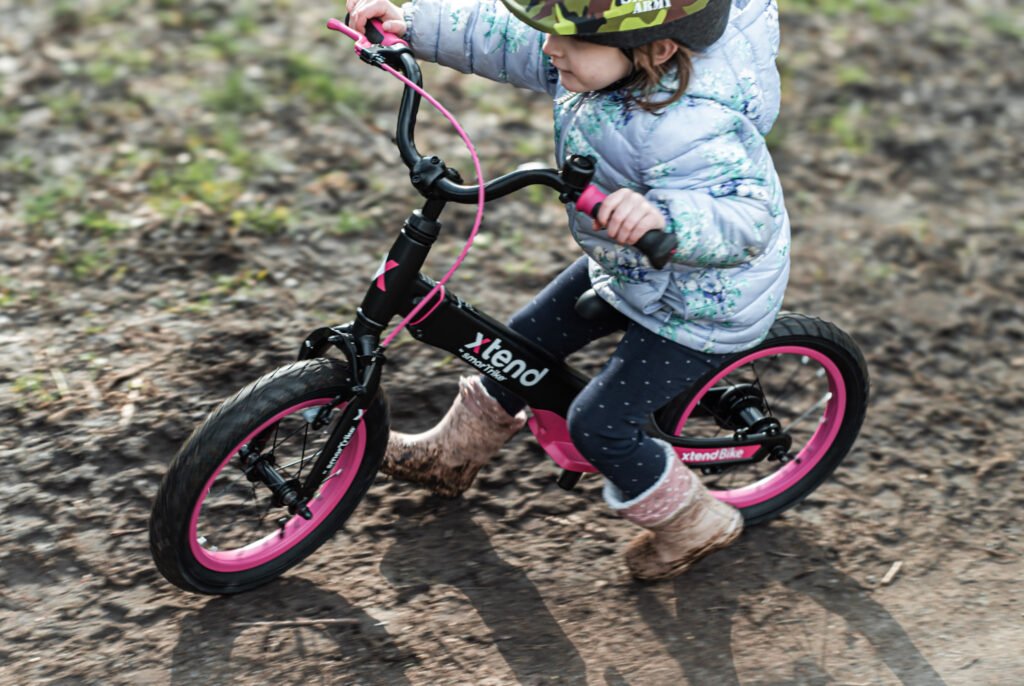
The Xtend bike carries all these advantages through its versatile design. It initially serves as a balance bike then transforms into a pedal bike as your child’s skills develop. This adaptability extends the lifecycle of the bike, making it a cost-effective choice for parents. Plus, the Xtend line is super environmentally friendly since it reduces waste and the demand for new products.
Our daughter absolutely loves her new Xtend Bike. The colour is attractive (you can also opt for a blue version) and it’s really easy to assemble and place the pedals on when the time comes. The bike’s body can also be extended as our daughter gets bigger. We can’t believe how quickly she got the hang of the balance bike! We think she’d be ready for pedals any day now.
Bike safety rules all kids must know
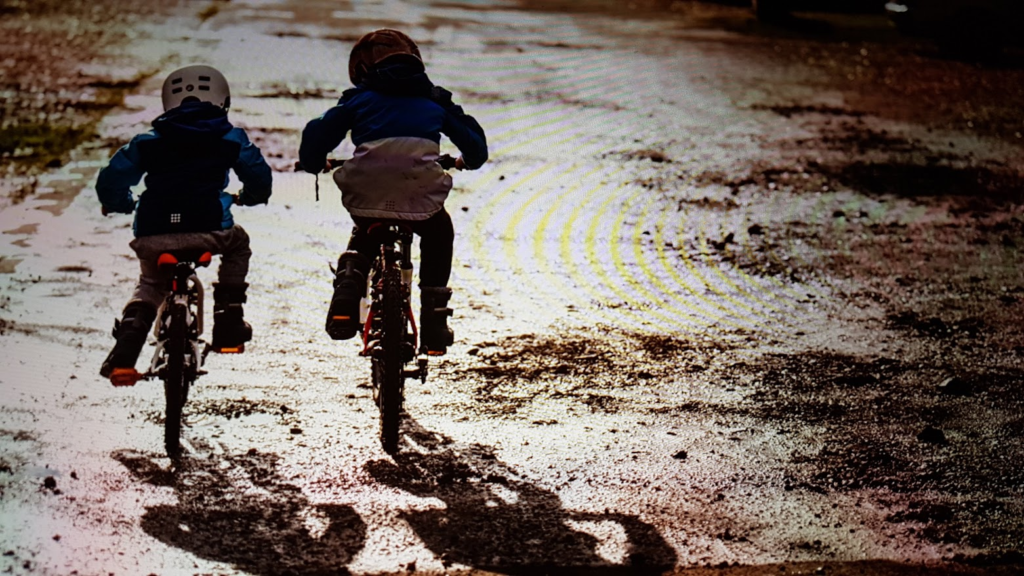
Now your child can ride their bike like a champion! However, we’re not stopping there.
While biking for kids is a pastime children of all ages can enjoy, it can be a dangerous one if we don’t learn the proper bike safety rules. Even today, cyclist injuries and fatalities continue to climb.
So, the best way to reduce the chance of an accident is to teach your child proper bike safety habits and basic safety rules when cycling as a family.
Here are eight essential bike safety tips that will help your child become safe, responsible cyclists.
1. Bicycle safety for kids – wear a helmet at all times

One of the biggest dangers of riding a bicycle is sustaining a head injury. As per a report from the Governors Highway Safety Association, 54% of cyclists killed in 2015 were not wearing helmets.
One of the very basic rules of bike safety for kids is to wear a helmet. Your child must wear their bike helmet whenever they intend to ride their bike, which should be properly seated on their head and buckled underneath the chin. When I see a kid cycling without a helmet it makes me recoil because the likelihood of fatal impact is doubled if not tripled if they don’t wear a bike helmet.
Check out some great helmets for kids on Amazon here*

AKASO K1 Kids Bike Helmet- Toddler Bike Helmet Adjustable from Toddler to Youth Size, Ages 1-8 – Buy from Amazon here*


Mongoose Childrens-Bike-Helmets Outtake/All Terrain Helmet – Buy from Amazon here*
It’s also highly important that your child is equipped with a bicycle helmet that fits well. A well-fitting helmet won’t rock back and forth on the child’s head or obstruct their vision. Rather, it will fit snuggly (but not uncomfortably). Allow for roughly two finger-widths between the eyebrows and the brim for a proper fit.
Check out why it’s important for kids to exercise outdoors all-year round
2. Dress in bright, reflective, well-fitting clothing

Clothing plays a critical role in child bicycle safety. First, your child should wear bright, reflective clothing that other cars can easily see and identify.
It’s equally important to choose clothing that fits well. Baggy clothing—particularly pants, jeans, and bottoms—can get caught in the bike’s tyre spokes, as can shoelaces. While your child should always wear closed-toe shoes, you should ensure those shoes either have no laces or are properly tied before riding.
3. Learn how to use hand signals
All cyclists, regardless of age or experience level, should learn all of the hand signals needed to responsibly share the road with other vehicles.
With just three hand signals, your child will be able to make the majority of manoeuvres safely:
- Bend left arm down at the elbow to indicate a stop.
- Bend left arm up at the elbow or extend right arm to indicate a right turn.
- Extend left arm straight out to indicate a left turn.
4. Never ride at night
45% of all cyclist fatalities occur in dark conditions, and the hours between 6 PM and 9 PM account for more cycling fatalities than any other time of day.
Therefore, it’s wise to avoid riding a bike at night altogether. Despite your child’s best efforts to be visible to traffic, the reality is that drivers can’t always spot objects that are without headlights or taillights.
5. Never wear headphones while riding
When riding a bicycle, your child’s sense of hearing is almost as important as their sense of sight.
While it may be tempting to choose a soundtrack to accompany a scenic bike ride, it’s never a good idea to wear headphones while riding. Listening to music often prevents the child from hearing the sounds of busy traffic, car horns, and other audible warnings. In addition to these precautions, it’s also best to consult experts like HearCanada to do the occasional checkup on your child’s overall hearing health.
6. Ride on the sidewalk when possible

Typically, major roads will be equipped with bike lanes or shoulders that cyclists can use to get from one point to the next safely; yet it’s not uncommon for a driver to veer outside their lane and infringe on the space that a cyclist is using.
For this reason, it’s important that cyclists—particularly children—always choose the safest lane for riding. In many cases, this would happen to be the curb.
Teach your child to opt for the sidewalk whenever one is available. This will help them avoid most potential collisions with vehicles.
7. Keep an eye out for cars in driveways
Quiet neighbourhoods can often be as dangerous as main roads due to one particular factor—driveways. Some parked cars may suddenly veer out and drivers are notorious for backing out of their driveways before ensuring the space behind them is entirely clear.
As small children might not always be visible, teach them to be aware of traffic and watch out for other cars whenever they take their bikes onto the street.
8. Check each way at an intersection

When reaching an intersection, teach your child to make a habit of looking each way—multiple times if necessary—before riding through or turning through an intersection.
Observe stop signs and safety rules on the street before continuing to ride once you leave the intersection.
Of the bicycle accidents that involve collisions with vehicles, 45% take place at intersections. Teaching your child to be disciplined in this area could end up saving their life.
Final thoughts
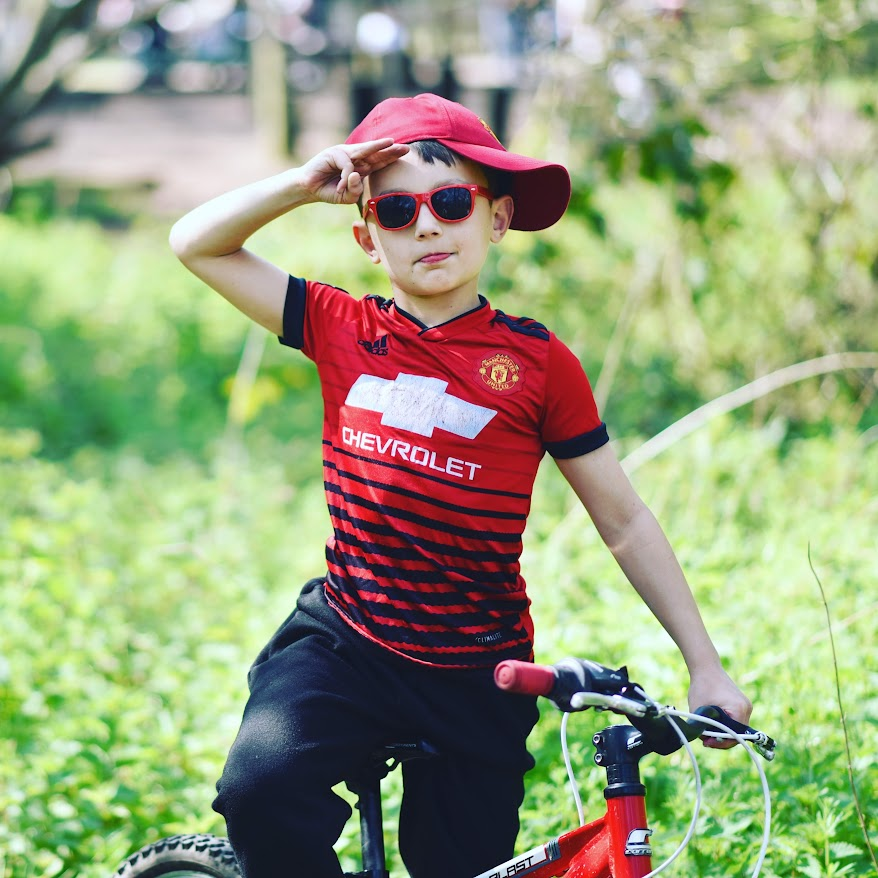
Riding a bike is not just a fun activity, it’s a rite of passage for many kids because it offers them a taste of freedom and responsibility. It’s a fantastic way to encourage outdoor play, physical exercise, and even a sense of independence. The right bike can make all the difference in how easily your child learns and how much they enjoy the experience.
We love the Xtend bike because it will be with our daughter for a good few years. And, as it starts as a balance bike, she can enjoy using it now until she is confident enough to add the pedals. We don’t have to buy a new bike with every growth spurt either because the body of the bike extends as she grows too.
If you want to check out the Xtend bike yourself, visit smarTrike’s website here for more information. Whatever you choose in the end, please get your child on a bike and allow them to enjoy one of life’s great pleasures. Now we have family bike bonding trips which not only saves money but ticks the outdoor exercise box and gets them off the screens too! Win-win for all ages.
FAQ
When should you teach your child to ride a bike?
- At what age should children learn how to ride bikes without training wheels?
- What age should you teach your child to ride a bike?
- At what age is it safe to let your child ride a bike without training wheels?
- What age should a child ride a bike without stabilisers?
Children are ready to ride a bike without training wheels between the ages of 5 and 7, but this can vary based on their physical coordination, confidence, and development. You can start teaching your child to ride a bike as early as 2 or 3 years old with a balance bike, even younger as my boys started from 18 months! Transitioning to a pedal bike usually happens around 3 to 6 years old.
Safety to ride without training wheels can begin around 5 to 7 years old, once the child demonstrates balance, adequate motor skills, and confidence. Most children are ready to ride without stabilisers (another term for training wheels) by age 5 to 7, depending on their individual development and previous biking experience.
Who can teach my child to ride a bike?
- Can I pay someone to teach my child to ride a bike?
- How do you teach your child to ride a bike?
- How can I teach my child to ride a bike?
Yes, there are professional instructors and biking schools that offer lessons for children. This can be a great option if you want a structured learning experience for your child. Start with a balance bike to develop their sense of balance. Once they are comfortable, transition to a bike with pedals, practicing in a safe, flat area. Support them by holding the back of their seat to help them feel secure as they learn to pedal and balance.
Parents or guardians usually teach their children how to ride a bike. If you’re not confident in doing so, or if your child responds better to instruction from others, it’s possible to hire someone. Look for local cycling classes offered by community centers, bike shops, or recreational programs, which often provide professional instructors.
What is the best way for a child to learn to ride a bike?
- How should a beginner learn to ride a bike?
- How do you teach a child to ride a bike without training wheels?
- How do you teach a toddler to ride a bike?
- How do I teach my child to ride a bike without stabilisers?
For Beginners: A beginner, especially a young child, often starts with a balance bike, which teaches them steering and balance without the complexity of pedals. As they gain confidence, they can transition to a bicycle with pedals, initially with training wheels to get accustomed to pedaling and braking.
Without Training Wheels: To teach riding without training wheels, begin in a safe, flat area like a park or a quiet street. Hold the back of the seat to help balance as they pedal, gradually releasing your grip as they feel more comfortable. Encourage them to look forward, not at the pedals, and to keep pedaling to maintain balance.
For Toddlers: Start with a tricycle or a balance bike to introduce them to the concept of riding. These bikes are low to the ground, providing a safe platform for them to learn balance and motor skills. As they grow, transition them to a larger bike with training wheels for continued learning.
How to teach your child to ride a balance bike?
- How do I teach my child to ride a balance bike?
Introduce the balance bike in a fun, stress-free way. Ensure the bike is the correct size, allowing the child to stand with both feet flat on the ground. Encourage them to walk with the bike first, then to run and glide. Make sure to choose a safe environment with a gentle slope to make gliding easier as they progress.
How to teach your child to ride a bike with stabilisers?
- How to teach your kid to ride a bike in 5 minutes
- How to teach a 4 year old to ride a bike with training wheels
- How to teach a 3 year old to ride a bike with training wheels
- How do I teach my 7 year old to ride a bike
Start by ensuring the bike fits the child properly. They should be able to sit on the seat and touch the ground with their feet. Teach them to pedal forward first, then how to brake. Always start on a flat, open area to practice. As they become more confident, you can introduce steering and turning. Remove the stabilisers once they are comfortable pedaling and braking.
What is the definition of road safety?
Cambridge dictionary defines road safety as:
“Teaching people how to behave safely when driving or crossing the road.”
When riding bikes with a child is it safer to stay in front of them or behind them?
It is safer to take up a position behind them so you can supervise what they do. If there are two adults in a group, then have one at the back and one at the front so both can keep kids cushioned in a safety net while on the road.
What are the pros of cycling? What are the cons?
Pros
- Biking is a fantastic form of exercise for kids of all ages
- Biking helps the environment because you’re not using a car or public transport
- It’s a great way to commute
- Biking helps you enjoy the great outdoors
- It’s a great way to bond with family and friends
Cons
- Biking makes you sweaty
- Biking restricts your wardrobe
- You can’t bike when the weather is particularly bad
- Biking can be dangerous if you don’t follow road safety rules
What are the advantages to having two wheels at the front instead of the back on a three-wheeled vehicle?
Two wheels at the front and one wheel at the back improves aerodynamics and the manoeuvrability of the bike. However, it depends on the structure of the bike. Speak to a professional bike dealer for more information.
Riding a bike is one of the most effective ways to encourage children to get some great exercise, but it can be dangerous if you don’t follow bicycle safety rules. Instilling bicycle safety tips in your child early on can ensure they have a long and enjoyable experience biking throughout their lives.
Enhance their learning through bike safety worksheets they could complete. They could put up a bike safety poster in their room so they don’t forget the rules, or they could attend a children’s bike safety presentation so they know the rules for bicycling for kids. You can find lots of free bicycle safety materials online.
*Links marked with a ‘*’ are affiliate links or gifted, but all thoughts are 100% my own. As an Amazon Associate, I earn from qualifying purchases