little ones, big fun
The amazing benefits of outdoor games for kids all-year around
Do you remember back in the day (around twenty to thirty years ago) when smartphones and tablets didn’t exist and the only way to keep you occupied during the school holidays was to knock for your friends or search for them at the local park or playground?
Do you remember ever being indoors during the holidays, only heading back home in time for tea, which would generally be at around 5 pm and then, before you knew it, it was bedtime? No talk of the benefits of outdoor games. We just went out.
It was such a magical time, wasn’t it!
Fast forward to the present day and life has changed drastically. We are now living deep in the throes of the digital age, so instead of knocking on your friends’ door to find out whether they’re in, you can now send a WhatsApp message on your device or slide into their DM’s. And, instead of searching for them at the local park or playground, you can now stalk them on social media or call them to find out where they are.
Now you don’t even need to leave your couch to occupy yourself. You can play a game on the smartphone/console or watch a Netflix show on the tablet. And, you do not know what time it is because you haven’t been out all day.
Welcome to our kids’ lives. Frankly, I find it depressing.
With an average of 18.6 hours spent on screens as opposed to 10.7 hours played outside each week[1], this new world is causing an epidemic of obesity, mental health and sleep problems in our children. The American Academy of Pediatrics say children are simply not getting enough outdoor physical activity to counteract this new form of indoor living where screens take up a predominant amount of their time every day. In America, five to eight times as many high school and college students have been diagnosed with major depression or anxiety disorder as fifty years ago.[2]
But, if the kids are spending time indoors, who are using the parks and playgrounds?
In 2016 the Association of Play Industries (API)[3] researched the state of England’s parks and playgrounds and discovered that during 2014/15 and 2015/16 local authorities across England closed down 214 children’s playgrounds with plans to close more.
That’s not all.
- In 2016/17, local authorities closed another 63 playgrounds and in 2017/18 a further 70 were closed.
- There will be a decrease in spending on playgrounds of over £13 million each year on average across England
- By 2020/21, there was a decrease in spending on play facilities by almost half! (44%) – that’s around £25 million
API know how fundamental play is for children, especially in early childhood, and how necessary it is for natural health development, not just for burning calories, but for nourishing the mind and soul as well. So, inevitably this rapid decline in playgrounds is having a counterproductive effect on our children and taking away vital active play opportunities, i.e. play areas or parks with playground features, which is what is leading the rise (along with increased screen time) in obesity, mental health and sleep problems.
“Something we all took for granted – safe, local and free spaces in which to play – is disappearing. Our latest research shows a very worrying picture indeed, and unless action is taken now, it seems we are in danger of losing playgrounds. Let’s not forget that when a playground is neglected and closed, it is often lost forever.”Mark Hardy, API Chair
Knowing there is a link between the rapid decline of outdoor time, parks with playgrounds and children’s health problems, API took it further and commissioned Mumsnet – the UK’s biggest website for parents – to survey 1,111 parents with children aged between two and twelve years old to find out what they thought. The results are even more harrowing than you think!
It turns out that 72% of parents with children who suffer from health issues like obesity agree that the lack of outdoor play facilities in their area has played a role in their children’s problems. And, over a quarter of parents who have children with mental health problems also believed this was down to the lack of parks and playgrounds. The shortage of play facilities also plays a part in sleep problems says 26% of parents who were surveyed.
“Most of the parents surveyed say that playgrounds are vital for getting children outdoors and active again. The overwhelming majority of UK children live in urban areas. For these children, and particularly those in the most disadvantaged areas, public playgrounds are their only chance for play.”Mark Hardy, API Chair
The playparks that are open are being vandalised!
A new report, according to the new Freedom of Information data gathered by Aggregate Industries, the UK’s leading manufacturer and supplier of sustainable construction and building materials, shows the local authorities have received 28,734 reports of vandalism on their playparks over the last five years, with fees for the maintenance of UK playparks topping £290 million at that time.
“Outdoor play provides opportunities in terms of exploring different emotions, feelings, and movements with your body and your mind.
It’s about playing with excitement, thrill, and fear. Our research proposes that having those opportunities helps to prevent mental health problems in children (even as young as toddlers), particularly anxiety and depression.
It’s problematic if children don’t have a place to go to play that’s safe. Playgrounds have a very important role, as they are the number one place for children to play when they’re not home.
If we take them away, we remove opportunities, and as a result what we get are children who stay indoors more, who are less physically active, who get less vitamin D, and are missing out on those opportunities to learn about uncertainty, risk, challenge and things they might experiment with at playgrounds.
They’re also missing out on opportunities to make new friends, socialise, and feel connected with other people in their area.”
Dr Helen Dodd, a Professor of Child Psychology at The University of Exeter
Play Must Stay Campaign
API then created a campaign called #PlayMustStay, which called for urgent investment in playgrounds before they disappeared forever. As this is a national crisis that affects us all, the decrease in spending on play facilities will end up costing the taxpayer more money in the long term because of the significant impact on children’s physical and mental health. In short, if we cut outdoor play now to save money, we will end up paying more in medical costs later.
So, are the local authorities cutting their nose off to spite their faces?
“If we continue with the rate of decline, outdoor playgrounds will become out of reach for the majority of children, which will make for a duller, less healthy childhood for generations to come… The government needs to respond urgently to this latest data.”
Labour MP Chris Leslie
The Mail on Sunday further investigated this decline in playgrounds and found that nearly two playgrounds a week fall victim to neglect, vandalism and property developers. So they created their own campaign, ‘Save our Parks’ which attracted lots of support from leading political figures and members of the public who are now endorsing the demand for new rules to be put in place to protect council-run parkland.
“This comes at a time when we have the least physically active generation of children ever when our focus should be on encouraging our children to play out, not less.”
Anne Longfield, The Children’s Commissioner.
So, what can we do now?
API’s Play Must Stay campaign launched on 4 August 2019 and quickly gained traction amongst parents and leading figures in the industry who are now standing up against local authorities to aid prevention of closing down our local parks and playgrounds.
“Parks are the beating heart of communities, and I am clear they should be protected. We have set up an action group to develop practical solutions to the issues facing our parks.”
Communities Secretary James Brokenshire
I joined the campaign with my two boys who were then aged seven and eight years old, and set up a summer challenge to keep them outdoors and off the screens. We frequented as many of our local parks and playgrounds as we could muster, all while I was heavily pregnant with my third baby. I won’t lie. I was worried – nay, petrified – at how I was going to entertain the boys during the summer, especially as I couldn’t move as fast as the boys desired. But we did it (with a bit of help from football camp and our beautiful local parks and playgrounds). I documented our journey via social media, which you can find on Instagram under the highlight ‘#PlayMustStay’.
“Parks are the beating heart of communities, and I am clear they should be protected. We have set up an action group to develop practical solutions to the issues facing our parks.”
Communities Secretary James Brokenshire
Our summer journey outdoors
We headed out early and came back late almost every day during the summer and after just a few short days, our evenings had transformed from a constant uphill battle to get them to bed before 9 pm to calm dinners, FAR less screen time and bed by 8 pm, with little to no tantrums. I never thought I could tire my kids out, but a combination of football camp, soft play during the rainy days, activity books and visiting our local parks with playgrounds resulted in much more emotionally stable children with exhausted energy that made them feel more at ease with themselves.
They also requested the TV and phone far less and even though it was harder for me to find the will to get out of the house, I was paid in dividends later in the evening. I got my ‘me’ time back, so I could rest and do what I wanted for a change without having to deal with moaning children coming down every five minutes, and then finally passing out from exhaustion.
You can view the full video over on YouTube of the API campaign and our summer journey through our local parks with playgrounds below:
Where did we go?
Phillimore Park, Radlett
Aldenham Country Park, Aldenham
Harwoods Adventurous Playground, Watford
Verulamium Park, St. Albans
Shenley Park, Shenley
Canons Park, Stanmore
But, for some parents, parks and playgrounds are not accessible
However, it’s not always so simple to visit your local park. As mentioned above, our closest park is a twenty-minute walk away and so this means I can’t always take them to the park even though I wish I could. And even though we have a car, parking can be difficult, especially during peak times. But for some parents who don’t have a car or can’t get to a park, how do they burn their kids’ energy if there is no exposure to a park close by? Some don’t even have a sidewalk to draw with chalk!
If parks and playgrounds are not accessible, then many parents don’t have the chance to take their kids out, so their kids end up staying indoors. And to cut a break and have some peace (or get things done), sometimes the screen is all that’s available for them. Half of the parents surveyed said their child prefers screen time over other activities and parents found it difficult to persuade their child to leave the screen.
It’s important to express that I am not judging any parent for their choices because we are all in the same boat. Life has thrown us a myriad of tasks, and we have to be all things to all people at all times. We’re homemakers, cooks, workers, friends, confidants and project managers, so sometimes it’s just easier to take a few minutes to a few hours’ break. And so we should support and not judge each other for the choices we make.
What happens from here on? The importance of outdoor play for kids
We need to urge the local authorities to stop closing down parks and playgrounds and to increase their spend, so kids can have their unstructured outdoor play, which proves to be more beneficial physically and mentally than structured play. We need investment in public playgrounds before they disappear for good and we need an appointment of a dedicated Cabinet Minister for Children & Young People to lobby for investment in playgrounds (via the Children First Alliance).
Playgrounds are not a luxury – outdoor play benefits our children and playgrounds are a unique and essential resource for developing our children’s physical and mental health. If a playground is gone, it’s gone for good, and so a relatively modest government investment now will pay huge dividends for our future generation.
I spoke about the dangers of closing down parks and playgrounds on BBC Radio London with Jason Rosam, please check out the clip below:
What about during the winter? What are the benefits of outdoor play in children’s development during the colder seasons?
During winter, the situation is worse because the usual notion is for families to hibernate indoors and come out again in the spring when the weather picks up. And we have Christmas and rising playground closures which keep us at home. Studies have shown that outdoor activities that encourage kids to exercise during the colder months help to ward off seasonal bugs and ailments more efficiently, and it keeps kids’ mental health in check too.
When I was younger, my mum used to keep me and my three siblings wrapped up and indoors during the cold season, and we ended up getting sick every time. I passed this mentality onto my kids, and I wrapped them up until they were sweating. This was terribly counterintuitive because they ended up getting sick too. One day, my then four-year-old decided he didn’t want me to drive him to nursery anymore and threw temper tantrums until I agreed we’d walk. I thought to myself, why am I fighting a child who wants to walk the twenty-five minute journey to nursery and back every day?
“Ok, let’s walk! It’s freezing, but come on, you can experience getting sick for yourself then!”
So, we walked every single day, even during the harshest of weather in February. And, guess what? We didn’t get sick! We didn’t even have the sniffles. So, my 4-year-old had single-handedly changed my opinion of the cold. It’s not the cold that gives us the cold, it’s the bugs that surround the air and the fact that we are not equipping our bodies with enough immunity to fight off the germs. So, eating a healthy diet, getting in plenty of heart-pumping exercise, fresh air, and lots of sleep boosts immunity and wards off these winter bugs (and, of course, getting the flu shot).
It was then I realised that outdoor activities that get the young children exercising during the colder months were more beneficial to their physical and mental development than keeping them wrapped up at home. So, play facilities were just as important – if not, more important during the winter too!
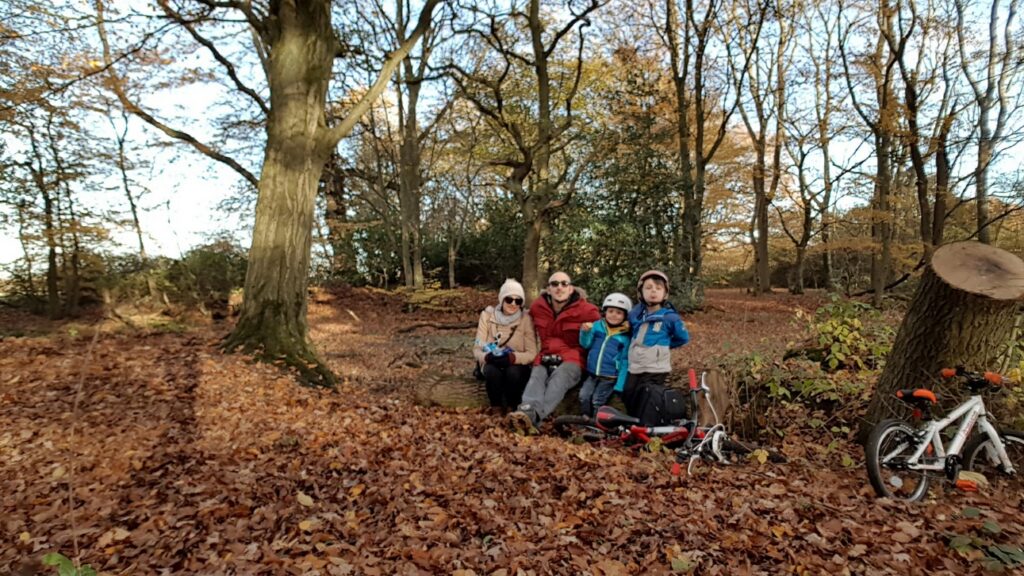
More often than not, it is us parents who are the ones that:
- Don’t want to go out in the cold.
- Don’t want to get wet
- Worry about our kids catching a cold
- Want to crawl under the duvet and watch TV.
- Watch the rain from indoors
- Worry about getting dirty
- Want to hibernate and be lazy
When my children were four and five, I made a concerted effort that unless anyone of us was ill, I would push those above thoughts to the back of my mind and attempt to go out with them for various reasons, some of which are:
- I didn’t want them to get used to staying indoors just because the weather had turned
- I didn’t want them to get addicted to screens
- I wanted them to have a proactive attitude
- Keeping them on the screens was actually worse for my sanity because of the way they would act after they’d been on the screens, i.e anxious, angry and ready to fight!
- I would get a better night’s sleep if I burned their energy – and ‘me’ time a lot earlier in the evening!
- My boys would strengthen their immunity by being outside and exercising
- We would all feel less scared of harsh weather.
- We all got to try new things.
- They would enjoy nature for what it is and prefer to be outside rather than indoors and on the screens. Plus adventure is so good for you!
But why take them out during the winter?
There are a multitude of benefits of outdoor play for kids and encouraging them to use the playground equipment all year round. There are literally over 10 benefits of outdoor games for kids, here are some:
- Social development benefits of outdoor play – it fosters relationships, communication skills and social skills, which boosts mood
- Physical development benefits of outdoor play – it increases physical exercise, which builds a stronger immune system
- It refreshes the mind
- The benefits of playing outdoor games for Children – sunlight and fresh air resets the biological clock
- Emotional development benefits of outdoor play – it increases cognitive and emotional development
- Why outdoor play is important – it improves sensory skills in their surroundings
- Intellectual development benefits of outdoor play – it increases attention spans (it has also been known to aid symptoms of Attention Deficit Hyperactivity Disorder (ADHD))
- The importance of playing outside – it develops immunity and sunshine is literally good for the bones
- Mental health benefits of outdoor playtime – it promotes happiness
- It encourages creativity
- It develops both gross motor skills and fine motor skills, i.e. hand-eye coordination and agility
- It promotes independence
The benefits of outdoor play on children’s development isn’t exhaustive. There are so many more reasons why outdoor play helps children and is so beneficial to their development, yet the government are trying to save money by decreasing their spend on our parks and playgrounds by around £25 million per year.
“They would enjoy nature for what it is and prefer to be outside rather than indoors and on the screens.”
This last statement was in fact what drove me to ‘make the sacrifice’. As I researched more into the effects of screen time and how discretionary screen time can be just as addictive as drugs and alcohol, I thought it was best I start them young, so when they got to 10 and 12 years old they wouldn’t become one of those statistics who preferred screen time to outdoor play. So far so good, but for how long? So, this project was all about just getting them out, even though sometimes we all didn’t want to.
But why take them out during the winter?
More often than not, it is us parents who are the ones that:
- Don’t want to go out in the cold.
- Don’t want to get wet
- Worry about our kids catching a cold
- Want to crawl under the duvet and watch TV.
- Watch the rain from indoors
- Worry about getting dirty
- Want to hibernate and be lazy
When my children were four and five, I made a concerted effort that unless anyone of us was ill, I would push those above thoughts to the back of my mind and attempt to go out with them for various reasons, some of which are:
- I didn’t want them to get used to staying indoors just because the weather had turned
- I didn’t want them to get addicted to screens
- I wanted them to have a proactive attitude
- Keeping them on the screens was actually worse for my sanity because of the way they would act after they’d been on the screens, i.e anxious, angry and ready to fight!
- I would get a better night’s sleep if I burned their energy – and ‘me’ time a lot earlier in the evening!
- My boys would strengthen their immunity by being outside and exercising
- We would all feel less scared of harsh weather.
- We all got to try new things.
- They would enjoy nature for what it is and prefer to be outside rather than indoors and on the screens.
But why take them out during the winter?
There are a multitude of benefits of outdoor play for kids and encouraging them to use the playground equipment all year round. There are literally over 10 benefits of outdoor games for kids, here are some:
- Social development benefits of outdoor play – it fosters relationships, communication skills and social skills, which boosts mood
- Physical development benefits of outdoor play – it increases physical exercise, which builds a stronger immune system
- It refreshes the mind
- The benefits of playing outdoor games for Children – sunlight and fresh air resets the biological clock
- Emotional development benefits of outdoor play – it increases cognitive and emotional development
- Why outdoor play is important – it improves sensory skills in their surroundings
- Intellectual development benefits of outdoor play – it increases attention spans (it has also been known to aid symptoms of Attention Deficit Hyperactivity Disorder (ADHD))
- The importance of playing outside – it develops immunity and sunshine is literally good for the bones
- Mental health benefits of outdoor playtime – it promotes happiness
- It encourages creativity
- It develops both gross motor skills and fine motor skills, i.e. hand-eye coordination and agility
- It promotes independence
The benefits of outdoor play on children’s development isn’t exhaustive. There are so many more reasons why outdoor play helps children and is so beneficial to their development, yet the government are trying to save money by decreasing their spend on our parks and playgrounds by around £25 million per year.
“They would enjoy nature for what it is and prefer to be outside rather than indoors and on the screens.”
This last statement was in fact what drove me to ‘make the sacrifice’. As I researched more into the effects of screen time and how discretionary screen time can be just as addictive as drugs and alcohol, I thought it was best I start them young, so when they got to 10 and 12 years old they wouldn’t become one of those statistics who preferred screen time to outdoor play. So far so good, but for how long? So, this project was all about just getting them out, even though sometimes we all didn’t want to.
How to encourage kids to play outdoors
There was a picture on Facebook of a child wrapped up to the nines; hats, wellies, scarf, you name it, with a caption that read:
“Don’t keep me locked up in winter. Wrap me up and take me out because I need to play outside.”
Kids don’t think like us. They don’t care about the weather the cold or the mud. Kids play outside because they want to. If you encourage your child to take their eyes off the screens for just a moment to witness the world they’re missing, then they may just become more positive about venturing outside. But, how do we take the plunge and make this first step?
Benefits of playing outside – Start with taking them to the park, even in the winter!

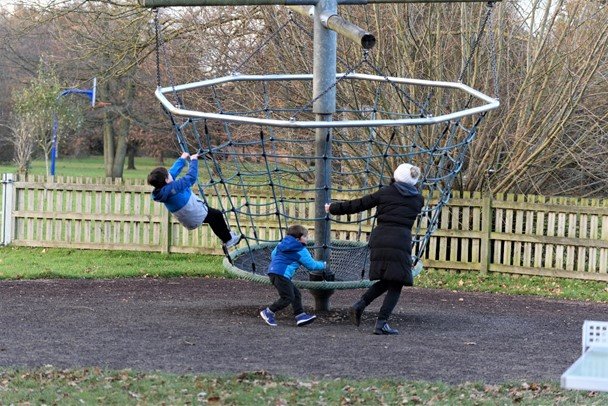
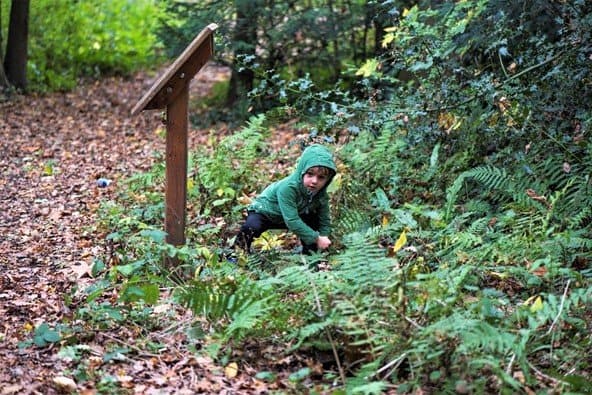
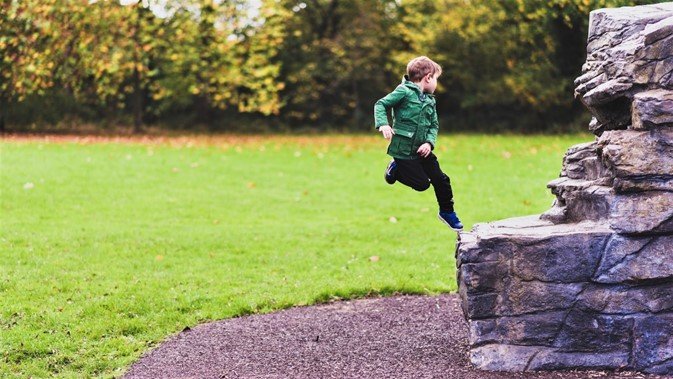
To start the process of screen time detoxing, rather than venturing around all the parks as we did during the summer project, we frequented our two favourite parks, Canons Park and Phillimore Park.
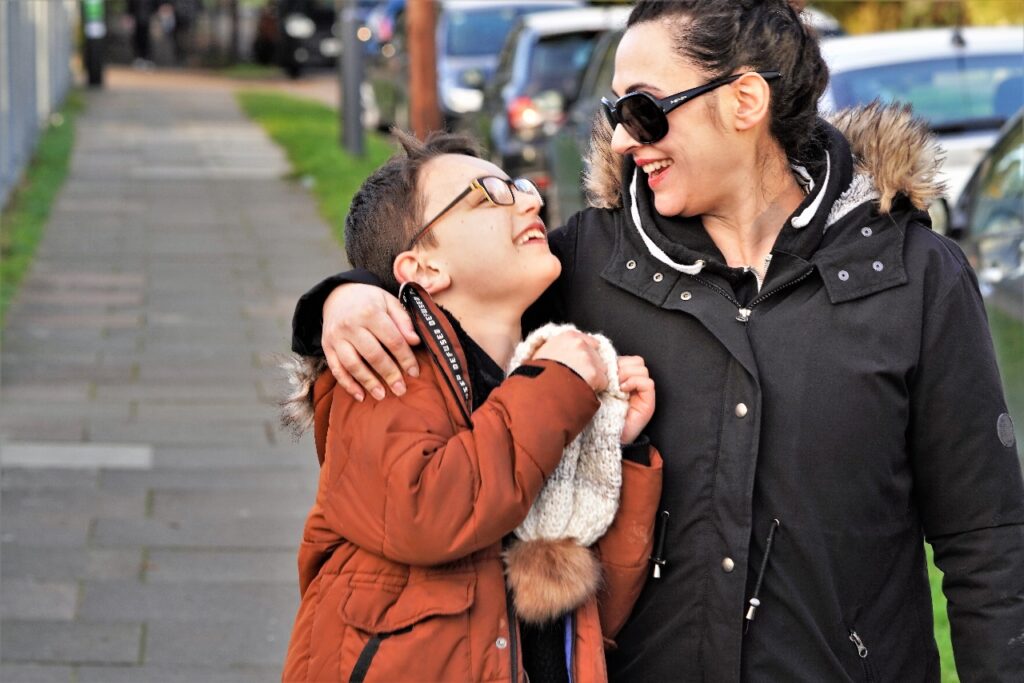
When the boys were at school, me and my little girl walked around our local area, taking in the beautiful greenery, especially during our walks to her baby classes.
For Children’s Mental Health Week, I posted a video about how the boys and I felt rubbish after catching a cold. So, one Saturday morning, instead of staying at home and watching TV under the duvet, I got the boys out to the park and we played football for the first time in AGES. It was one of the most fun days I’ve had playing outside with them.
Soon after my kids got home, they told me that:
“Playing football with mummy was the best time outdoors we’ve had in ages!” and they…
“… would rather spend time playing outdoors with mummy than go on YouTube.”
Mumsnet’s survey found that parents of boys found it more difficult to persuade their child to get off the screen and spend time outdoors and that parents with children aged eight and twelve years old were significantly more likely than parents with younger children to say their child prefers screen time over other activities.
My boys were seven and nine and they didn’t want to go back on the screen afterwards. It can be done and the benefits of playing outdoors is endless!
How did we get on? The playing outside benefits
Maybe I’m one of the lucky ones because the only people who complained about going out in the cold was myself and hubby. Even during Christmas, we went to the park where we couldn’t spy a single soul apart from our extended family. We enjoyed a VIP experience of all the playground equipment and the boys didn’t complain once that it was Christmas and we were meant to be at home. Quite the opposite in fact.
And after enjoying a huge amount of Christmas dinner, we felt so good that we had burned most of it off in the park. I also had a five-month-old at the time, so a lot of the times I kept her home with her grandma as I felt she may have been too young to experience this much cold.
The key is to keep moving during play so the cold doesn’t catch up with you. But as she couldn’t move yet, I figured it would be better to get her accustomed to the cold the year after when she started walking. But, for me and the boys, there was no excuse! We tried to venture out for at least thirty minutes every day, except during Storm Dennis (that was a hard day – the boys were clawing the walls!) and the result was that we had a much calmer half-term holiday. We got to try so many more new activities and the boys were easier to handle all around. I now no longer hibernate in February – in fact, bring it on!
Check out my video below for more information:
It’s concerning how many children do not experience the world around them.
I appreciate my boys are sporty and enjoy being outdoors, but I also had a baby and found it difficult to take the three kids out on some days. I figured that my mentality needed to change and so I bought the right equipment, wrapped my daughter up, and took the kids to their local outdoor play facility. I can also appreciate that this may not be so easy for others. Perhaps you are:
- Struggling with a multitude of tasks every day that you cannot take them out
- Don’t know where your local park or playground is
- Your child doesn’t want to go to the park.
- Don’t know where to start with getting your child off the screens
- Have no support with your kids or have a very young baby
- Cannot venture to the park through some form of injury or disability
There are many reasons you may find it difficult to take your kids to the park, but the change needs to start with us if we have a real shot at giving our children the best start in life. We are all in the same boat, we all struggle with the same lure of screens, and we all have to work together with the government to make it easier for our children to enjoy being outdoors for all the reasons I’ve laid out above.
“Without access to free, local, high-quality outdoor play facilities, children can spend most of the winter cooped up indoors. The closure of hundreds of playgrounds across the UK means that the reality for many families is that children are not even getting the minimum recommended amount of daily exercise. Amid a childhood obesity epidemic and rising mental health problems, we are urgently calling on the government to invest in public play provision before it’s too late.”
Mark Hardy, API Chair.
Sign the petition and urge the government to increase their spend on parks and playgrounds!
I created a petition to urge Robert Jenrick, MP, who serves as Secretary of State for Housing, Communities and Local Government, to stop our local parks and playgrounds from closing down.
More tips to getting your kids outdoors this winter
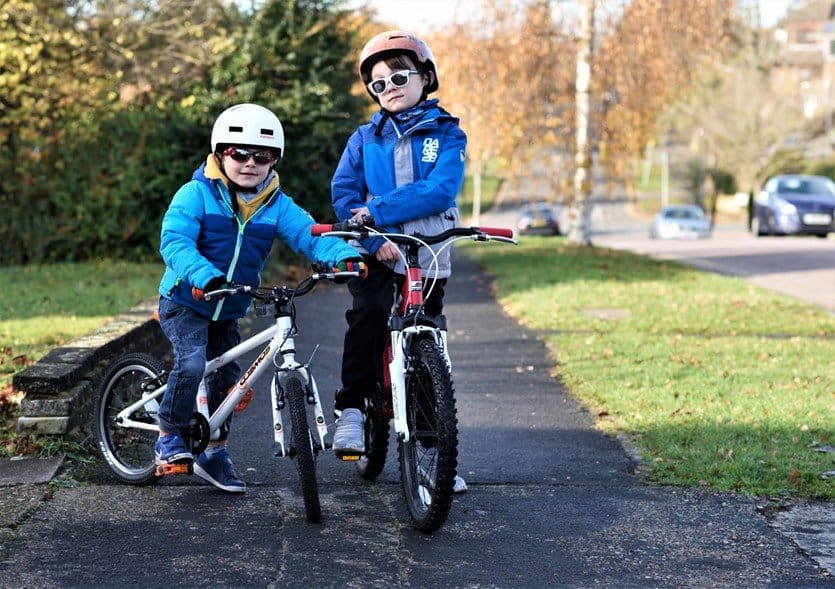
Your child may love the cold and need no persuasion and my children play all the time outdoors if they can. Other children avoid the cold like the plague and some may not want to get off the screens. So, below are some ways to help your child get off the screens and to their local outdoor play facility.
Kit the children out in warm clothing and wrap them up against the cold
It’s important to keep your body temperature as level as possible all the time, despite changes in external temperature. What I mean by this is, that if you’re inside, you take your warm clothes off, so you don’t sweat, and if you’re outside, you wrap up, so your body stays warm. If you are running outside and heating, it’s better to take off a layer, so you don’t sweat, because once you cool down in the cold, that’s when the cold can hit you, and you may get sick.
TOG24* stocks an impressive array of winter clothing, so parents don’t have to worry about whether their kids are keeping warm outside. Some of our favourites are:
Winter jackets
Kids winter jackets* should
Waterproof gloves
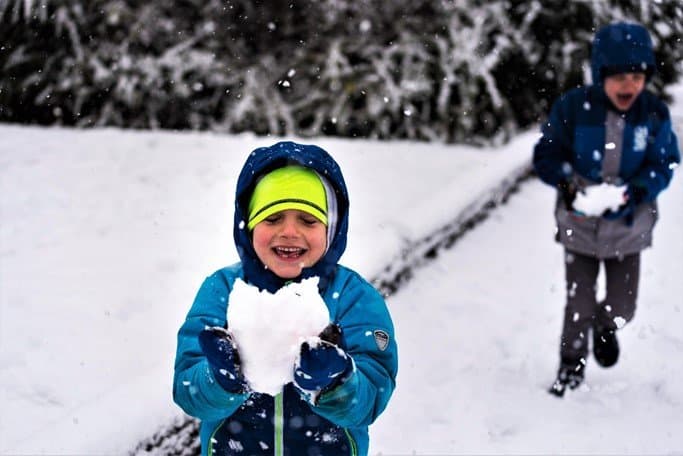
Waterproof gloves are great as they allow kids to enjoy the snow without their hands turning into ice cubes.
Winter Hats
I grew up being told that we lose forty to forty-five per cent of body heat from our head when this is, in fact, not true. The face, head and chest are more sensitive to changes in temperature than any other part of the body, which is why we feel colder if we don’t cover up our head. But in reality, we lose only ten per cent through the head. But winter hats make you feel warm and cosy, so I always invest in them for the kids.
Suitable boots and shoes
Make sure kids are wearing proper boots and shoes that keep them safe, whatever the terrain. Snow boots are great for icy/snowy/sleet-covered ground and Wellington boots/waterproof shoes are useful for wet slippery floors.
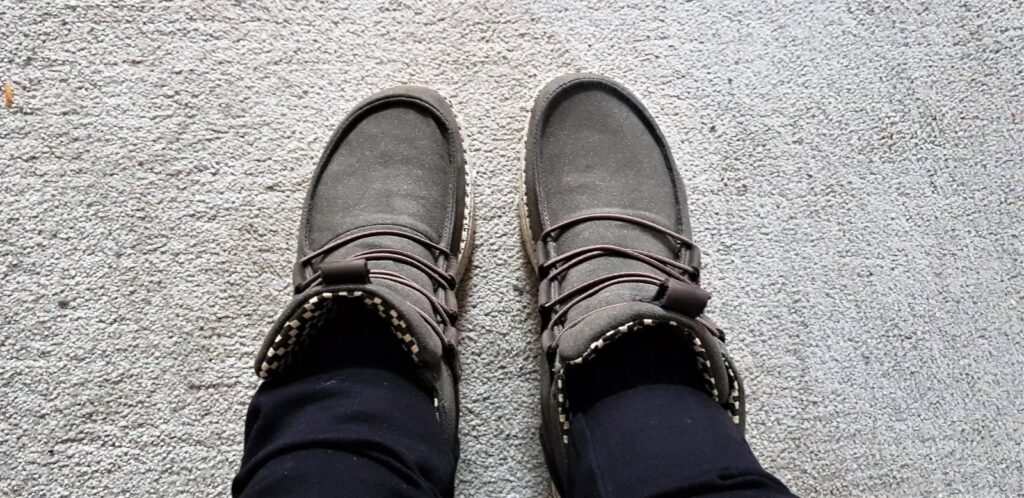
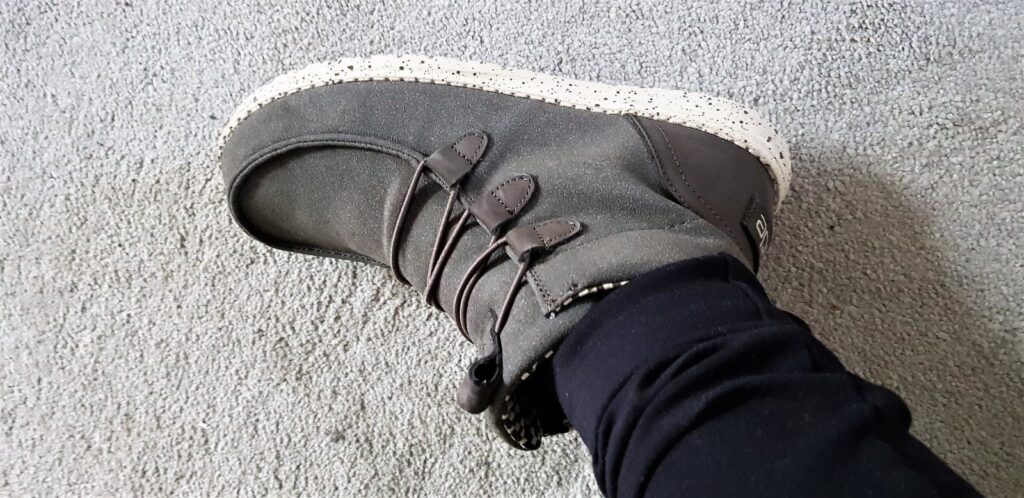
Make sure you’re also kitted out properly. I normally wear very comfortable slip-on boots because they are so easy to put on, which is perfect when you’re carrying a baby, and they fare well against harsh terrain. I would definitely recommend getting a pair of these boots to keep up with the kids!

Keep kids fed and hydrated
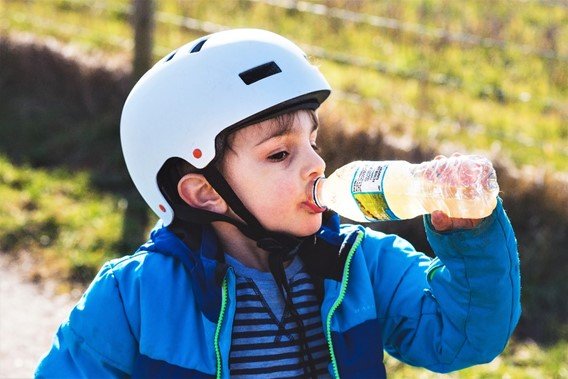
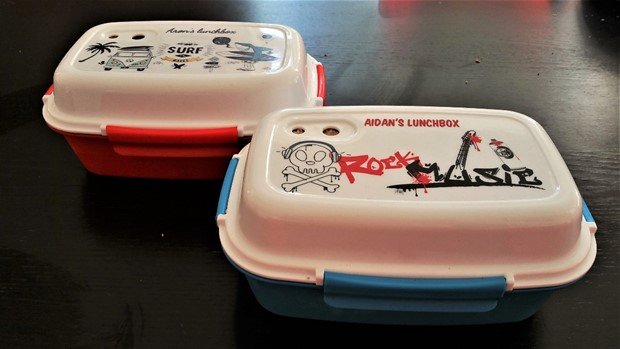
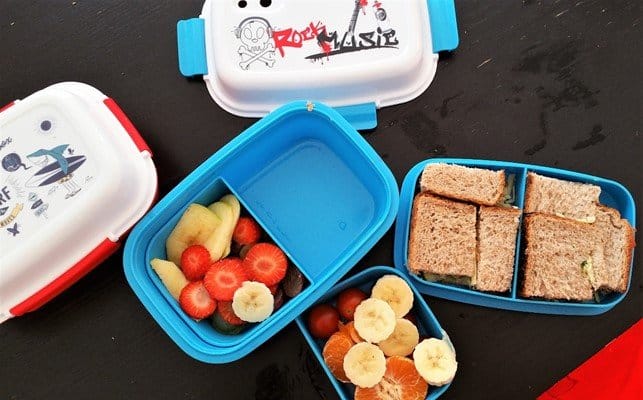
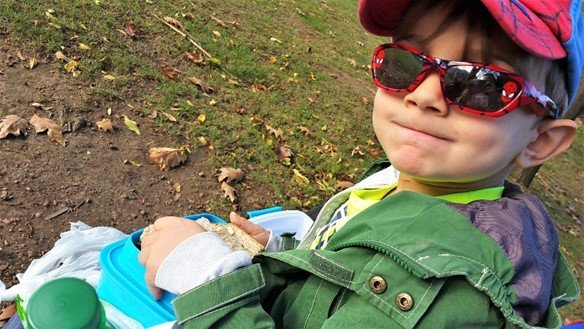
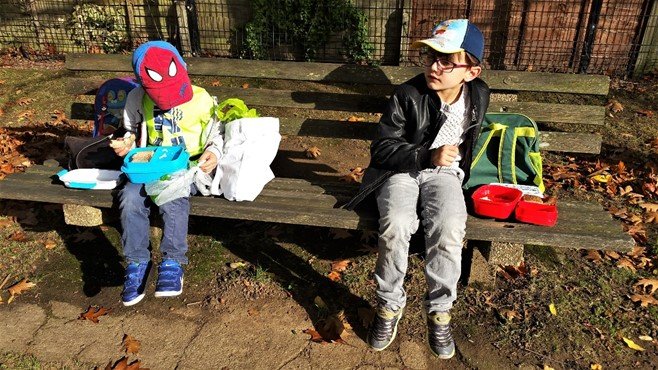
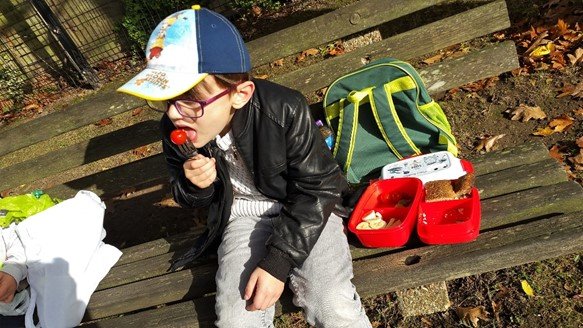
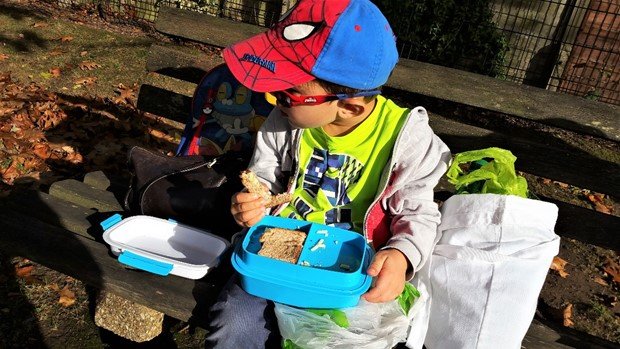
Kids will run around and burn energy, which gets depleted fast, so feeding them the right amount of energy food and drink will keep them going for longer. I bought these great personalised lunch boxes* from Petit-Fernand, which are perfect for little outings in the cold. Each lunchbox comes with a main container, two removable containers, an ice pack (perfect for summer lunches), a bento layer, and a lid. I fill up the lunchboxes with lots of goodness, and when the kids need a break, they can enjoy their feast!
Other outdoor games for kids
There are lots of outdoor games kids will thoroughly enjoy. Try the below as well, whatever the weather.
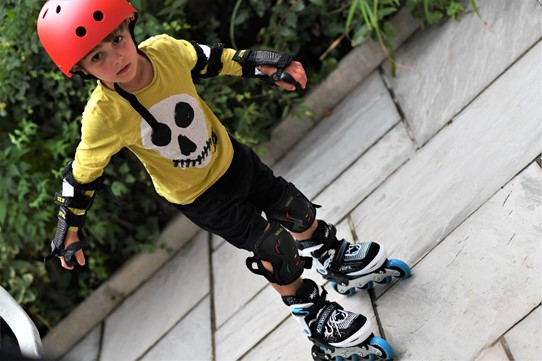
Try a new outdoor sport like rollerblading
co.uk
Rollerblading is an excellent sport for kids, especially when travelling to the park because it promotes confidence, uber fitness (you burn a ton of calories when rollerblading), problem-solving skills, balance, socialising and
For full protection, we bought the whole protective gear set from skates
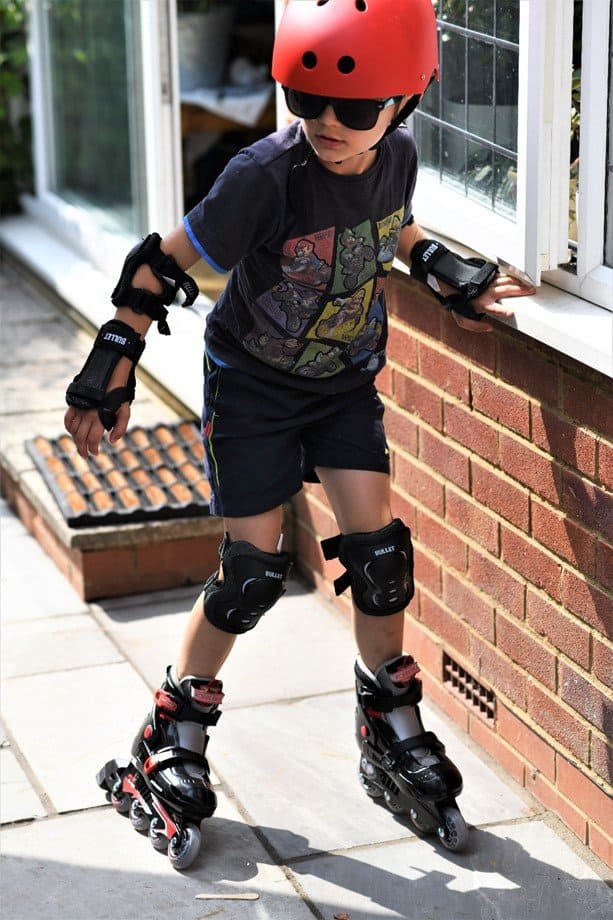
co.uk
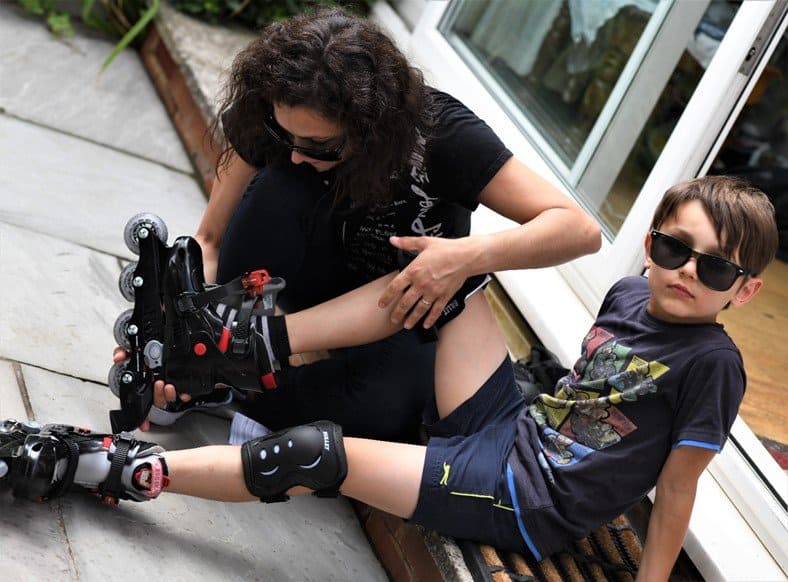
Check out the video below of skates.co.uk’s gear in action and when my boys rollerblade for the very first time!
Take the kids sledging in the park if it’s snowing!
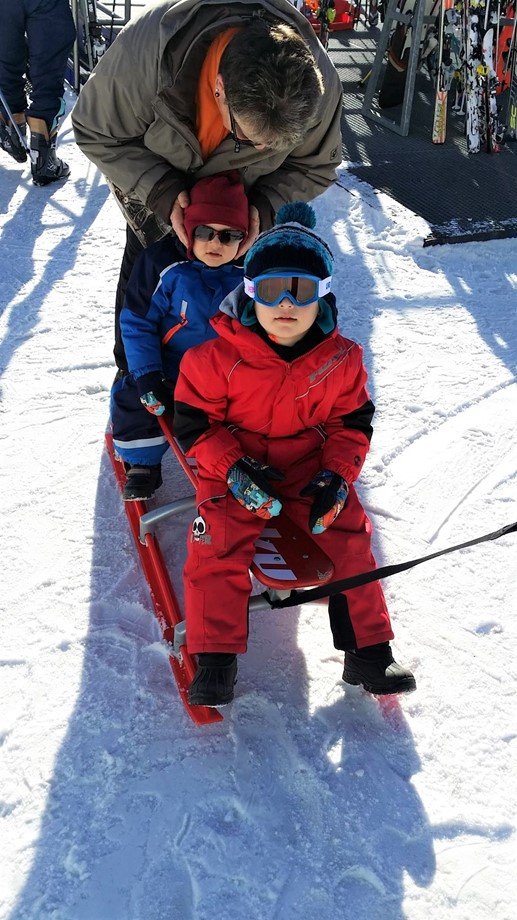
The first time I encountered doing any sport in the snow was when we prepped ourselves in ski clothing from
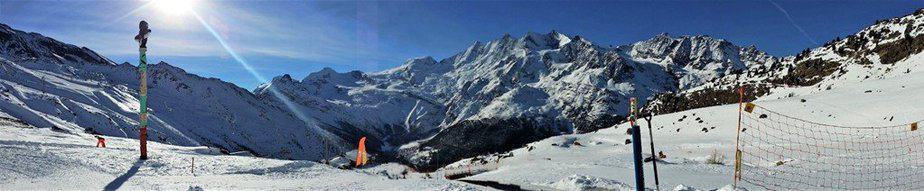
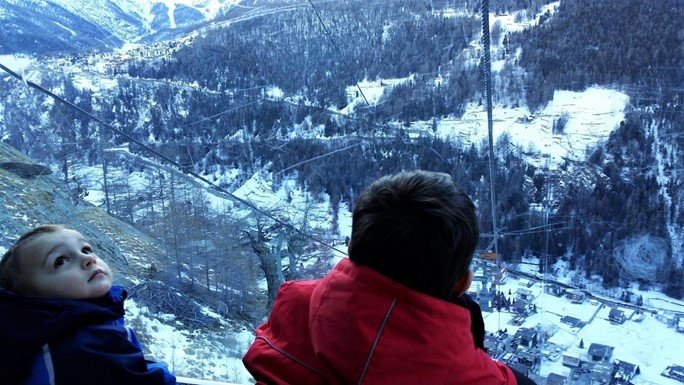
Now whenever it snows, we take the boys to the park and go sledging. You will have so much fun!
Walk as much as you can
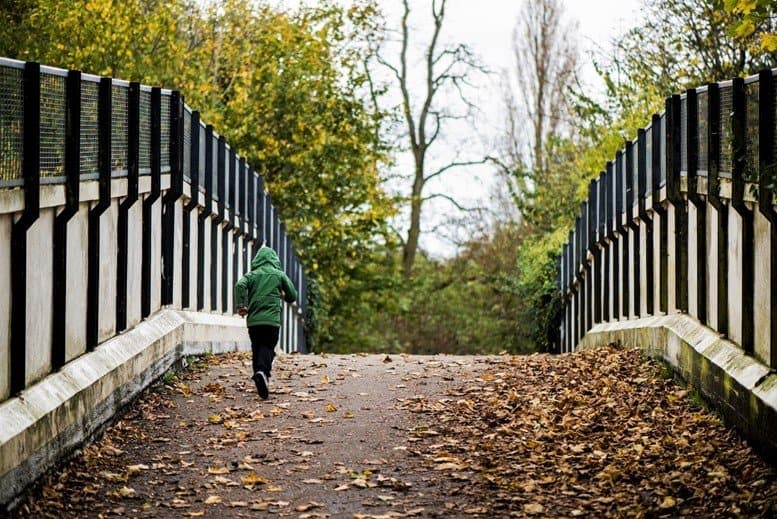
If a journey takes less than thirty minutes to get to, we walk and avoid the car as much as possible. Thanks to my youngest, who built up his leg muscles during nursery, our family embarked upon 10k walks that involved lots of beautiful sightseeing on the way.
We pack some snacks and drinks and take plenty of breaks, so the boys have enough energy to return home. By the end of the walk, we all felt nicely tired and happy because we got in plenty of fresh air during our exercise. It’s so cleansing for the soul, and it’s such a great way to teach the kids how to exercise for fun – it’s not always about going to the gym, but utilising nature itself to help you exercise and get fit and healthy!
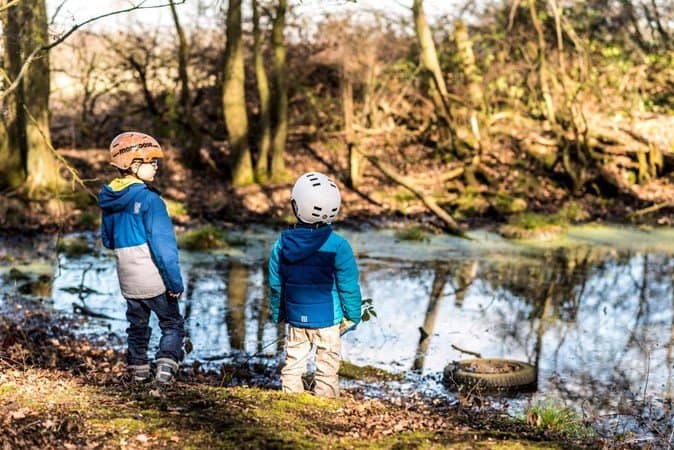
Go for long bike rides
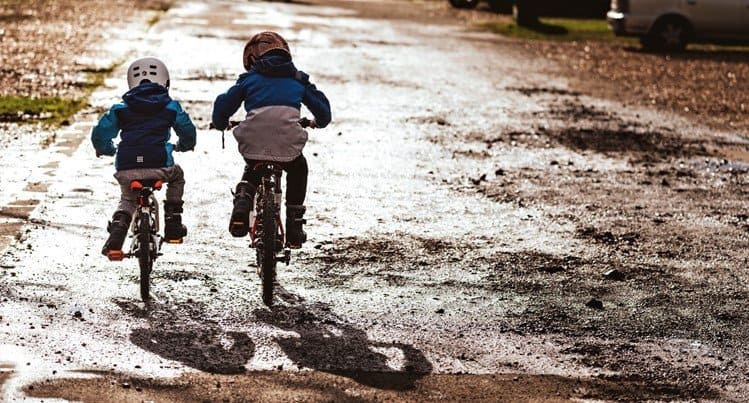
My boys in their time have completed
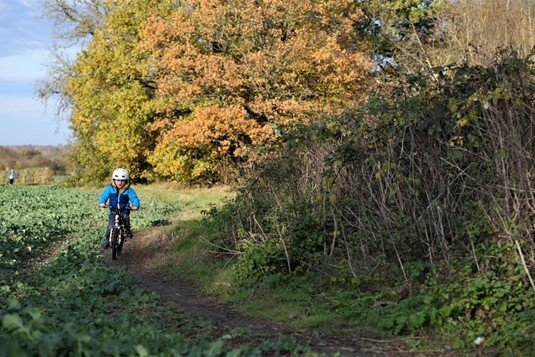
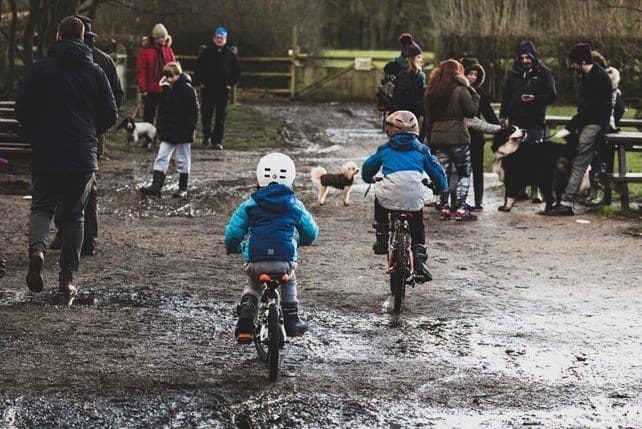
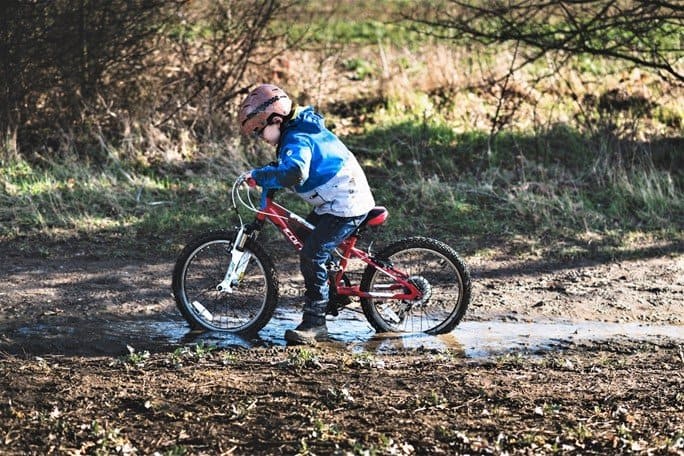
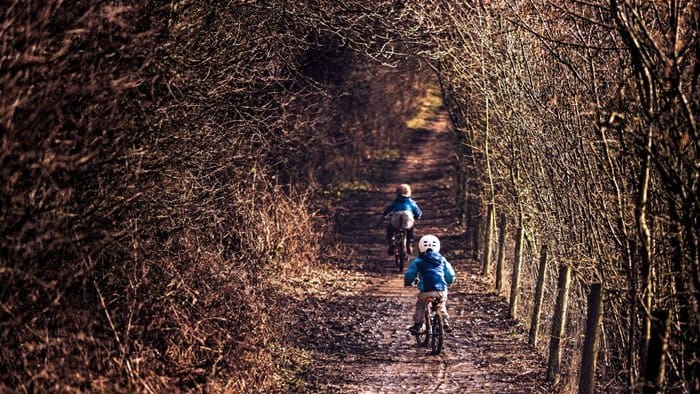
If all else fails and you can’t get to a park, don’t give up. Use your back garden!
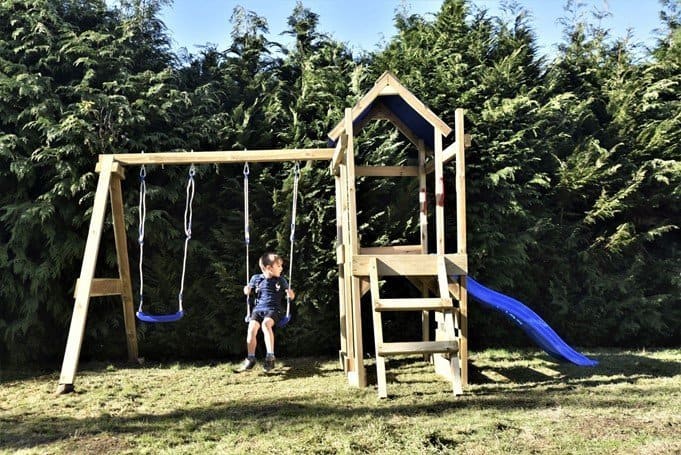
We want the kids outside as much as possible, not stuck indoors during the cold. So, if you can’t get to your park or playground, then building a climbing frame in your back garden if you have the spaces means that the kids have the perfect excuse to invite their friends over for a great time in the backyard. The image above of the climbing frame is from manomano.co.uk* and was very tricky to build, so we used professionals from Crawfords Garden Maintenance to build the climbing frame for us. You can see them in action making the climbing frame in the video below:
Buy some goalposts for your back garden and encourage kids to play football with friends.
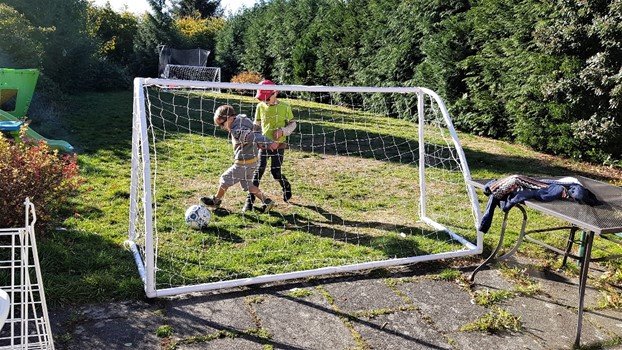
The boys are obsessed with football, so we bought some junior football goalposts from manomano.co.uk, which have been used every day since – definitely a worthy investment for the back garden! Again, a little tricky to build, but we got there with no professionals!
After school, if there aren’t any extracurricular activities, the boys head straight to their local park/playground or in the garden after they’ve had their snacks and play to their heart’s content until dinner time. This is how life for kids should be. They should never be indoors!
Video of my kids exercising outside
Are there any disadvantages of outdoor games?
Other questions asked were:
- Are there any disadvantages of children playing outdoors?
- Are there any disadvantages of outdoor games?
Of course, with everything, there are some disadvantages of outdoor play, like coming into contact with children who are unwell and being rundown enough to catch the bugs around. However, the advantages of outdoor play far exceed the disadvantages of outdoor games. One of the major benefits of outdoor games for students is they can focus more on their studies, so it works for their academic development as well as their spiritual development.
Kids need outdoor play, not only for exercise but for developing their minds too. Without outdoor play facilities, we are looking at a real pandemic on our hands of obese children who suffer from anxiety, depression, and other disorders. Screens are displacing all these natural activities and the result is our children will have little imagination, cannot foster relationships with others and won’t learn to keep a job because they don’t know how to fight for what they believe in. Balance is key and making sure kids are getting a balance of activities means they can still enjoy their games on the screen, but not if screens take over their lives.
If we can show the government that enjoying our parks and playgrounds means that our kids can grow in every way, we may save our parks – because once they’re gone, they’re gone forever. And don’t forget the benefits of outdoor games for adults are just as fruitful, so get involved with your kids and get outside!
Watch the video that talks about our winter tale and the situation we are in with our lack of parks and playgrounds now.
FAQ
How does outdoor play help a child’s development
Other questions asked were:
- How does outdoor play help a child’s physical development?
- How does outdoor play help development?
- Benefit – cooperative outdoor play can help children learn social skills
- Benefit – outdoor play can reduce a child’s risk of becoming nearsighted
What is the importance of outdoor play for infants?
Other questions asked were:
- What is the importance of playing outdoor games?
- Where is the joy of outdoor play?
- Are there any benefits to kindergarten outdoor play?
- What are the effects of playing outdoor games?
- What are benefits of outdoor games?
- What are benefits of outdoor activities?
- What are the benefits of outdoor recreational games?
- What are the benefits of indoor and outdoor games?
- What are the benefits of playing outdoors for children?
- What are the benefits of outdoor games?
- Why do we play outdoor games?
- What are outdoor games?
- What is the importance of outdoor games for kids?
- What are the benefits for kids playing outdoors?
- What are the benefits of games and sports?
- What are the benefits of doing things outdoors?
- What is recreation and why is it important?
- What is the difference between outdoor activities and indoor activities?
- What can we gain from outdoor sports?
Please see the above benefits of outdoor play. Lots of tips above!
How can I increase the interest of outdoor games rather than mobile gaming?
Other questions asked were:
- Which is better outdoor or computer mobiles games for today’s generation?
Increasing interest in outdoor games over mobile gaming can be a bit of a challenge, but it’s definitely doable with the right approach. Here are a few tips:
- Make it Fun: Outdoor games need to be fun! Try to find activities that match your children’s interests. If they like adventure, consider a treasure hunt or a nature scavenger hunt. If they’re competitive, how about a friendly match of football or cricket?
- Involve Their Friends: Often, kids are more inclined to play outside if their friends are involved. Organising group activities or inviting their mates over for a game can make outdoor play more appealing.
- Set a Good Example: If you’re enthusiastic about going outside, chances are they will be too. Maybe you could all go for a bike ride, or you could show them some of the games you used to play when you were young.
- Limit Screen Time: Setting limits on screen time can naturally encourage children to find other ways to entertain themselves, like playing outside. You can encourage kids to limit screen time by using a reward chart that earns them time to play or rewards to enhance their playing.
- Create a Routine: Making outdoor play a part of the daily routine can help. Maybe every day after school or before dinner could be outdoor time.
- Use Technology as a Tool: You could use technology to your advantage. There are apps that encourage outdoor exploration or you could use fitness trackers to set challenges for them.
- Provide the Right Gear: Make sure they have what they need to play outside comfortably, like proper shoes, a football, or a frisbee.
- Offer Rewards: Initially, you could offer small rewards for spending time outdoors. This could be extra screen time or a treat of their choice.
Remember, the key is to make outdoor play as engaging and enjoyable as possible. Once they start having fun outside, they might naturally start to prefer it over mobile gaming.
What types of outdoor activities are popular?
I’ve got a list of activities which are very popular above. Football and going to the park are two favourites!
References – The benefits of outdoor play
Upon research on outdoor play for early years, I found the following resources
*Photos by Tomas Preston Photography*